New Delhi: India’s cultural landscape is shaped by monuments, antiquities, manuscripts and historic sites that together reflect thousands of years of civilisational evolution. These structures and objects are not merely remnants of the past; they represent collective memory, inherited knowledge and a sense of continuity that binds generations.

Recognising this, the past decade has seen a renewed emphasis on strengthening the systems that safeguard India’s cultural assets. Heritage conservation has been increasingly integrated with tourism development, local livelihoods, and cultural diplomacy. This shift reflects a broader recognition of heritage as both a developmental asset and a source of India’s soft power on the global stage.
India’s heritage conservation is guided by a legislative and institutional framework that brings together dedicated organisations, legal safeguards, and policy mechanisms to ensure systematic protection and management of cultural assets.
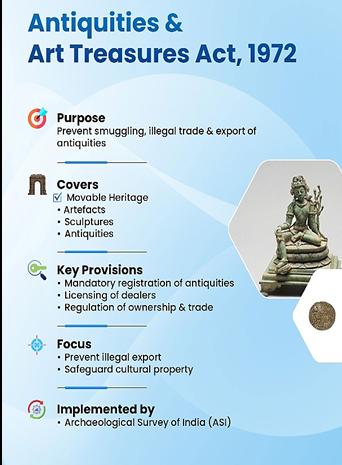
India’s approach to monument conservation has evolved into a structured and continuous process, combining institutional mechanisms, legal safeguards, and participatory models. Article 49 of the Constitution places a duty on the State to protect monuments, places, and objects of artistic or historic interest declared to be of national importance. This provision forms the constitutional basis for legislative measures such as the Ancient Monuments and Archaeological Sites and Remains Act, 1958, and guides the State in ensuring preservation of cultural heritage. The Seventh Schedule of the Constitution provides a clear division of responsibilities between the Centre and the States in matters of heritage protection.
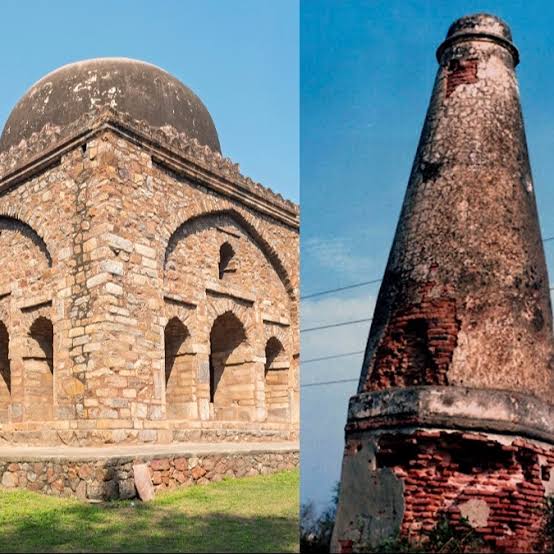
Union List (Entry 67): Monuments and archaeological sites of national importance fall under the jurisdiction of the Central Government.
State List (Entry 12): Monuments not declared of national importance are the responsibility of State Governments.
This division ensures coordinated governance and management of heritage across different levels of government. Article 51A(f) of the Constitution enshrines the fundamental duty of every citizen to value and preserve the rich heritage of India’s composite culture. This provision reinforces that heritage conservation is not only a State responsibility but also a collective societal obligation, encouraging public participation in preservation efforts.
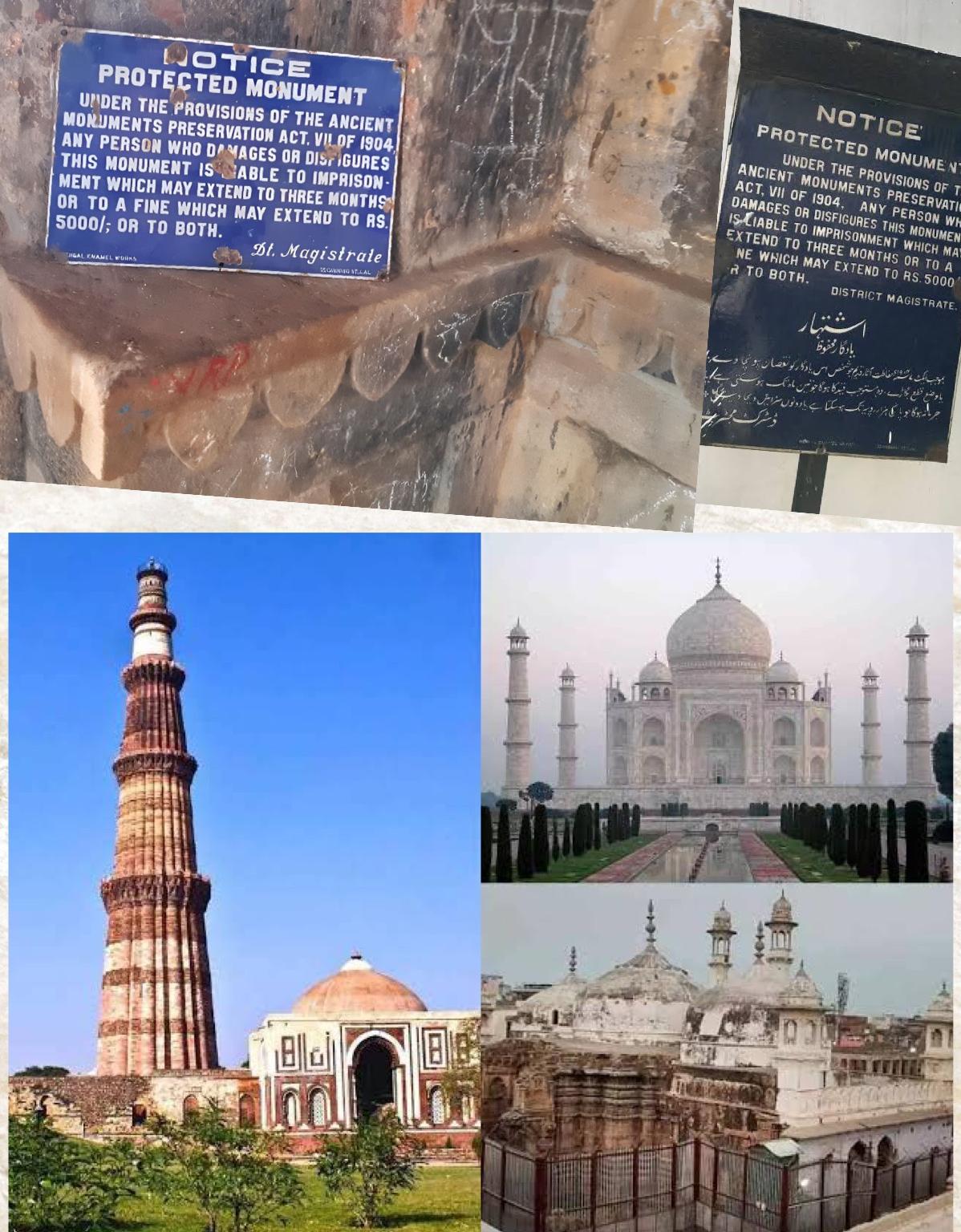
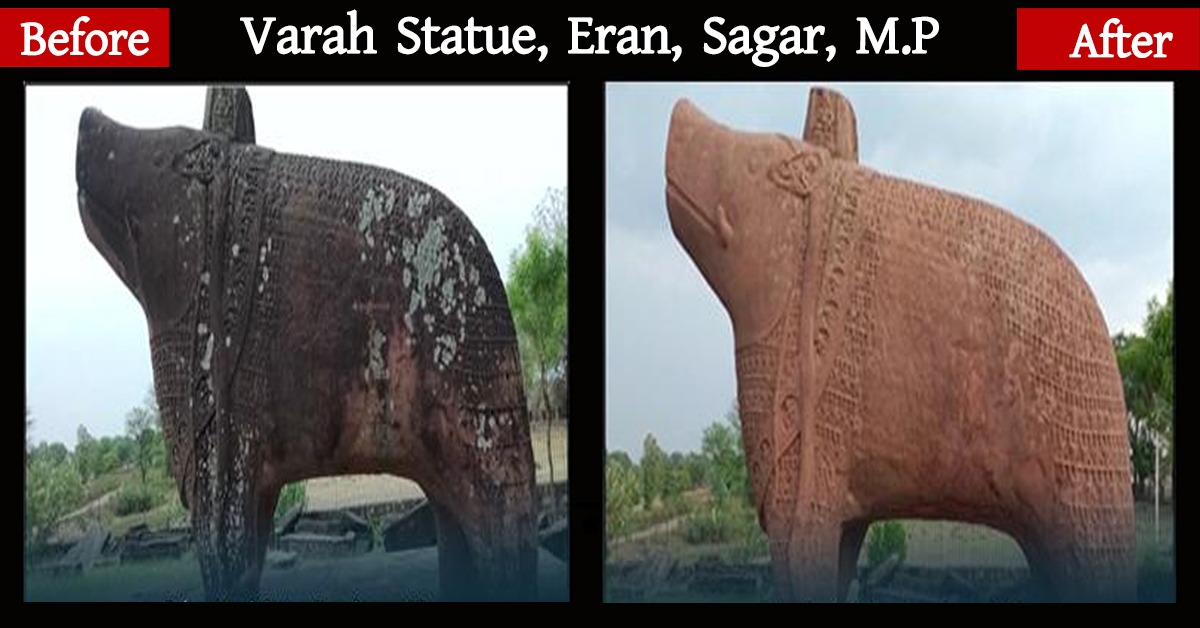
It is a Government of India framework that guides the scientific preservation and management of monuments of national importance. Implemented primarily by the Archaeological Survey of India under the provisions of the Ancient Monuments and Archaeological Sites and Remains (AMASR) Act, 1958, the policy establishes principles for maintaining the authenticity, integrity, and longevity of heritage structures. It emphasises the use of scientific conservation methods, minimal intervention, and the integration of traditional materials and skills with modern techniques. The policy also recognises conservation as a continuous process, supported by documentation, research, capacity building, and community participation, while balancing the need for protection with public access and sustainable use of heritage sites.