
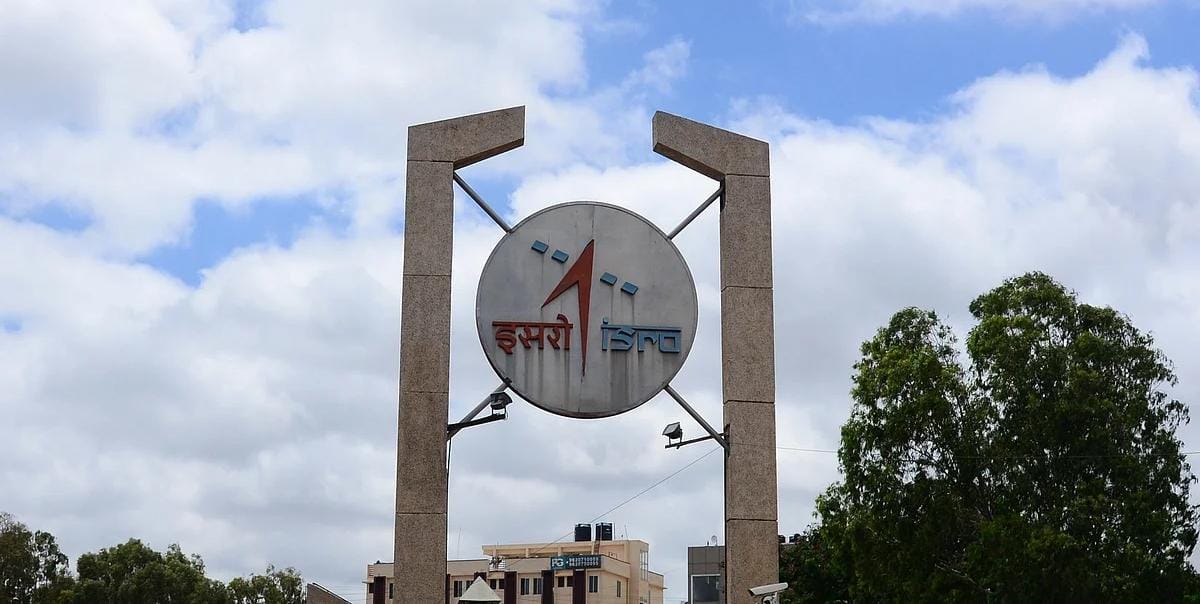
India has now emerged as a prominent name in space research. ISRO is engaged in multiple projects, ranging from the human spaceflight programme ‘Gaganyaan’ to the launch of advanced satellites.
However, amidst all this, the growing trend of experienced scientists resigning is a cause for concern for the Centre. At least 100 space scientists have stepped down from their roles in the last few months. The Department of Space under the Central Government has taken note of the situation and swung into action; an internal memorandum has already been issued to retain the talent and excellence of one of the country’s most important scientific institutions.

What directive has the DoS issued?
We all know that ISRO is currently fast-tracking work on Gaganyaan and other critical national projects, it has been clearly stated that applications for voluntary retirement or resignation from scientists involved in such assignments can no longer be accepted as part of routine administrative procedures. In other words, the directors of various ISRO centres will no longer have the authority to approve such requests; the final decision regarding this matter will be taken by the Department of Space. This directive is believed to have been issued to ensure there is no shortage of manpower for critical and strategic research missions.
The question remains: why is there a growing trend of scientists resigning from ISRO? While specific details are not available, it is believed that the opening up of the space sector to private startups has led numerous space technology companies to express interest in recruiting ISRO scientists.Many believe that simply imposing strict rules will not suffice to halt this trend of voluntary retirement or resignation among scientists; the Department of Space must also consider improvements in other broader organizational aspects.