
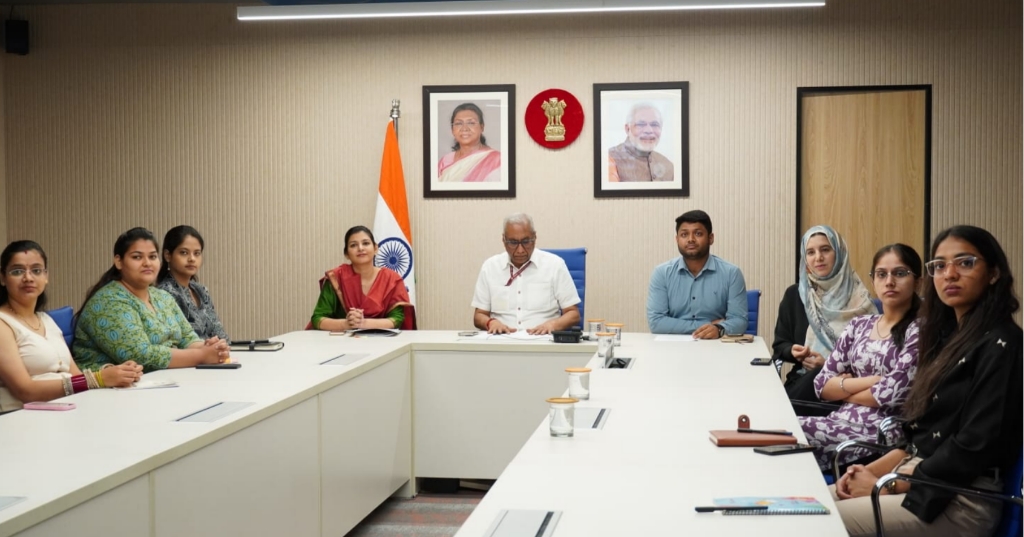
New Delhi: In a major step towards building a robust innovation ecosystem in India’s frontier regions, Atal Innovation Mission (AIM), NITI Aayog, in collaboration with the School Education Department, Government of Jammu & Kashmir, and the University of Kashmir, today launched the application process for establishment of 500 new Atal Tinkering Labs (ATLs) across the Union Territory of Jammu and Kashmir.
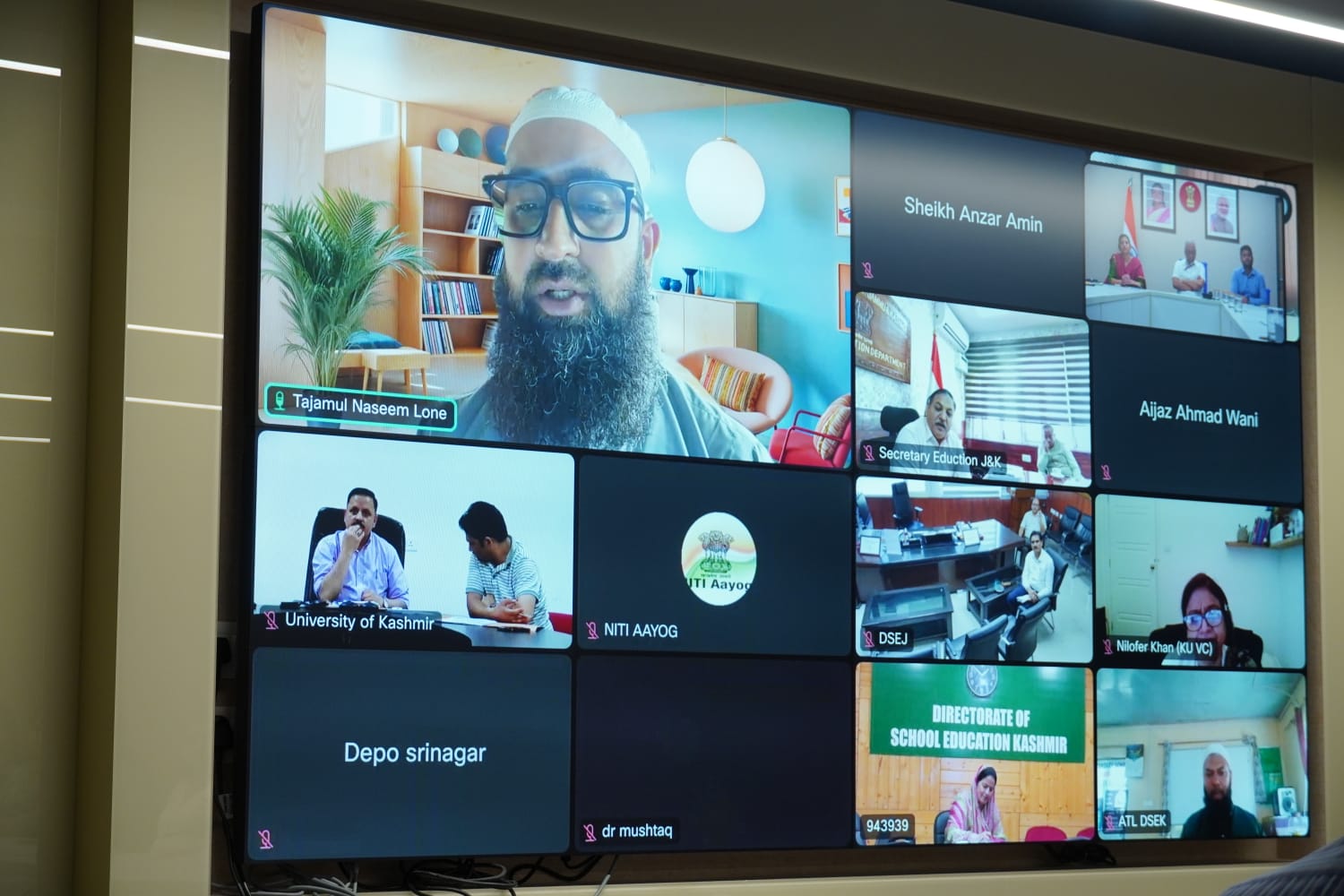
These 500 new ATLs are the key component of AIM’s broader Frontier Region Program, which seeks to create customized and inclusive innovation ecosystems in geographically challenging regions through deep institutional convergence and localized implementation models. By strengthening linkages between schools, universities, industry, and innovation institutions, the program aims to nurture a new generation of young innovators and change makers from Jammu & Kashmir while ensuring equitable access to innovation opportunities across districts.
India and Norway Deepen Strategic Science & Innovation Partnership through new Bilateral Agreements
The initiative also aims at transforming Jammu & Kashmir into a leading model for frontier-region innovation by expanding access to emerging technologies, design thinking, and problem-solving education among school students, particularly in remote, border, hilly, and underserved geographies.
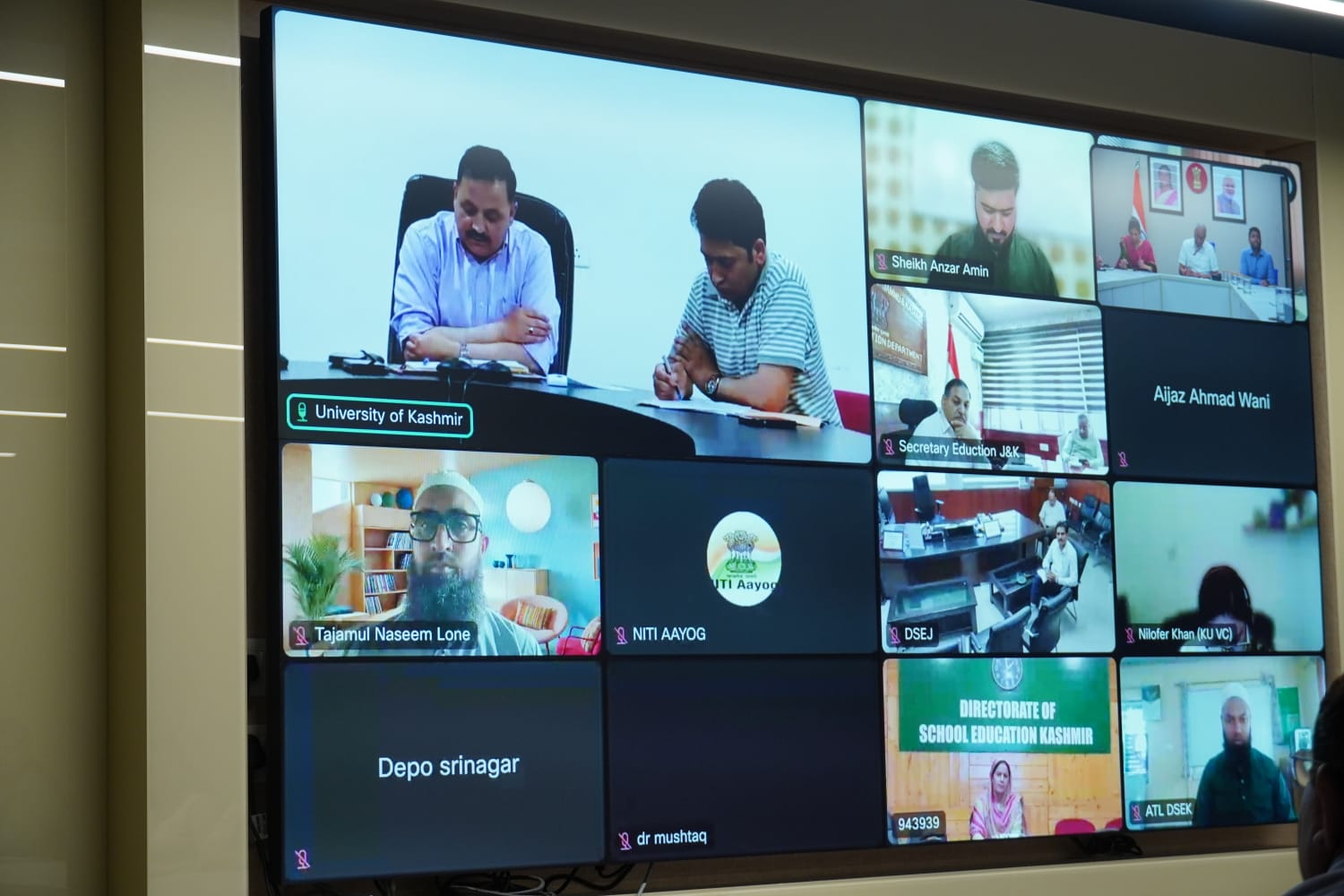
The application launch marks a significant milestone in operationalizing the vision announced during the launch of the ATL Sarthi and Frontier Region Program in September 2025, where the University of Kashmir was designated as the nodal mentoring institution for supporting and strengthening the ATL ecosystem across the Union Territory.
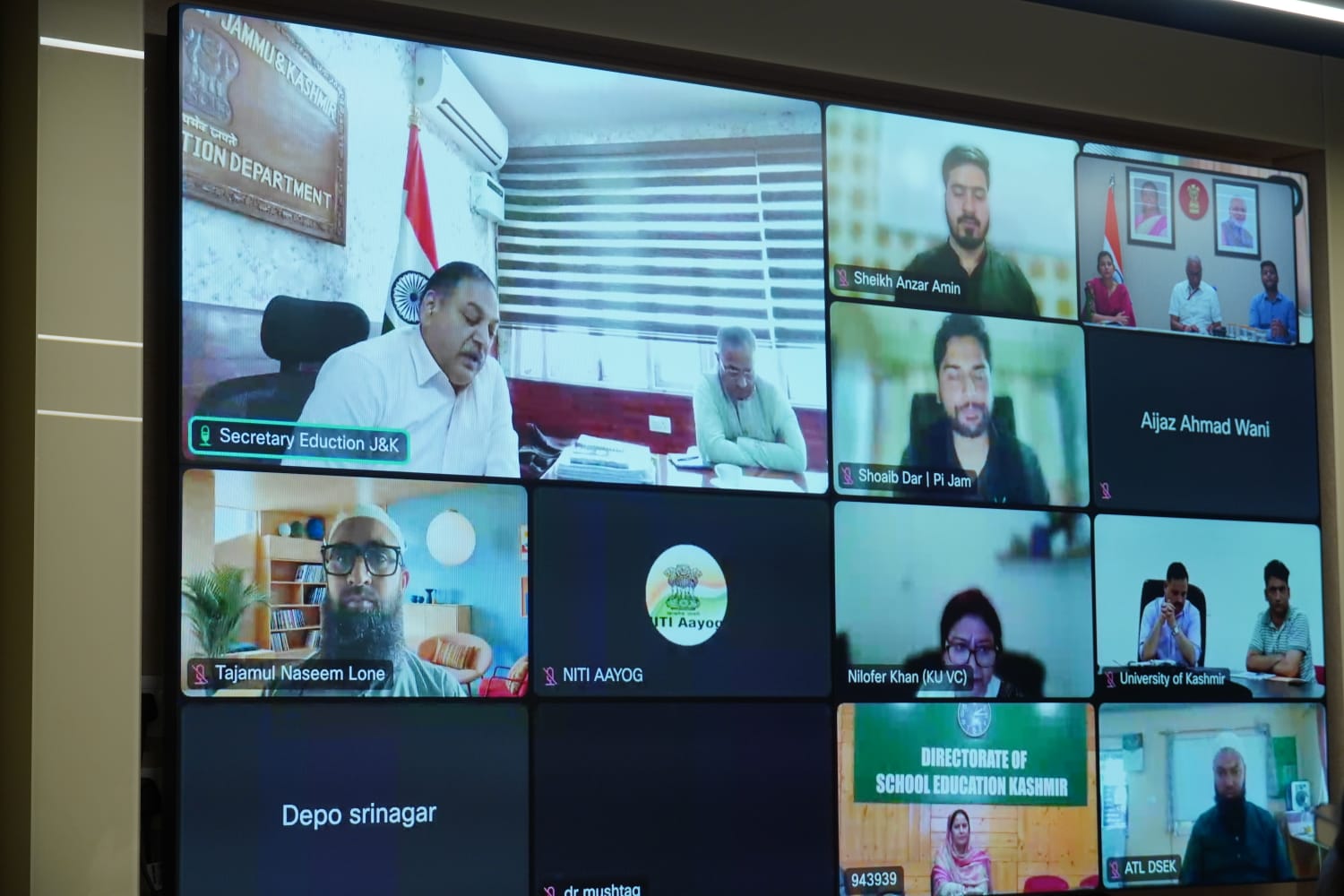
As part of the rollout strategy, AIM, in close coordination with the School Education Department and the University of Kashmir, has developed a customized application framework specifically tailored to the geographical and institutional realities of Jammu & Kashmir. The application framework incorporates several contextual modifications including inclusion of diverse school categories such as Government, Private, and Aided, Kendriya Vidyalayas, Army Goodwill schools, and Jawahar Navodaya Vidyalayas, relaxation in criteria related to school space and enrolment and special consideration for schools located in remote, border, hilly, and underserved regions.