New Delhi: Health functions both as a driver and an outcome of economic development, and the pharmaceutical industry occupies a unique position at this intersection. By ensuring the availability of essential medicines and vaccines, the industry plays a critical role in advancing public health outcomes and societal welfare, while concurrently generating employment, reinforcing supply-chain resilience, and contributing to broader socio-economic development. Over time, the Indian pharmaceutical industry has emerged as one of the world’s most distinctive and socially significant sectors, positioning India among the largest and most technologically advanced pharmaceutical producers globally.

India’s standing as the Pharmacy of the World is rooted in the unique combination of affordable pricing and assured quality, which has made Indian medicines widely preferred across global markets. Cost-efficient manufacturing, supported by a strong scientific workforce and scale, has enabled the consistent supply of essential drugs without compromising standards.
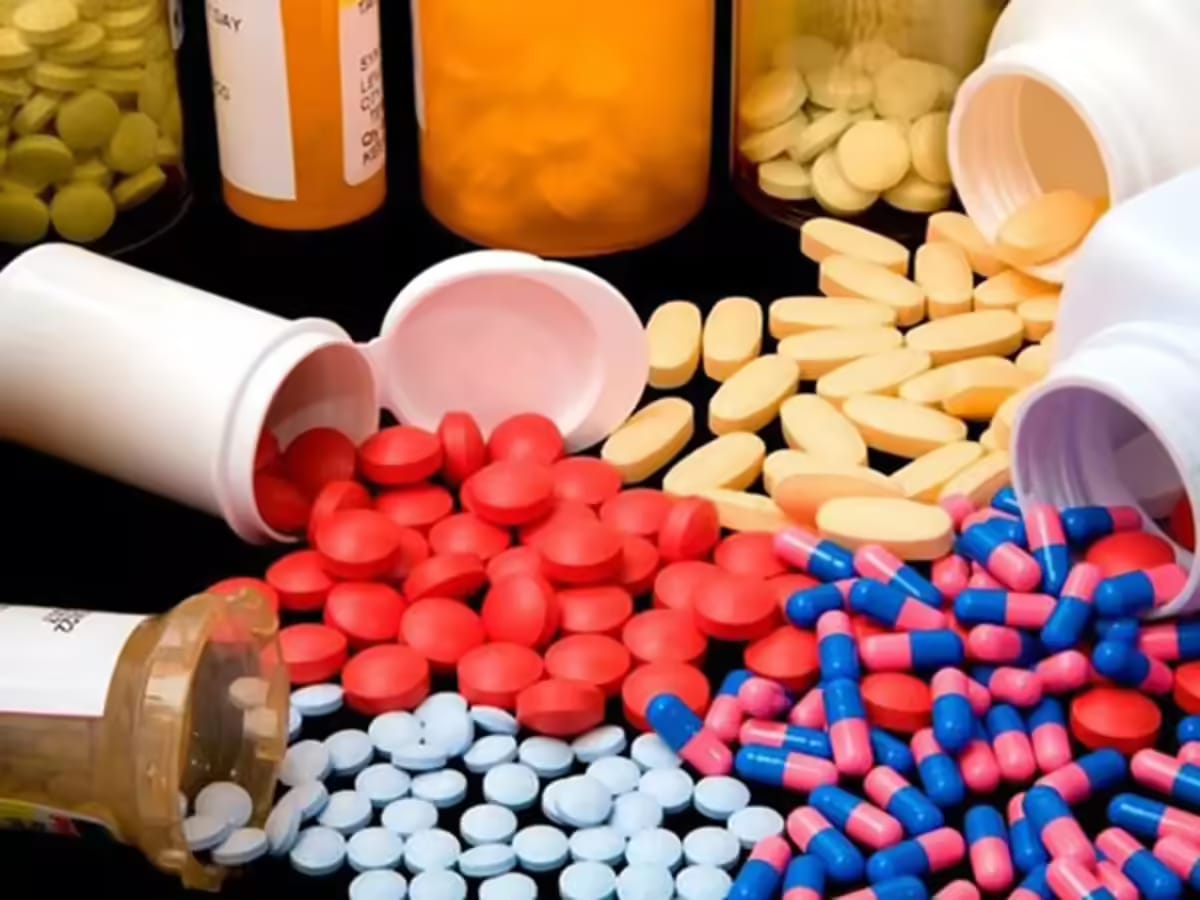
The Indian pharmaceutical industry ranks 3rd globally by volume and 11th by value, with more than 3,000 companies and 10,500 manufacturing units. The domestic pharmaceutical market, valued at USD 60 billion, is projected to reach USD 130 billion by 2030. As per Economic Survey 2025-26, in FY25, the sector’s annual turnover reached Rs. 4.72 lakh crore, with exports growing at a CAGR of 7 per cent over the last decade (FY15 to FY25). India is the largest global supplier of generic medicines, accounting for around 20 per cent of global supply, manufacturing about 60,000 generic brands across 60 therapeutic categories. By expanding access to affordable HIV treatment and emerging as a leading global supplier of cost-effective vaccines, the pharmaceutical industry continues to advance public health outcomes domestically and internationally while generating economic opportunities. India hosts the highest number of manufacturing plants approved by the United States Food and Drug Administration (USFDA) outside the United States of America, reinforcing international confidence in the safety and quality of Indian pharmaceuticals. There are about 500 active pharmaceutical ingredient (API) manufacturers, accounting for nearly 8 per cent of the global API industry.
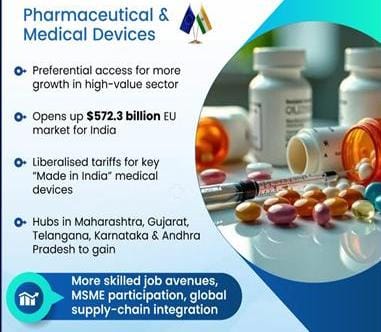
India is the global leader in the supply of Diphtheria, Tetanus, and Pertussis (DPT), Bacillus Calmette-Guerin (BCG), and measles vaccines. Indian manufacturers provide about 60 percent of vaccine supplies to the United Nations International Children’s Emergency Fund (UNICEF), meet 40-70 per cent of global demand for DPT and BCG vaccines, and account for 90 per cent of the World Health Organization’s (WHO) measles vaccine demand. This highlights the robustness of Indian pharmaceutical exports and their substantial integration within global healthcare supply networks. India’s pharmaceutical sector has expanded its global presence through rising exports and steady foreign investment, signalling strong international confidence in its manufacturing and regulatory standards. Collectively, these strengths position India as a dependable supplier of quality, affordable medicines and underpin its continued export-driven growth.