
State General Secretary, Spokesperson- AITC
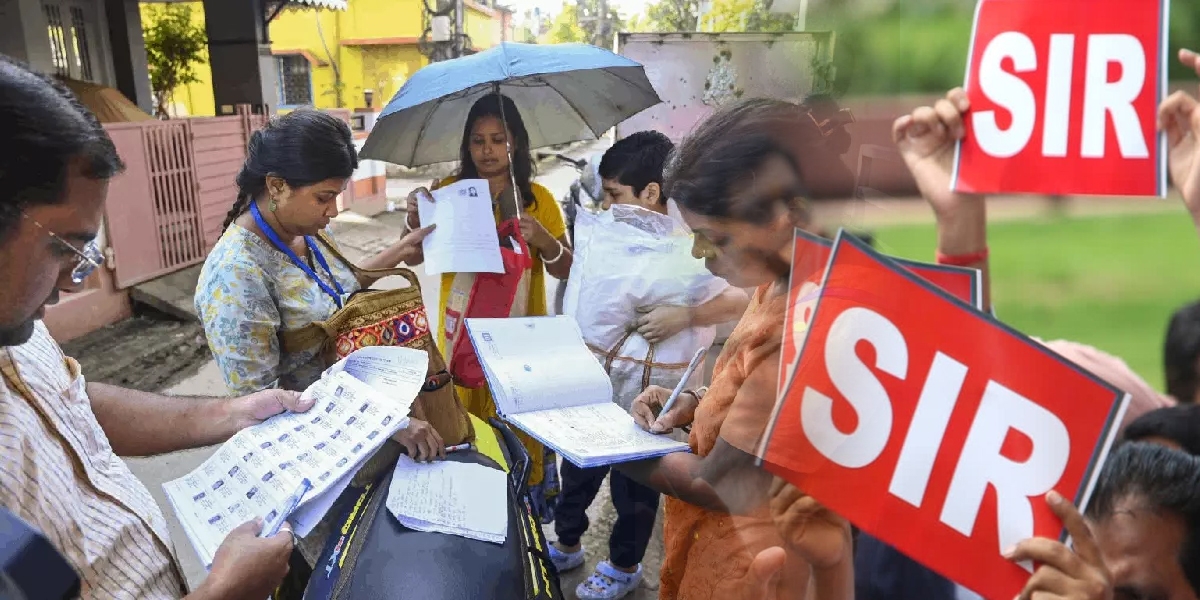
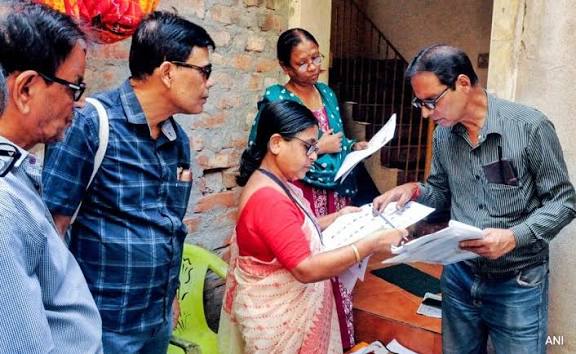
In several states across India, twelve in total, including West Bengal the Election Commission has introduced the Special Intensive Revision (SIR). Although projected as a special revision of electoral rolls, the process has triggered serious concerns regarding its legal foundation, ground-level execution and wider political consequences.To understand the origins of SIR, one must turn to Article 324 of the Constitution, which grants broad powers to the Election Commission. However, both the Constitution and repeated Supreme Court judgments make it clear that these powers are not absolute. Section 21 of the Representation of the People Act 1950 provides for general revision, special revision, and intensive/partly revision, but there is no explicit legal provision for a combined mechanism called “Special Intensive Revision.” In effect, SIR appears to be an administrative construct created by merging elements of different provisions, an approach that has become the root of the controversy. Beyond legal interpretation, the most pressing concern lies in the implementation of SIR. In states like Bihar, instances have emerged where EPIC voter cards issued by the Election Commission itself are being rejected as insufficient proof. Aadhaar faces a similar contradiction. While it is effectively mandatory for most aspects of life, its validity in the electoral process is questioned. For ordinary citizens, especially the poor, documents such as ration cards, job cards or Aadhaar are often the only identity proofs they possess. When even these are rendered uncertain, fear and exclusion become inevitable.
The gravest danger is the growing tendency to conflate electoral revision with citizenship determination. The Election Commission’s constitutional mandate is limited to preparing and revising voter lists, not deciding citizenship. Yet narratives such as “detect, delete, deport,” repeatedly articulated by the Union Home Ministry, dangerously blur these boundaries. This risks turning an administrative exercise into an instrument of intimidation.This threat is particularly severe for people from marginalised communities, like transgender persons, sex workers, orphans, persons with disabilities, and economically vulnerable citizens. Many transgender individuals are abandoned by their families and lack parental documentation. Some may have had a different gender identity in official records in 2002 or earlier, which no longer reflects their lived reality today. Their names, gender markers and even familial ties may have changed through legal and social transitions. If discrepancies arise during SIR, who will speak on their behalf? Who will protect their constitutional right to vote?Similarly, children raised in orphanages, people without parental records, sex workers living outside traditional family structures, and persons with disabilities who depend on caregivers are especially vulnerable to bureaucratic exclusion. For economically marginal citizens, repeated documentation demands can themselves become a barrier to participation.
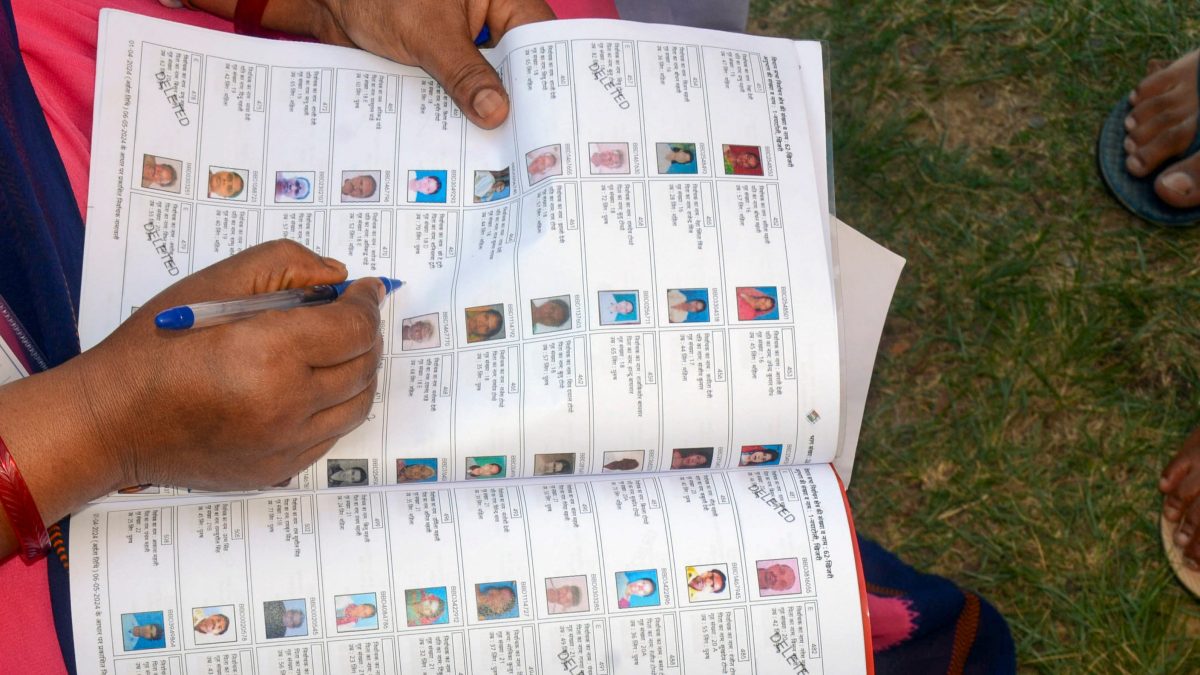
A democratic institution like the Election Commission must proactively safeguard these groups, not leave them exposed to administrative uncertainty and fear. Compounding these concerns is the prolonged suspension of the census, which has left the country without updated demographic data. In the absence of verified population statistics, the sudden rollout of SIR raises legitimate questions about intent and timing, including whether political considerations are influencing the process.
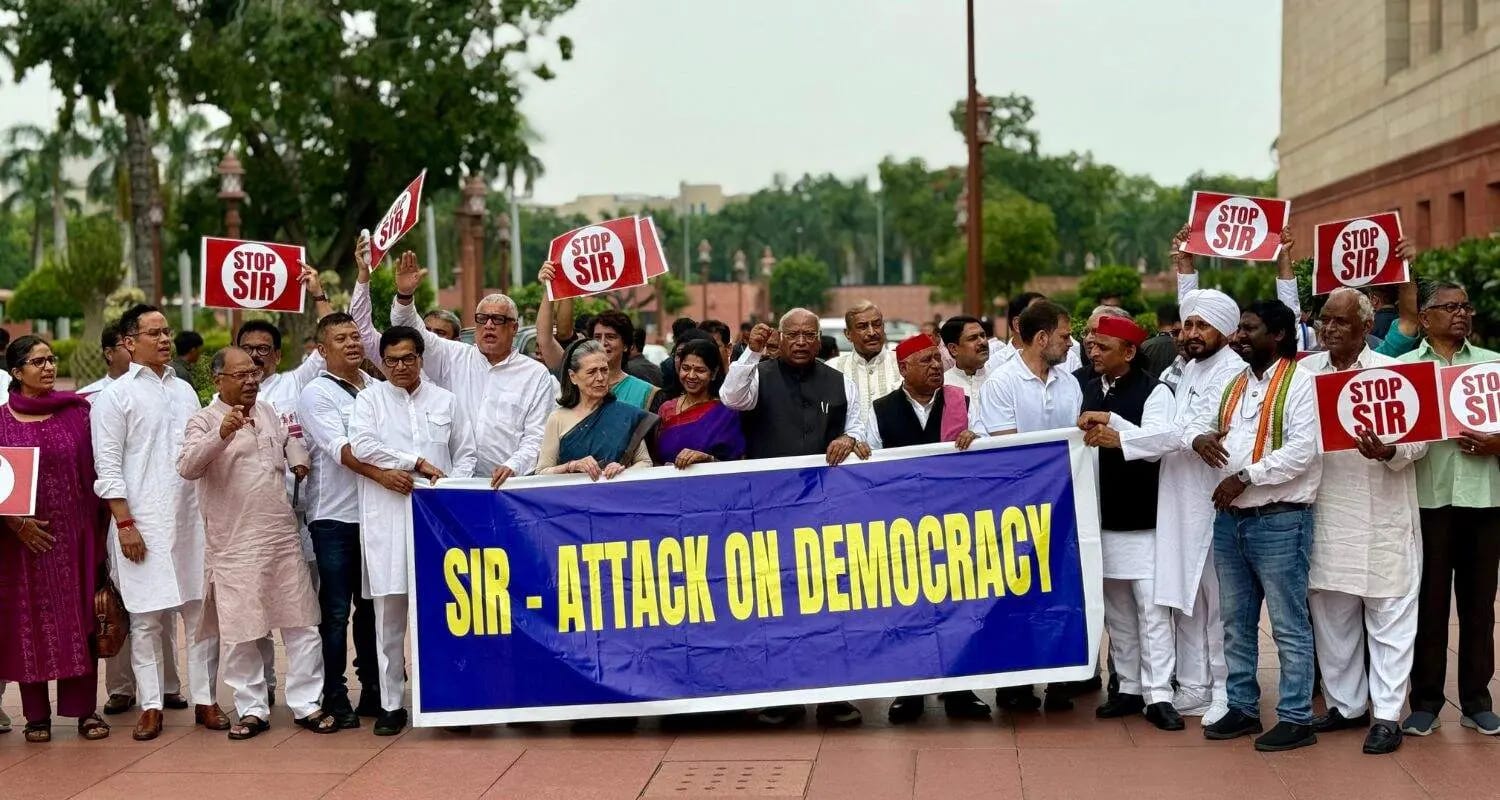
In a democracy, electoral rolls must be inclusive by design, ensuring participation rather than exclusion. The right to vote is a fundamental democratic right, not a privilege conditional upon perfect documentation. If SIR continues to generate fear, confusion and mistrust, especially among society’s most vulnerable— it risks undermining the very foundation of democratic participation. At this critical juncture, transparency, legality, non-discrimination, and institutional sensitivity are not optional; they are imperative to uphold the core values of Indian democracy.