
Writer, Social Worker
In India, mobility is often invisible—noticed only when it disappears. For millions of persons with locomotor disabilities, the inability to move independently is not simply a physical limitation; it is a daily negotiation with dignity, livelihood, and self-worth. While disability may be visible to the outside world, the emotional and psychological burden that accompanies dependence remains largely unacknowledged. It is within this gap between perception and lived reality that a quiet yet transformative initiative took shape.
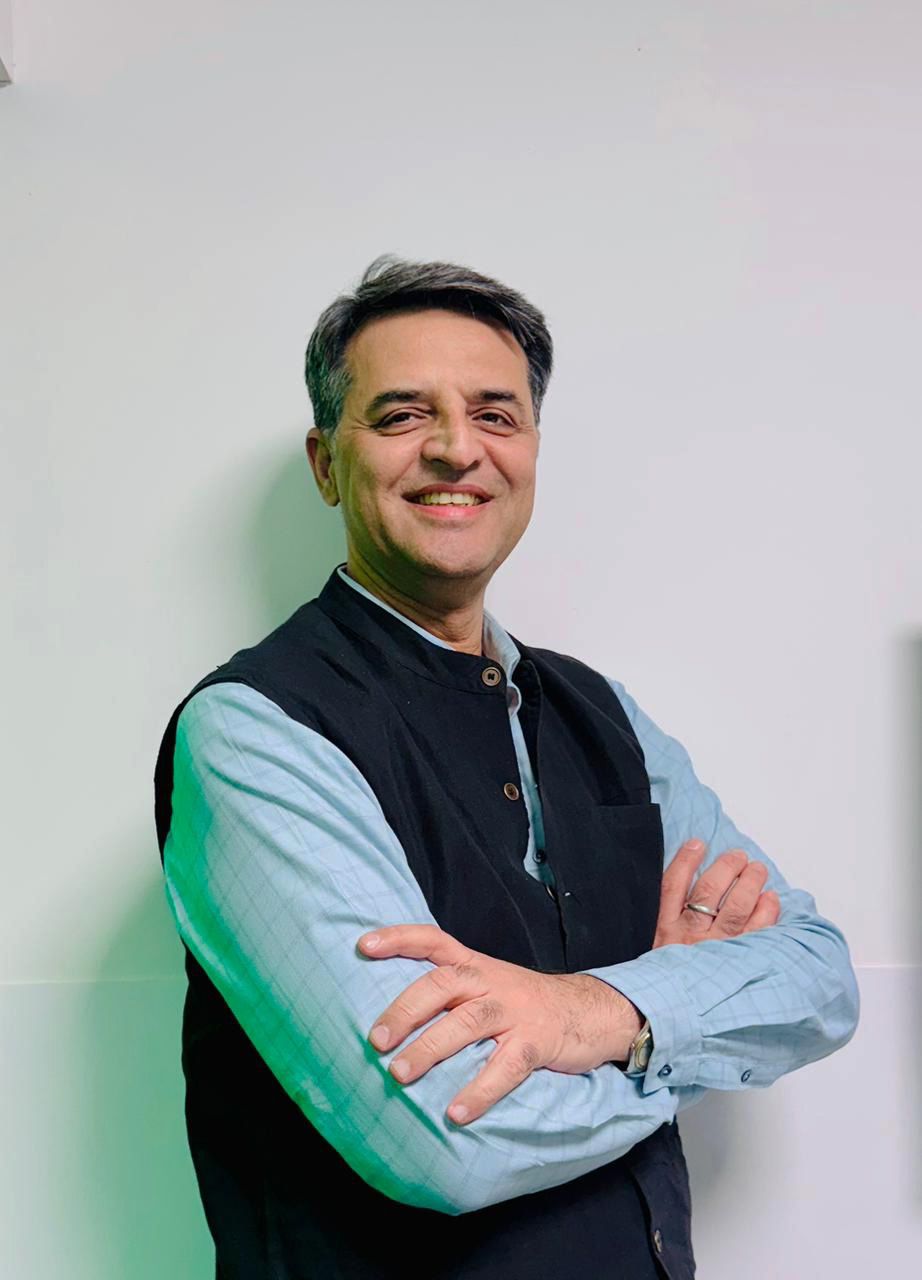
The idea did not originate from a policy document or a strategic planning room. It began with a human encounter. Mr. Sundeep Talwar, Philanthropic Advisor and CEO of Impact Guru Foundation India (IGF), recalls meeting Mahesh, a man with physical disability whose struggle was not defined by lack of ambition or capability, but by the absence of accessible mobility. Mahesh wanted to work, to earn independently, and to live with dignity. What held him back was not his disability alone, but the simple fact that moving freely outside his home was nearly impossible.
That interaction became a turning point. It revealed a reality that often remains unseen across India—thousands of persons with physical disabilities possess the desire and capacity to live independent lives, yet are confined by infrastructural neglect and unaffordable mobility solutions. Beyond the visible physical barriers lies a deeper, quieter crisis: emotional isolation, loss of confidence, and the mental distress that grows from constant dependence on others for even the most basic movement.
At that moment, the initiative moved beyond the idea of charity. It became clear that mobility is not merely about transportation; it is about restoring dignity, independence, and agency. When a person can move freely, they can work, socialise, and participate in society on their own terms. Mobility becomes a pathway to self-reliance.
The everyday challenges faced by persons with disabilities are both obvious and underestimated. Broken pavements, uneven roads, lack of ramps, inaccessible public transport, and unreliable last- mile connectivity make even short journeys exhausting. Yet beyond these physical obstacles lies another overlooked issue—the assumption that a single mobility solution can serve everyone. Traditional wheelchairs and mobility aids often follow a “one-size-fits-all” approach, ignoring differences in body type, posture, strength, and daily usage patterns. Over time, these mismatches cause discomfort, physical strain, and limited outdoor use, further restricting independence.
Many existing mobility solutions also compromise dignity. Modified scooters or retrofit devices often require users to transfer from their wheelchair, depend on caregivers, or manage unstable and unsafe mechanisms. These solutions are frequently unsuitable for regular outdoor travel and visually reinforce the idea that disability must always look temporary, fragile, or clinical.
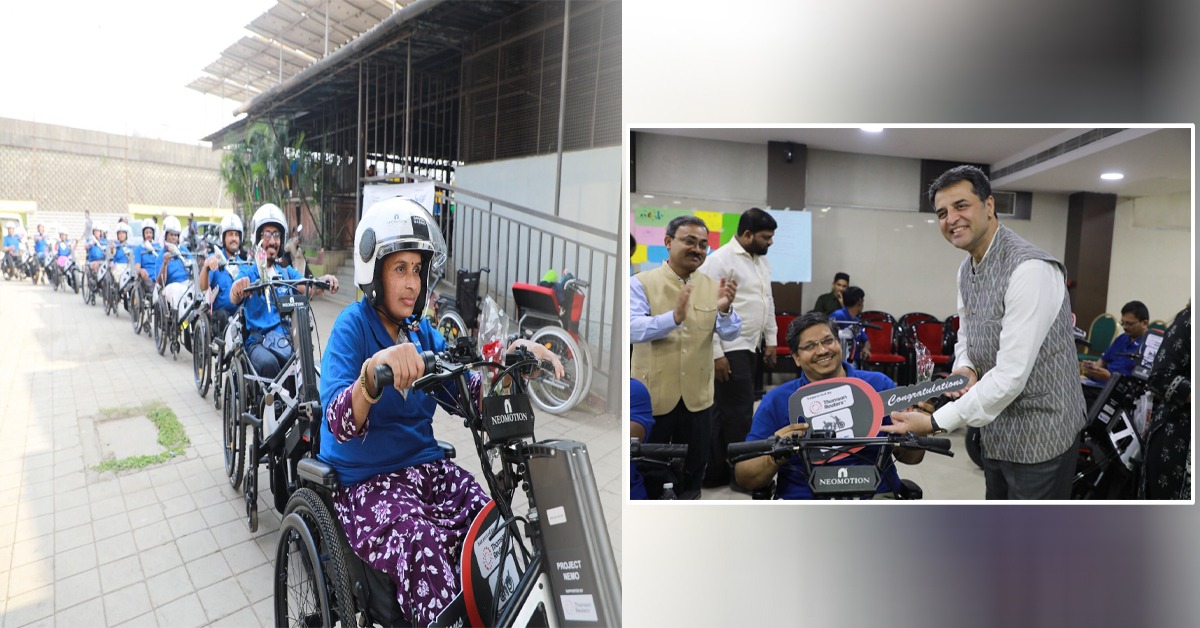
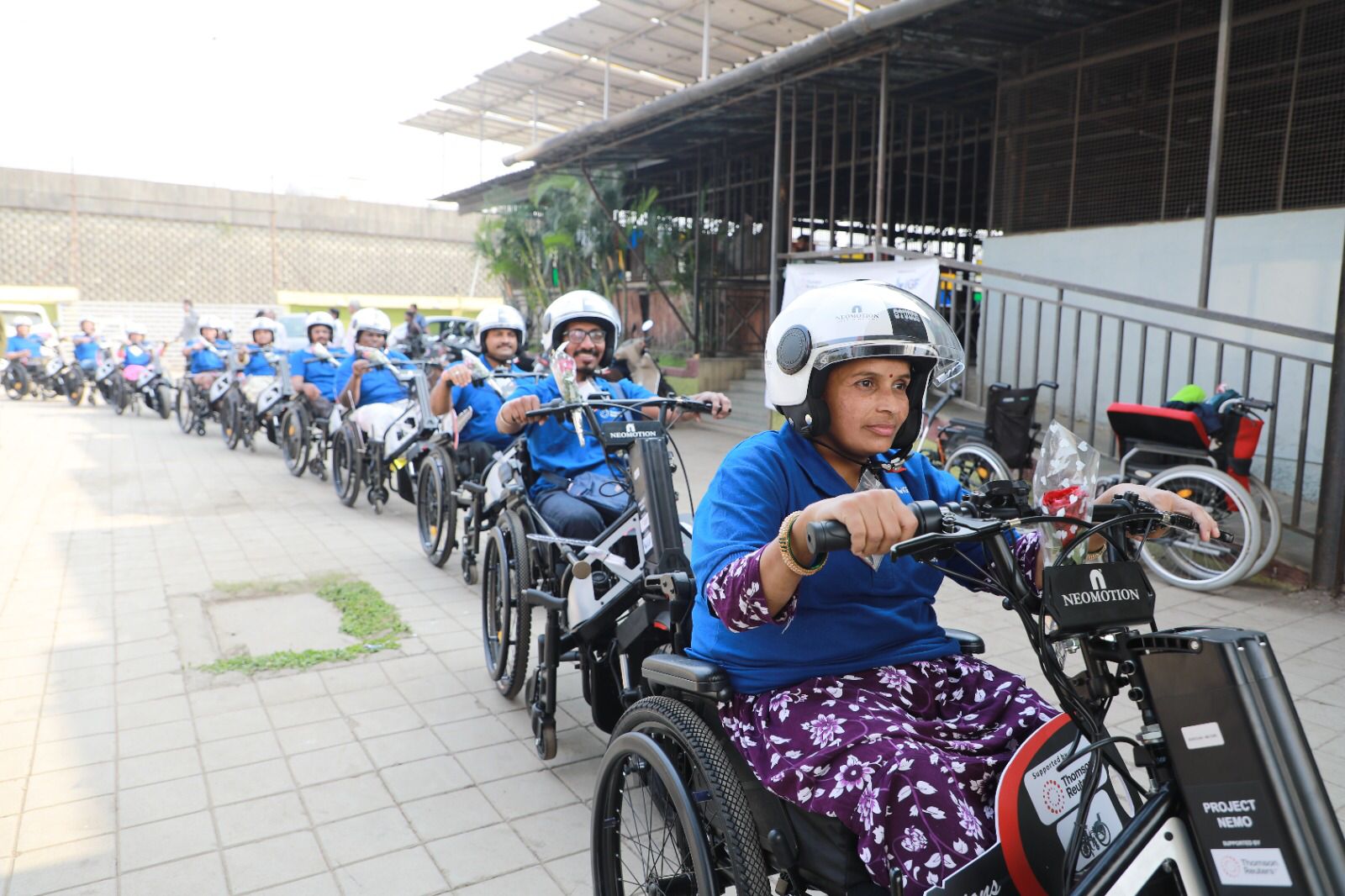
To address these gaps, Impact Guru Foundation partnered with a specialised vendor to introduce a motorised wheelchair solution designed for seamless indoor and outdoor mobility. Known as NeoBolt, the device is a motor- powered clip- on that securely attaches to an existing wheelchair, transforming it into a stable, road- worthy mobility vehicle. Unlike traditional models, NeoBolt allows users to remain in their wheelchair while travelling, eliminating the need for transfers or additional assistance. It is designed to handle Indian road conditions while remaining cost-effective, safe, and dignified.
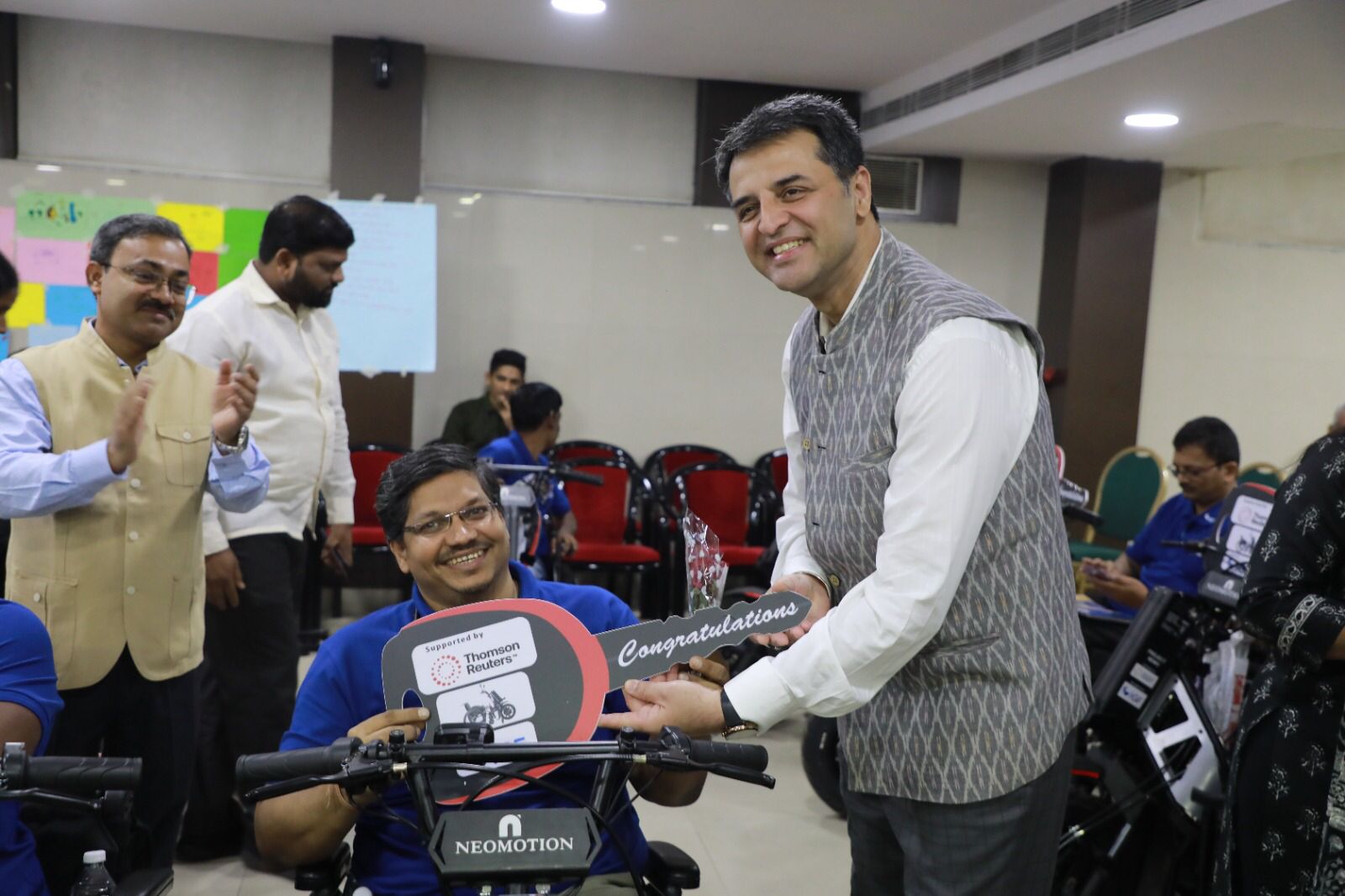
Under the current phase of the programme, more than 160 wheelchair users across Mumbai, Navi Mumbai, and Bhiwandi have been supported with customised NeoBolt devices, provided entirely free of cost. Each beneficiary also receives structured, skill- based training to ensure safe usage, comfort, and long-term independence. The focus is not merely on providing equipment, but on enabling sustained mobility that integrates into everyday life and livelihood opportunities.
One of the most significant decisions behind the initiative was adopting a lending and donation-supported model rather than selling the devices. Selling such solutions would immediately exclude those who need them most. Mobility, the foundation believes, should not be determined by purchasing power. By offering the service free of cost, supported through corporate and individual donations, the programme ensures equity while allowing the initiative to scale responsibly and reach underserved communities.
National Mathematics Day and the New Face of Mathematics Education
Affordability is central to both the design and impact of the programme. For many persons with disabilities, access to specialised mobility solutions remains financially out of reach, significantly constraining their ability to work, travel independently, and participate fully in economic life. From an impact perspective, the initiative delivers a strong Social Return on Investment, converting programmatic inputs into sustained income generation and long- term socio-economic gains. While the most visible outcomes are reflected in recurring earnings, the programme’s true value extends further—reducing dependence on caregivers, lowering ongoing transportation costs, improving mental well-being, and strengthening overall household stability. Together, these outcomes create a multiplier effect that substantially amplifies the programme’s social and economic impact over time.
Behind these numbers are individual lives reshaped by independence. One beneficiary, a wheelchair user and mother of two, had long struggled with restricted mobility and the absence of a steady income. Through the programme, she received a NeoBolt device along with skill training and employment placement with a leading food delivery platform. Today, she earns a stable income, receives tips from customers who admire her resilience, and has been able to move her children from a government school to Delhi Public School. For her, mobility did not merely change her routine—it altered her family’s future.
Another moment that remains deeply etched in the organisation’s memory occurred during Diwali. A beneficiary named Ashok visited IGF’s office not to seek assistance, but to express gratitude. Married for seven years, he had lived with the quiet pain of dependence, unable to contribute financially to his household. That Diwali marked a turning point. For the first time, he earned enough to buy a saree for his wife with his own income. Overwhelmed with emotion, he spoke of how being able to support his wife restored his confidence and sense of purpose. It was a small act outwardly, but one that symbolised dignity, love, and self-reliance.
User feedback often centres not on gratitude, but on pride. Many beneficiaries share that this is the first time they feel recognised as capable contributors rather than dependents. The joy of independent movement, the confidence of earning a livelihood, and the feeling of belonging within mainstream economic life reinforce the deeper purpose of the initiative.
Operational challenges persist. Many beneficiaries work as delivery executives, covering long distances daily. Although each user initially receives one battery, the demanding nature of their work often necessitates a second battery, which costs approximately ₹40,000. While this presents a financial challenge for the programme, it also reflects its success. As beneficiaries begin earning stable incomes, many choose to invest in the additional battery themselves, marking a shift from reliance to self-sufficiency. This willingness to reinvest in their own productivity highlights the programme’s long-term impact.
Infrastructure presents another challenge. Residential and training facilities that are fully accessible, safe, and suitable for locomotor-adaptive training remain limited. However, through strong on-ground networks and partnerships with hospitals, Primary Health Centres, Anganwadi centres, and local institutions, IGF has been able to identify and adapt appropriate spaces without compromising dignity or safety.
The long-term vision of the initiative extends beyond providing mobility devices. The foundation aims to build systems where accessibility is integrated into everyday life—across public transport, workplaces, training centres, and public spaces. A recent incident in Delhi, where a wheelchair user was unable to board a bus despite accessible infrastructure, underscored a critical truth: accessibility requires not only physical design, but also operational sensitivity and training.
The goal is not exception, but equality. Equality means being able to travel independently, access public services, earn a livelihood, and participate fully in society without constant assistance. Achieving this vision requires sustained collaboration across sectors, policy reform, systemic change, and continued donor support.
The programme follows a structured, end-to-end process—from donor alignment and beneficiary identification to screening, skilling, certification, deployment, and 12 months of follow-up and impact assessment. Yet beyond the processes and metrics lies a simple truth: when mobility is restored, dignity follows.
In a country where independence is often tied to movement, giving someone the ability to travel freely is not charity. It is justice.