
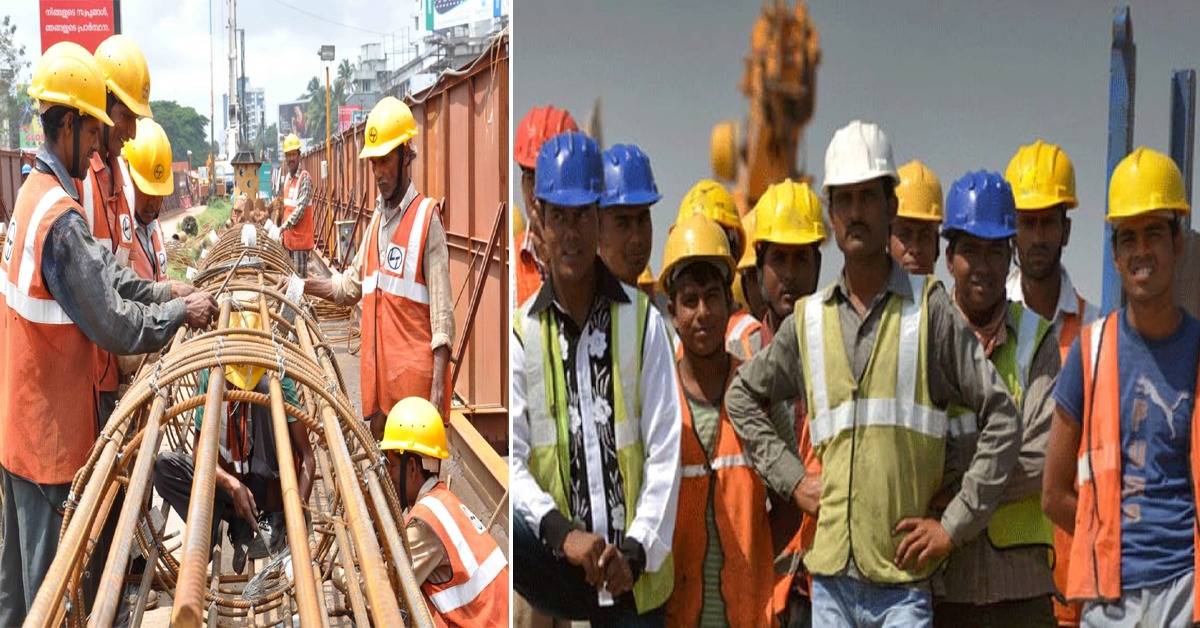
New Delhi: India’s labour landscape has undergone a historic transformation with the consolidation of 29 labour laws into 4 simplified and modern Labour Codes viz. the Code on Wages, 2019, the Industrial Relations Code, 2020, the Occupational Safety, Health and Working Conditions (OSH) Code, 2020 and the Code on Social Security, 2020. By unifying definitions, simplifying procedures, and enhancing accountability, these codes promote both worker welfare and ease of doing business. Importantly, these reforms significantly improve protections for Contract Workers, by ensuring clearer rights, stronger wage safeguards, expanded social security, and better working conditions under a more transparent and enforceable system.
Enhanced Protection for Contract Workers
Contract workers form a significant part of India’s labour force, often engaged in essential yet vulnerable roles across industries. These reforms aim to create a more inclusive and equitable labour environment where contract workers receive stronger rights, improved working conditions, and enhanced socio-economic security.
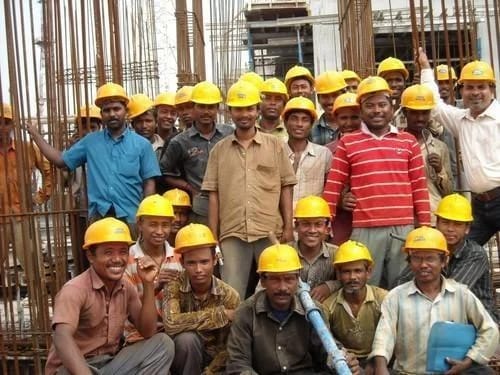
Improved Wage Protections
Universalization of Minimum Wages has been ensured. No employer shall pay any employee less than the minimum wage notified by the Government. Previously, minimum wages applied only to scheduled employments, but now it covers all employees. The Government shall review or revise minimum rates of wages ordinarily at interval not exceeding five years. Also, the Government shall fix minimum rate of wages for timework, piece work for different wage period i.e. by hours, day or by month based on the skill of employee and arduousness of work.
Floor Wage: Floor wage will be fixed by Government considering the minimum living standards of an employee including food, clothing etc. The same shall also be revised at regular interval, reducing the migration of labour from one state to another state.
Overtime Wages: Employers must pay employee at least twice the normal wage rate for any work beyond normal working hours.
Bonus: Bonus shall be paid to every employee, who has worked for at least 30 days in an accounting year, drawing wages not exceeding such amount as fixed by Government (Central/State). The annual bonus is paid minimum at the rate of eight and one-third % and maximum up to 20% of the wages earned by the employee.
Smarter Infrastructure and Stronger Industrial Growth through Industrial Parks
Minimum Time Rate Wages for Piece Work: If an employee is employed on piece work where a minimum time rate (instead of a piece rate) is fixed, the employer must pay wages not less than this minimum time rate.
Responsibility for Payment of Dues: Employer shall pay wages to the employee employed by him. If such employer fails to make such payment in accordance with the Code, then, the company or firm or association or any other person who is the proprietor of the establishment, in which the employee is employed, shall be responsible for such unpaid wages.
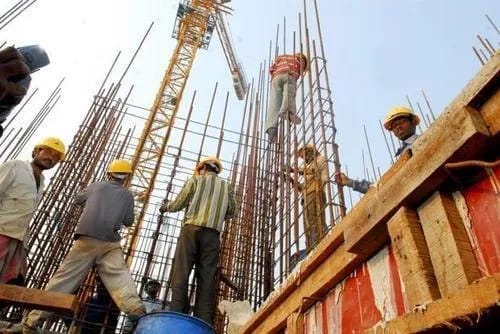
Responsibility for payment of Wages: A contractor shall be responsible for payment of wages through bank transfer or electronic mode. In case the contractor fails within prescribed period, then, the principal employer shall be liable to make payment of the wages in full or the unpaid balance due, as the case may be, to the concerned contract labour employed by the contractor and recover the amount so paid from the contractor either by deduction from any amount payable to the contractor under any contract or as a debt payable by the contractor. In case, contractor does not pay the wages, the appropriate Government (Central/State), shall pass the orders of making payment of such wages from the amount deposited by such contractor as security deposit under the licence issued by the licensing officer to the contractor.
Issuance of Wage Slips: Employers shall issue wage slips electronically or in physical form to the employee on or before payment of wages.
Limitation period: The period of limitation for filing of claims by an employee has been enhanced to three years, as against the existing time varying from six months to two years. The employer shall pay or cause to be paid wages to all the employees, based on type of the employment.
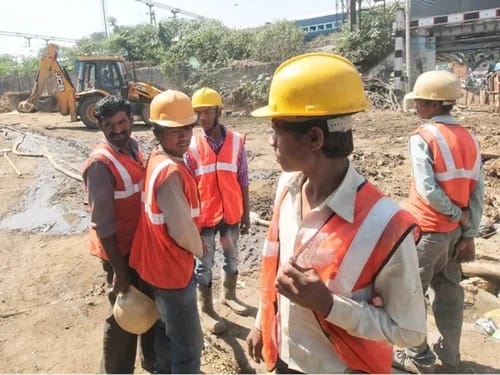
By simplifying regulations and strengthening protections, the reforms particularly uplift welfare of Contract Workers. With clearer entitlements, broader social security, and improved working conditions, the new system ensures that contract workers receive fair treatment and meaningful safeguards. Overall, these changes reinforce India’s commitment to workers’ welfare while supporting a more efficient and transparent labour ecosystem.