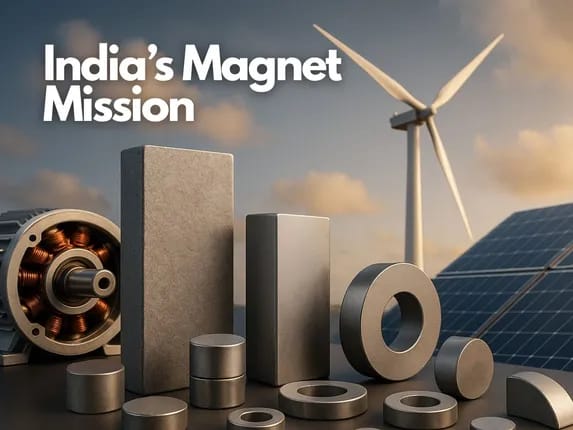

New Delhi: The Government of India has approved the ‘Scheme to Promote Manufacturing of Sintered Rare Earth Permanent Magnet’ with a financial outlay of ₹7,280 crore. The scheme aims to establish 6,000 metric tonnes per annum (MTPA) of integrated REPM manufacturing capacity in India, covering the full chain from rare-earth oxides to finished magnets. By building a domestic integrated ecosystem, the initiative is intended to enhance self-reliance in a critical input for electric vehicles, renewable energy systems, electronics, aerospace and defence, and to position India as a key player in the global REPM market. It also supports broader national objectives, including Atmanirbhar Bharat, resilient supply chains for strategic sectors, and the country’s long-term Net Zero 2070 vision.
What is Rare Earth Permanent Magnet (REPM)?
REPMs are amongst the strongest types of permanent magnets and are used extensively in technologies requiring compact and high- performance magnetic components. Their high magnetic strength and stability make them integral to: Electric vehicle motors
Wind turbine generators
Consumer and industrial electronics
Aerospace and defence systems
Precision sensors and actuators
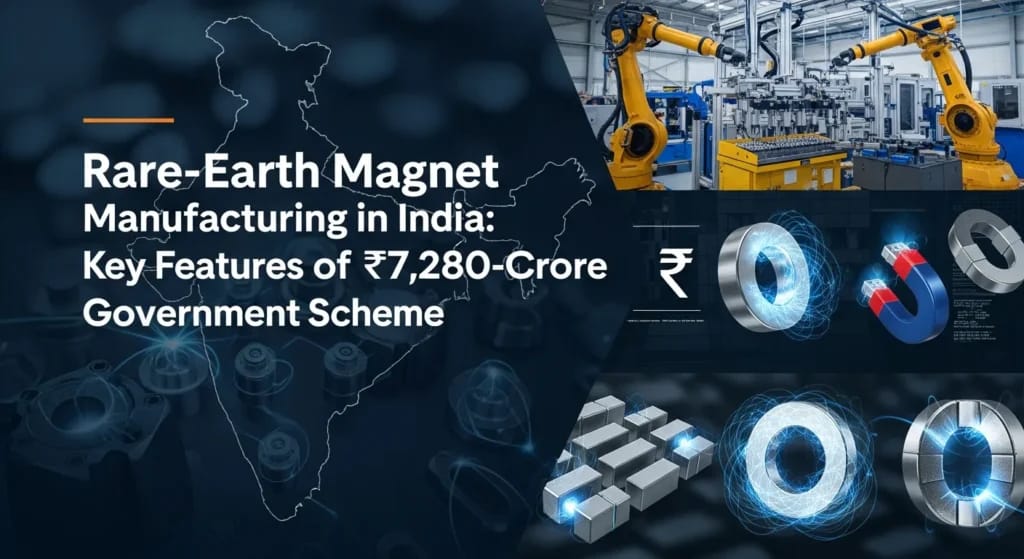
The ability of REPMs to deliver strong magnetic performance at small sizes makes them essential for advanced engineering applications. As India expands manufacturing across priority sectors such as clean energy, advanced mobility and defence, establishing a reliable domestic supply of high- performance magnets becomes increasingly important for long-term competitiveness and supply-chain resilience.
Discovery of ZSI Scientists: New Soil-Dwelling Micro-Arthropod Species
India has a substantial base of rare-earth minerals, particularly monazite deposits located across several coastal and inland regions. These deposits contain about 13.15 million tonnes of monazite, holding an estimated 7.23 million tonnes of rare-earth oxides (REO), and occur in coastal beach sands, teri/red sands and inland alluvium in Andhra Pradesh, Odisha, Tamil Nadu, Kerala, West Bengal, Jharkhand, Gujarat and Maharashtra. These oxides serve as the primary raw material for downstream rare-earth industries, including permanent magnet manufacturing.
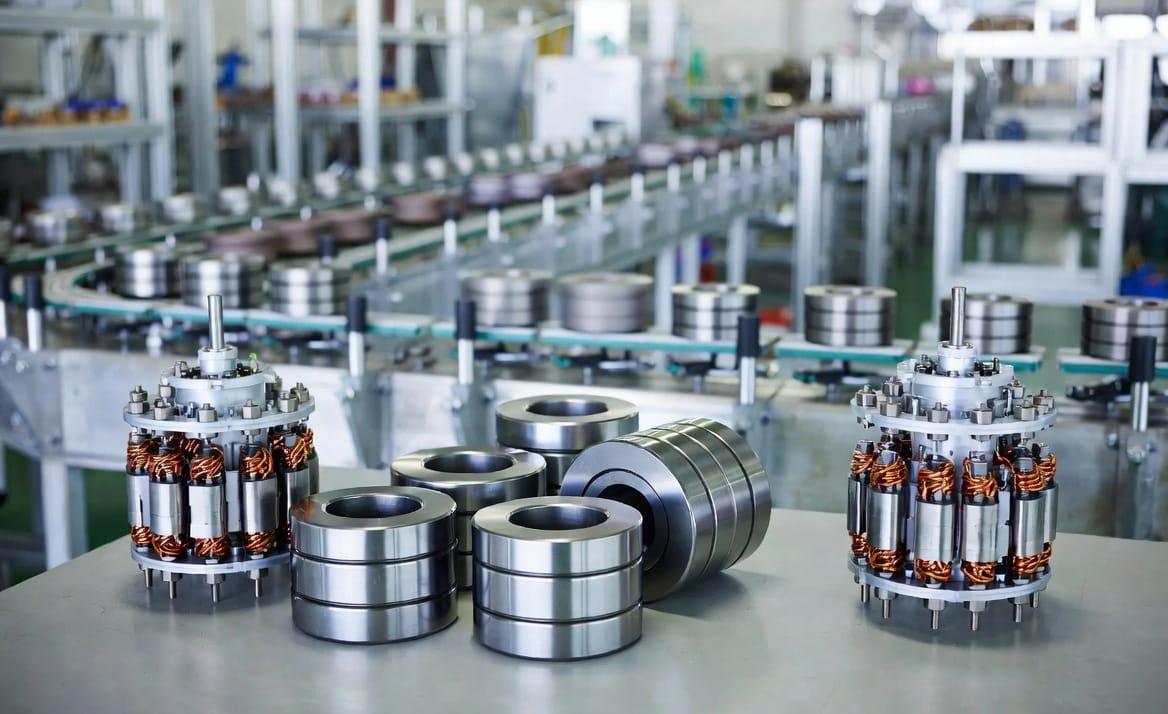
The Scheme to promote manufacturing of Sintered Rare Earth Permanent Magnets (REPM) is designed to enhance competitiveness, attract technology-driven investment and support long-term scalability. It also contributes to India’s energy- transition goals, given the role of these materials in high-efficiency systems. By establishing domestic capability and strengthening downstream linkages, this Government’s initiative will help generate employment, deepen industrial capacity and support the vision of Atmanirbhar Bharat and Viksit Bharat @2047.