

Journalist
If your yearend ritual includes re-watching Friends or zoning out to The Big Bang Theory, here’s the bad news: both shows exit Netflix at the end of December.
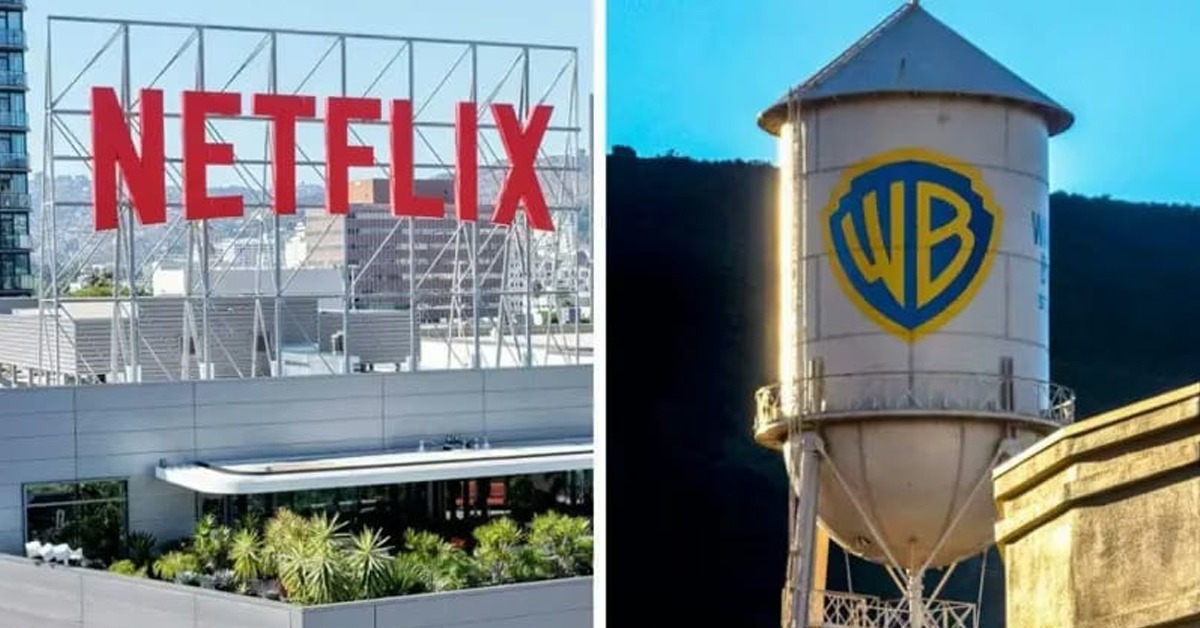
For millions this feels like a personal loss. But their exit isn’t random nostalgia theft, it’s collateral damage from Netflix’s most aggressive power move yet, its $72-billion takeover of Warner Bros.’ studios and streaming empire.
Ironically, Netflix is losing the very Warner shows it is in the process of absorbing. In one stroke, Netflix has absorbed the very institution that once defined prestige cinema and television. Warner Bros. made movies, HBO made culture. Netflix makes content at scale and that distinction is exactly where the anxiety begins. This deal doesn’t threaten a shortage of entertainment. It threatens a shortage of creative difference.
For decades, Warner Bros. and HBO represented distinct creative philosophies like prestige writing, slow-burn storytelling, and cinematic risk. But, Netflix stands for speed, volume, algorithmic performance, and global content engineering. When one company controls all three, the industry risks collapsing into a single creative logic: what performs fastest, widest, and safest. The worry is not about content surviving but about the variety of creative DNA remaining alive.
The fear is not sentimental, it’s structural. Mid-budget dramas are already disappearing. Theatrical windows are shrinking and risk is being replaced with IP recycling. In a world ruled by retention graphs and watch-time heat maps, originality becomes a statistical gamble. And with this merger one platform will control not only distribution but taste.
Netflix insists nothing will change overnight. But cultural shifts never announce themselves loudly. They arrive quietly, through disappearing titles, shrinking theatrical windows, and safer greenlights.
The departure of Friends and The Big Bang Theory is more than a nostalgic loss, it’s a symbolic moment. It reminds us streaming was once about access, not dominance and that in the new era of mega-mergers, even comfort has become collateral.
This isn’t the death of cinema, but the narrowing of its imagination!
More News: How Indian Cinema Has Glorified Literature in the recent years