New Delhi: Every year on 3 March, the world observes World Wildlife Day, proclaimed by the United Nations to celebrate wild fauna and flora and to raise awareness about their importance to people and the planet. The day marks the adoption of the Convention on International Trade in Endangered Species of Wild Fauna and Flora (CITES), reinforcing global commitment to ensuring that trade in wildlife does not threaten species survival. The day underscores that wildlife is not merely part of nature’s beauty, but a critical pillar of food security, healthcare, livelihoods, climate resilience, and sustainable development. At a time when biodiversity faces mounting pressure from habitat destruction, overexploitation, illegal trade, and climate change, World Wildlife Day serves as a global call to conserve and sustainably use biological resources for present and future generations.
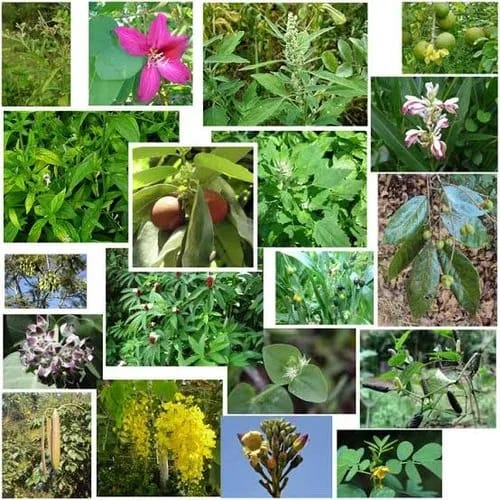
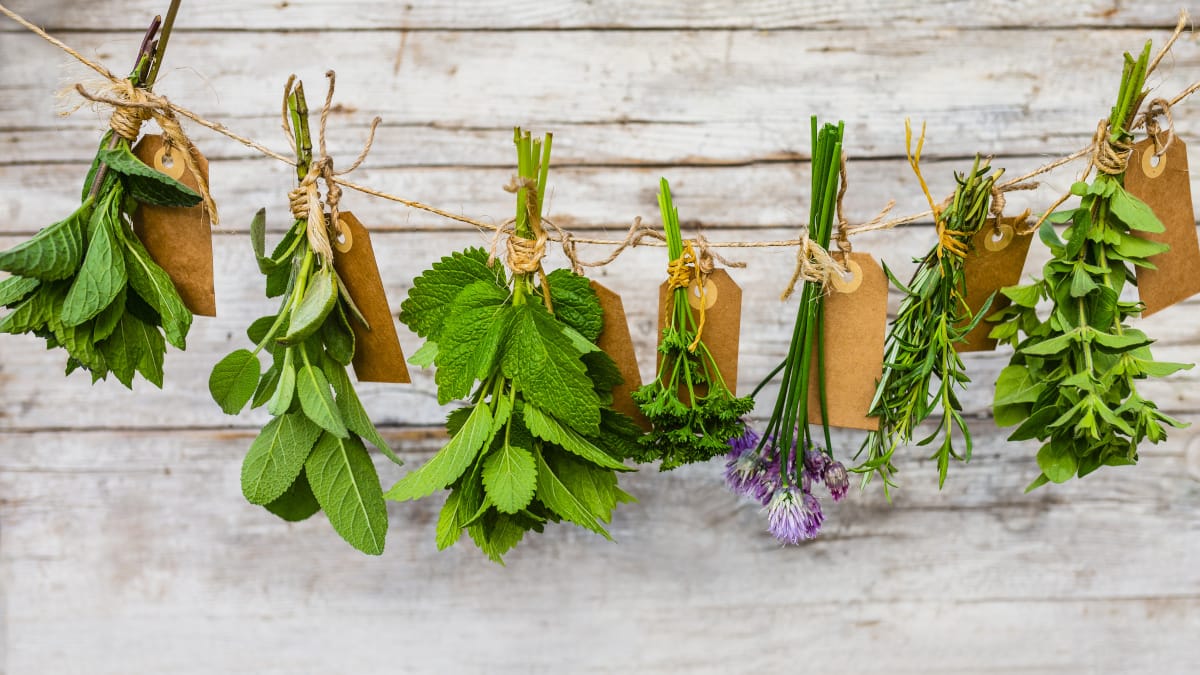
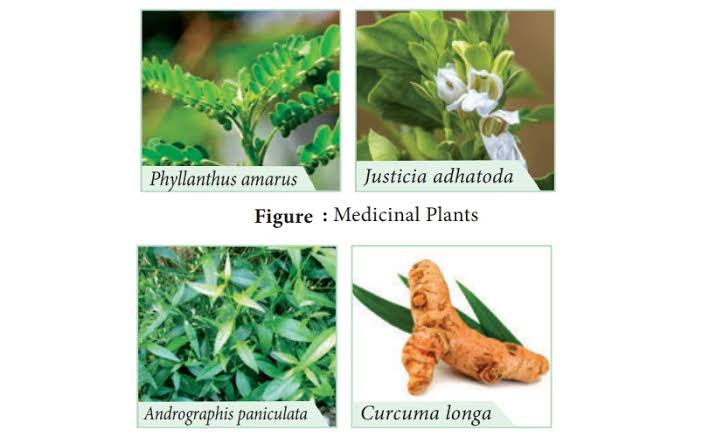
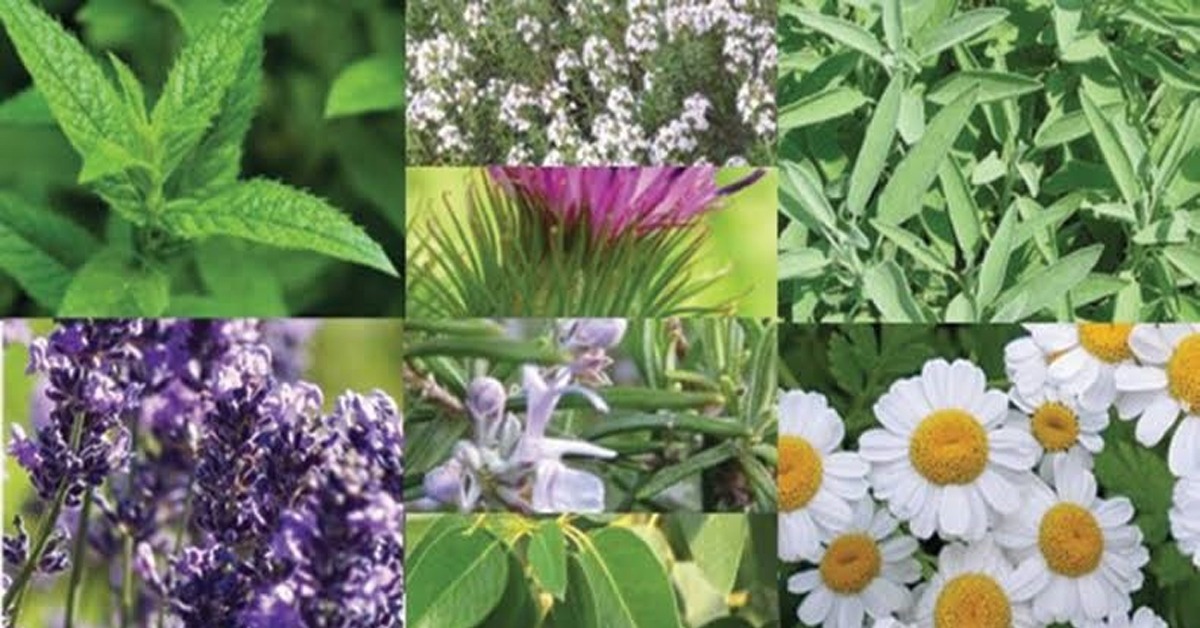
The theme for World Wildlife Day 2026 – “Medicinal and Aromatic Plants: Conserving Health, Heritage and Livelihoods” – highlights the importance of plants used for medicine, their role in preserving cultural traditions, and the income they provide to local communities. Across the world, 70–95% of people in developing countries depend on traditional medicine for basic healthcare, much of it derived from plant-based resources. Medicinal and aromatic plants form the foundation of traditional systems of medicine and also contribute significantly to modern pharmaceuticals. Beyond their health applications, these plants strengthen ecosystems by supporting pollinators, improving soil health, and enhancing biodiversity. Their conservation is therefore a global priority, especially for biodiversity-rich countries like India.
For India, the 2026 theme carries particular significance. India is one of the 17 mega biodiversity-rich countries in the world and has 7% of the world’s bio-diversity. It has 15 agro-climatic regions, 45,000 different plant species out of which 15,000 are medicinal plants. Of these, about 8,000 species are used in Indian systems of medicine and folk medicines. Nearly 70% of India’s medicinal and aromatic plants (MAPs) are found in the tropical forests of the Western and Eastern Ghats, the Himalayas, and the Aravalli range.
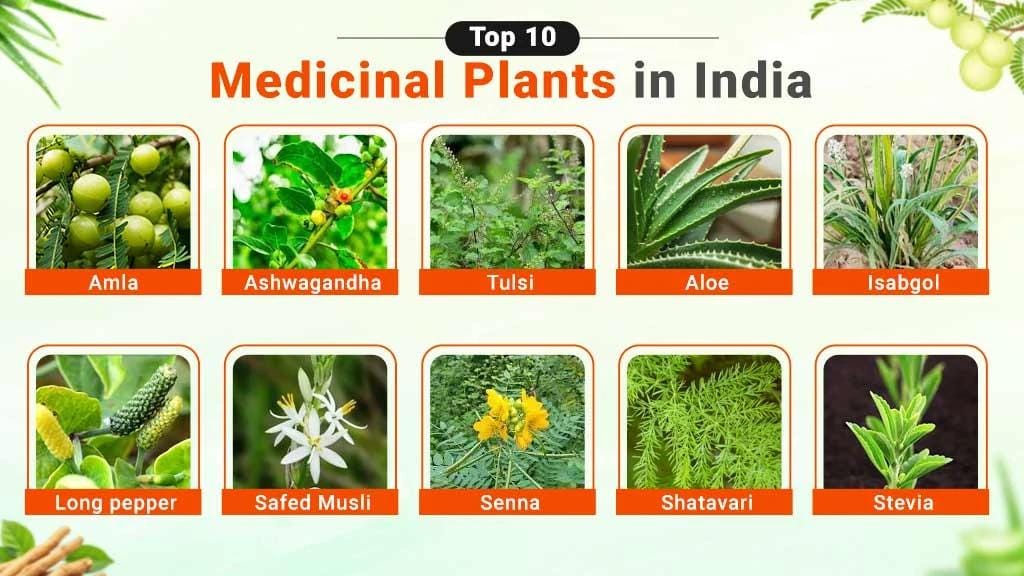
The Botanical Survey of India has identified over 5,250 plant species and documented over 9,567 folk claims for various ailments. India has been taking strong steps to protect this rich heritage. The National Medicinal Plants Board (NMPB) runs a dedicated scheme for the conservation and sustainable management of medicinal plants. It supports Conservation, IEC activities, farmer training, research & Development and marketing. These efforts reflect India’s strong and unwavering commitment to protecting its rich medicinal plant heritage.