

New Delhi: Lok Adalats is a friendly and informal forum where disputes are resolved by consensus, not contest. From National to Taluk-level authorities, they ensure timely and locally accessible dispute resolution across India.
National and E-Lok Adalats settle millions of cases annually, offering fast, cost-effective resolutions and reducing court backlogs. Permanent Lok Adalats handle essential service disputes using conciliation and adjudication, ensuring citizens receive timely, fair outcomes.
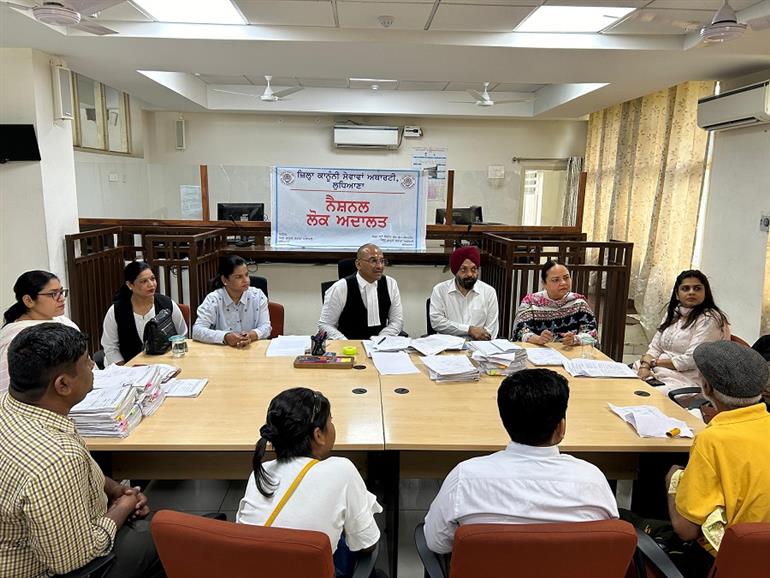
Farmers with land disputes, shopkeepers resolving payment issues, families settling long-pending claims, and bank officials sifting through files, all gathered with a shared hope that today, years of waiting may finally end. There is no tense courtroom drama, no intimidating legal jargon. Instead, there is conversation, negotiation, and an unusual sense of relief that justice might actually be simple.
Concerted, Orchestrated Attack On CM Over Messi Fiasco Raises More Questions Than It Answers
This is the spirit of the Lok Adalat, India’s people-centric forum where disputes are settled not by contest, but by consensus. Lok Adalats have become one of India’s most trusted alternative dispute resolution mechanisms. Whether held in court premises, community halls, or virtually through E-Lok Adalats, they bring justice closer to citizens, saving time, reducing costs, and cutting the burden on courts. Unlike formal courts, Lok Adalats are informal, friendly platforms where parties sit together and work out on solutions they can both accept. There are no court fees, no complex procedures, and no winners or losers. The effort is not to decide who is right, but to help people find a practical, fair, and quick resolution so they can move on with their lives.
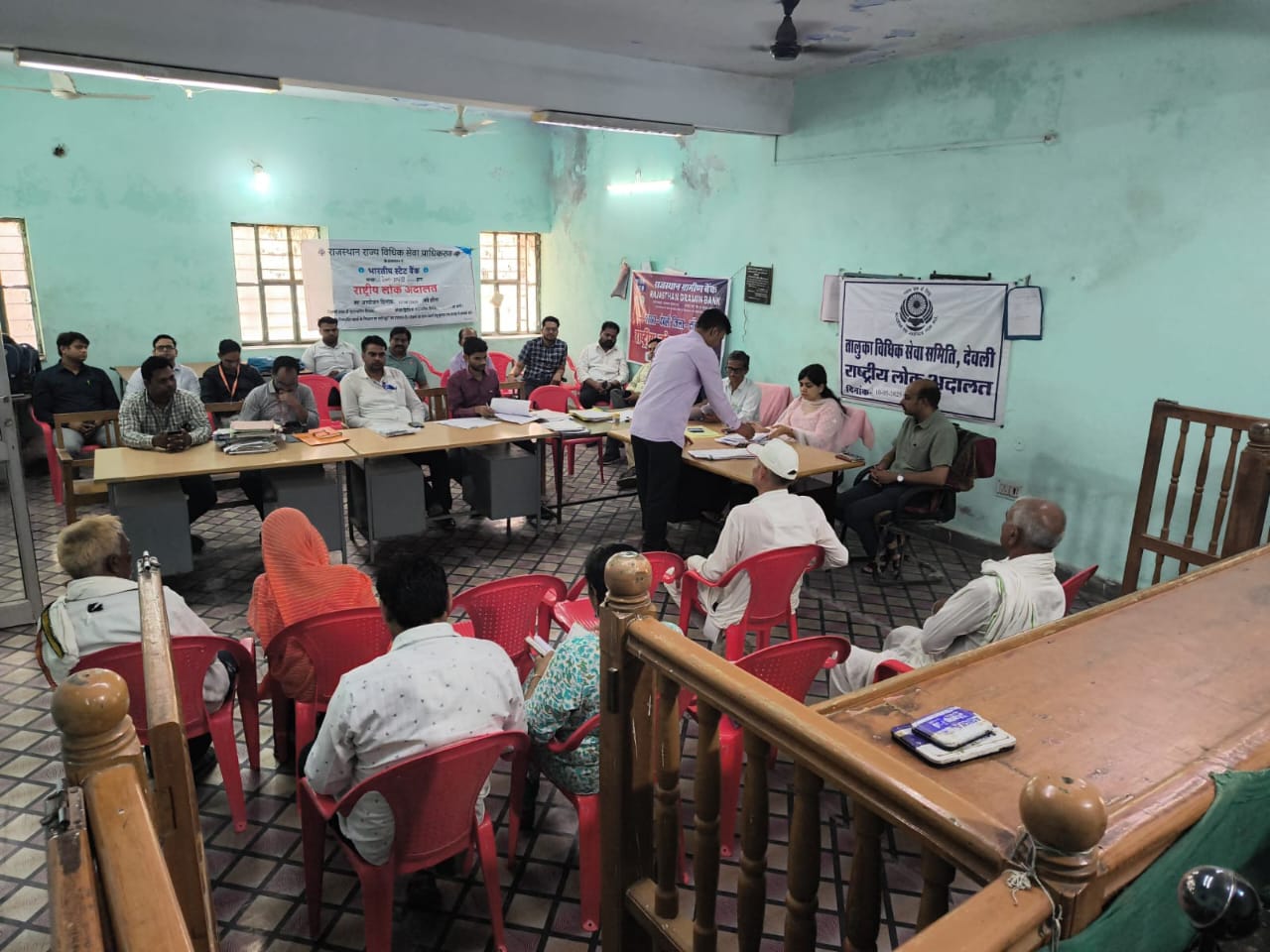
By embedding Lok Adalats within the Legal Services Authorities Act, 1987, India ensures a legally robust & deeply humane model of justice.
Lok Adalats did not emerge in isolation, they evolved from a broader national commitment to ensure that every person, regardless of income or background, can access justice with dignity. This commitment took a concrete legal form through the Legal Services Authorities Act, 1987. This is a landmark legislation that transformed free legal aid and alternative dispute resolution from scattered initiatives into a structured, nationwide system.
Key Legal Provisions of Legal Services Authorities Act, 1987:
Establishment of Lok Adalats at various levels (State, District, Taluk, High Court, Supreme Court) ensures a nationwide, institutional structure for accessible dispute resolution.
Referral of cases, pending in court or pre-litigation matters, to Lok Adalats to ensure early resolution option without lengthy litigation.
Lok Adalats function on a conciliation model, with a co-operative and non-adversarial approach.
Already paid court fees is refunded when the case is settled, encouraging settlement and relief for litigants.
Award of Lok Adalat is final & binding, deemed as a civil court decree and no appeal is permitted for quick finality and enforceability.
Establishment & jurisdiction of Permanent Lok Adalats for public utility services leads to faster resolutions.
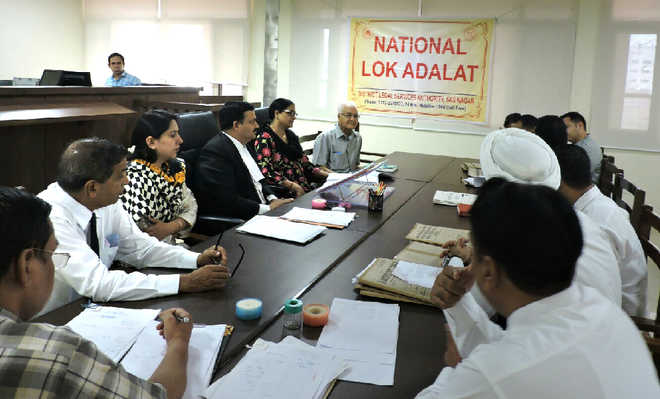
As the day winds down in court complexes across the country after a busy day of Lok Adalat, a quiet sense of satisfaction lingers in the air. Lok Adalats and Permanent Lok Adalats, now complemented by E‑Lok Adalats, show that justice need not be distant or intimidating. It can be accessible, empathetic, and empowering. Every settlement is a story of understanding, every resolved case a moment of trust restored between citizens and the system. In this quiet, persistent way, the Lok Adalat system reminds us that justice is not just about laws and courts, it is about people, dignity, and the simple, profound right to move forward in life with fairness and hope.