
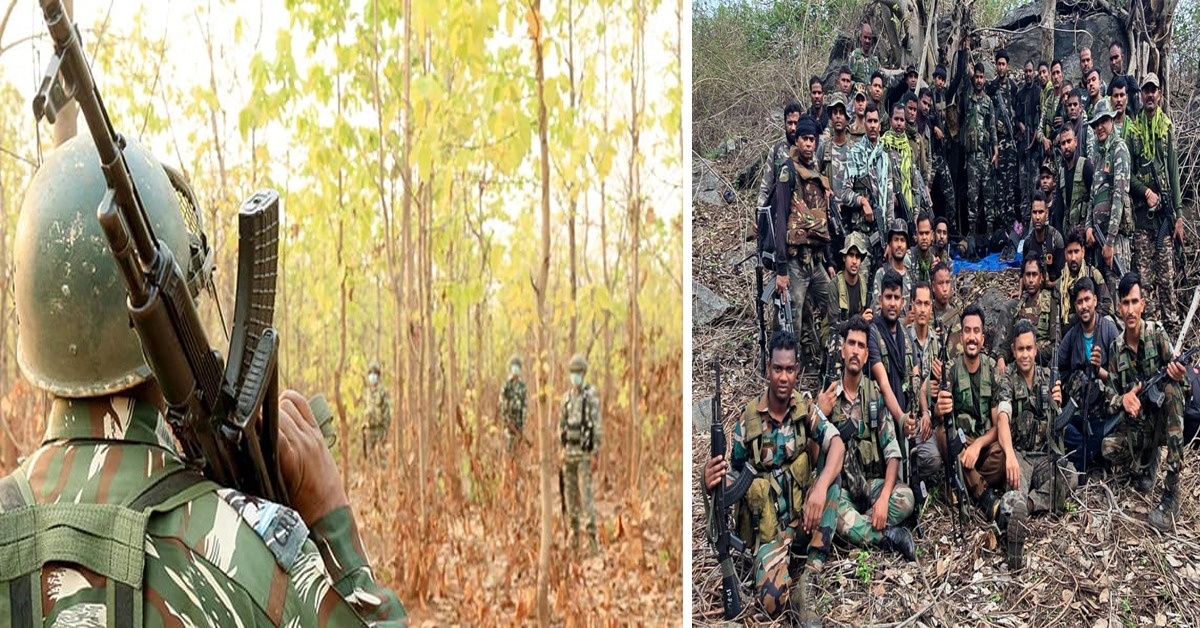
New Delhi: Reflecting the central government’s decisive defence strategy against Left Wing Extremism, significant progress has been made in reducing Naxal-affected regions across the country. With decisive interventions, the Naxal-most-affected districts have been brought down from 36 (2014) to only 3 (2025) and total LWE-affected districts from 126 to just 11 by 2025.The Government has adopted a unified, multi-dimensional and decisive strategy against Naxalism, replacing the scattered approach of previous governments. Operating on the clear principles of dialogue → security → coordination, the Government has set the firm target of making every Naxal-affected area completely Naxal-free by March 2026.

Naxalism in the country was spread across the “Red Corridor,” impacting states such as Chhattisgarh, Jharkhand, Odisha, Maharashtra, Kerala, West Bengal, Madhya Pradesh, and parts of Andhra Pradesh and Telangana. India’s multidimensional counter-LWE strategy has sharply reduced violence, weakened the movement, and reintegrated districts.
Violent incidents declined 53% from 16,463 to 7,744.
Security force deaths fell 73%, from 1,851 to 509
Civilian deaths dropped 70%, from 4,766 to 1,495.
In 2025 so far, 317 Naxals have been neutralised, 862 arrested and 1,973 surrendered. In 2024 alone, 290 were neutralised, 1,090 arrested and 881 surrendered. A total of 28 top Naxal leaders have been neutralised, including 1 Central Committee Member in 2024 and 5 in 2025. Major successes include 27 hardcore Naxals killed in Operation Black Forest, 24 surrendering in Bijapur on 23 May 2025, and 258 surrendering in October 2025 across Chhattisgarh (197) and Maharashtra (61), including 10 seniors Naxals in the surrenderers.
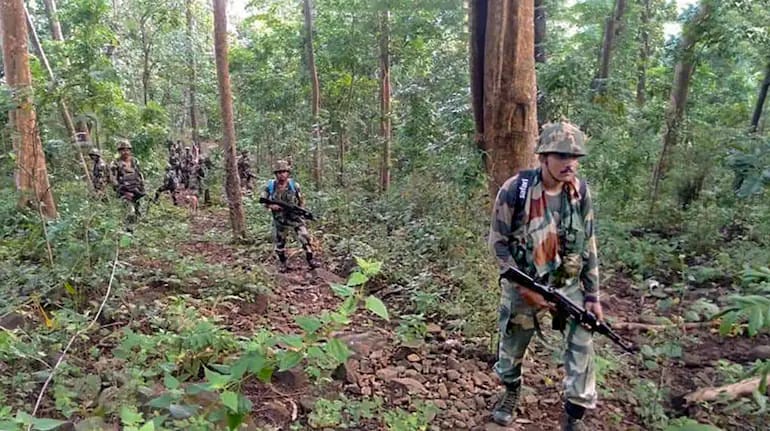
Under the Central Government, only 3 districts remain which are most-affected by Naxalism in 2025 compared to 36 in 2014. Total Naxal-affected districts have been reduced from 126 in 2014 to just 11 in 2025. Fortified police stations increased from only 66 until 2014 to 586 constructed in the last 10 years. Police stations recording Naxal incidents dropped sharply from 330 across 76 districts in 2013 to merely 52 in 22 districts by June 2025. Additionally, 361 new security camps have been established in the last 6 years and 68 night-landing helipads have been built to strengthen operational reach.
The Central Government has strengthened the capacity of Left-Wing Extremism- affected states through increased financial support and targeted assistance under key security and infrastructure schemes. The Government of India has significantly strengthened infrastructure in Left Wing Extremism– affected areas by expanding road networks and mobile connectivity to enhance accessibility, security response, and socio-economic integration. The Central Government has ensured deep financial inclusion in LWE-affected districts by establishing 1,804 bank branches, 1,321 ATMs and 37,850 banking correspondents. It also opened 5,899 post offices across 90 districts with coverage at every 5 km, bringing banking, postal and remittance services directly to remote communities previously under Naxal influence. The Central Government has launched skill development initiatives in 48 LWE-affected districts by sanctioning 48 Industrial Training Institutes (ITIs) with an investment of Rs.495 crore and approving 61 Skill Development Centres (SDCs). Of these, 46 ITIs and 49 SDCs are already functional, providing vocational training and employment opportunities to local youth, thereby reducing Naxal recruitment and integrating remote communities into the mainstream economy. The Central Government’s surrender- cum- rehabilitation policy has accelerated the collapse of Naxal cadres by offering attractive incentives and assured livelihood. High-rank LWE cadres receive Rs.5 lakh, middle/lower-rank cadres Rs.2.5 lakh, and all surrenderers get a Rs.10,000 monthly stipend for professional training lasting 36 months. As a result, 521 LWE cadres surrendered this year alone, with the total rising to 1,053 after the new state government assumed power, successfully, bringing hundreds of former insurgents into the mainstream with guaranteed employment and security. While pockets of resistance remain and complete eradication demands sustained vigilance till the declared deadline of 31 March 2026, the trajectory is unmistakable: the ideological and territorial backbone of the Naxal insurgency has been broken, paving the way for lasting peace and development in regions long deprived of both.