
Writer, Social Worker
The quiet hum of conversation inside the Kolkata venue stood in contrast to the urgency of the issue that had brought people together. On February 5, 2026, mental health practitioners, community members, facilitators and participants gathered around a shared concern that is increasingly shaping everyday life in the city: emotional distress that does not always announce itself as crisis, but lingers as chronic stress, overwhelm and difficulty coping with daily demands.
The occasion was a mental health engagement initiative hosted by Mpower, an initiative of the Aditya Birla Education Trust, as part of its ongoing work to respond to emerging mental health needs across India. Drawing from its internal mental health trends, Mpower highlighted a shift in how distress is presenting in urban settings like Kolkata. Rather than only acute episodes or clearly defined diagnoses, a growing number of people are seeking help for persistent emotional heaviness, low mood, anxiety, irritability, sleep disruption and a sense of being unable to function as they once did.
These patterns mirror broader public health observations in West Bengal, where anxiety, depression and stress-related conditions continue to form a significant portion of the mental health burden. Professionals working on the ground describe a city where rapid urban change has intensified everyday pressures. Academic competition, long work hours, financial responsibilities, relationship strain, loneliness and limited downtime are combining in ways that gradually wear people down. For many, distress accumulates quietly, becoming part of daily life before it is recognised as something that deserves attention.
Dr. Preeti Parekh, Psychiatrist and Head of the Mpower Centre in Kolkata, noted that people rarely arrive seeking help with a clear label for what they are experiencing. Instead, they describe exhaustion, emotional weight, constant worry and the feeling that they are no longer coping the way they used to. Many struggle to articulate what feels wrong, but they know something has shifted. This gap between lived experience and clinical language often delays help-seeking, especially in environments where mental health is still associated with stigma or fear of judgement.
Mpower’s programme data reflects how widespread this need has become. In the East Zone, which includes Kolkata, Mpower-supported interventions have reached more than 1.5 lakh beneficiaries through a combination of clinical services, helpline support and large-scale community engagement initiatives. These interventions span age groups, with adolescents, young adults and working-age adults all actively seeking support. The data underscores the importance of early engagement and prevention-led approaches that address distress before it escalates into more severe mental health conditions.
Young people, in particular, have emerged as a key group. In educational settings, stress linked to academic performance, career uncertainty and social pressures is increasingly evident. At the same time, working-age adults are navigating demanding professional environments alongside personal responsibilities, often with limited emotional support. Mental health practitioners point out that when stress becomes chronic, it can affect not only emotional wellbeing but also concentration, productivity, relationships and physical health.
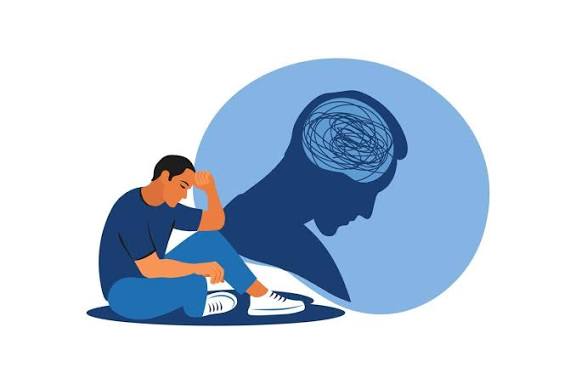
Another challenge identified by experts is that emotional distress often overlaps with coping behaviours and functional difficulties. People may continue to work, study and meet obligations even as they feel internally depleted. Because they are still “functioning,” many do not perceive their distress as serious enough to warrant help. Others hesitate because talking about emotions feels uncomfortable, unfamiliar or unsafe.
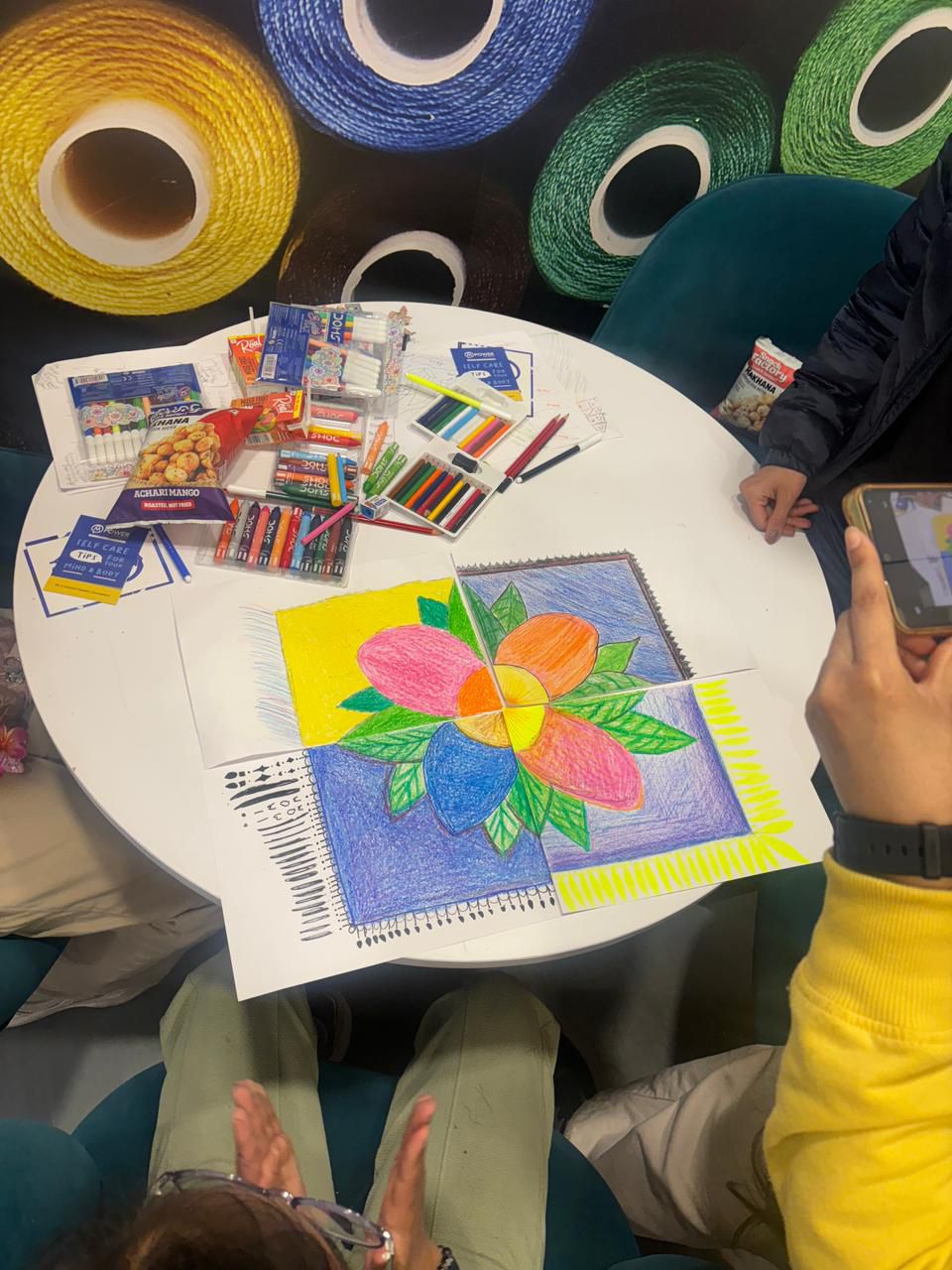
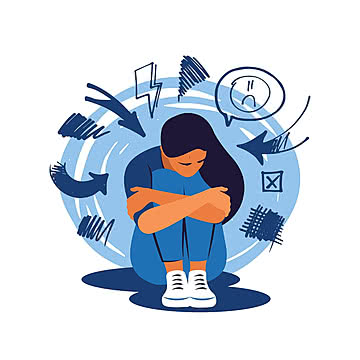
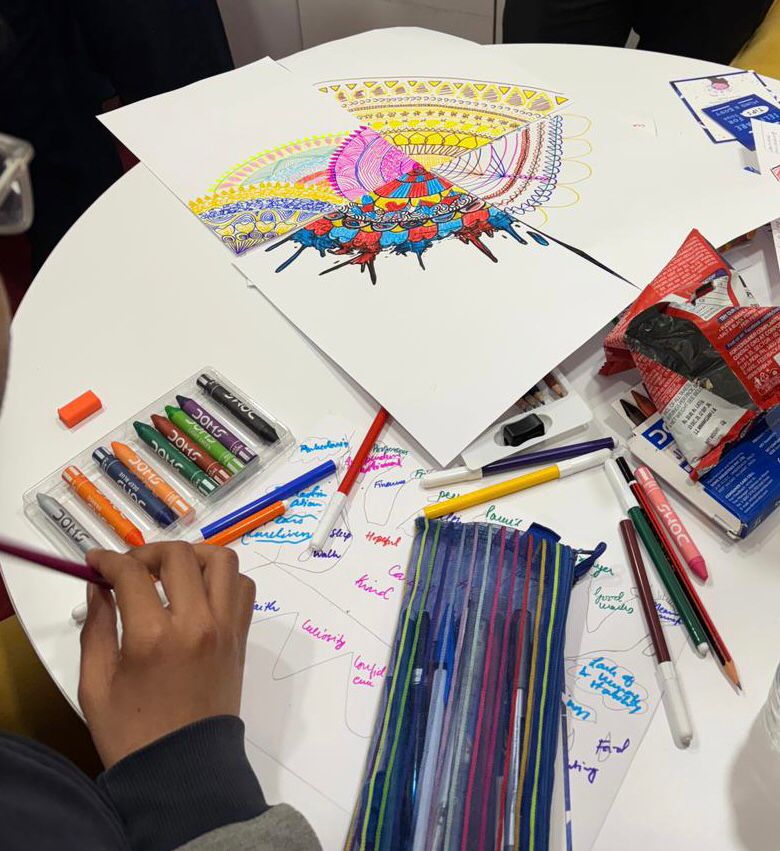
Recognising these barriers, Mpower has been exploring alternative, low-barrier entry points to mental health support. One such initiative was the free Art Therapy workshop hosted in Kolkata as part of this evolving approach. Designed as a safe and structured non-verbal space, the workshop offered participants an opportunity to express thoughts and emotions through creative mediums rather than conversation alone.
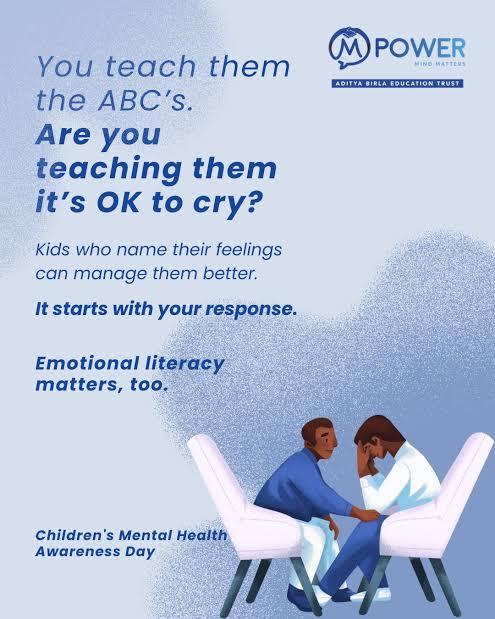
The session emphasised that art therapy is not about artistic skill or performance. Instead, it focuses on emotional expression, self-awareness and stress regulation. Participants were encouraged to engage with materials such as colours, paper and textures in ways that felt natural to them, without pressure to explain or interpret their work. For many first-time help seekers, this format provided a gentler introduction to mental wellbeing support.
Facilitators noted that creative approaches can be particularly helpful for individuals who find it difficult to articulate emotions verbally or who fear being judged for what they are experiencing, offering a supportive and non-intrusive pathway into mental health care and reinforcing the importance of accessible, stigma-free spaces that allow people to engage with their wellbeing at their own pace.