

New Delhi: India has fundamentally reimagined its economic landscape by positioning digital transformation as a vital engine for business growth. As part of its sustained commitment to improving Ease of Doing Business (EoDB), the Government has undertaken extensive reforms and initiatives to simplify regulations, enhance transparency, and strengthen institutional efficiency across sectors. From seamless business registration to a real-time payment system, India’s digital ecosystem ensures that organizations can navigate the entire business lifecycle, from entry to expansion, with unprecedented speed and ease. By harmonizing central and state-level reforms through integrated platforms, India offers a world-class gateway where data flows effortlessly across departments, reducing both time and cost of doing business.

The impact of these reforms is clearly reflected in India’s growing investment inflows and enterprise expansion. As the nation continues to strengthen its digital trade and logistics frameworks, it reinforces its status as a secure, efficient, and highly lucrative destination for industries.
India’s advanced digital infrastructure makes business registration easy, fostering an environment that promotes ease of entry. By harmonizing central platforms with state-led reforms, India provides entrepreneurs and businessmen with an efficient, transparent, and reliable gateway to growth.
India’s corporate landscape is being revolutionized by the MCA21 Project, a forward-looking, AI-driven initiative that significantly enhances transparency and Ease of Doing Business. The platform is used for end-to-end registry and incorporation related services of Companies & LLPs since 2006. MCA21 Version 3 integrates advanced features like e-Scrutiny, e-adjudication and e-consultation, Compliance Management System and MCA Lab. Additionally, MCA21 V3 have a cognitive chat bot enabled helpdesk, mobile apps, interactive user dashboards, enhanced user experience using UI/UX technologies, and effortless data dissemination through APIs. In the last five years (2021-2025), a total of approximately 3.84 crore filings have been made. And, the security and confidentiality of information submitted is ensured by adhering to ISO 27001 standards and multi-factor authentication to verify the identity of users accessing the system. Additionally, a helpdesk mechanism to address grievances related to the MCA21 portal has been established. During the FY 2025-26 (up to 31st Jan 2026) 3,16,877 helpdesk tickets were raised on the portal of which about 98%, were successfully resolved.
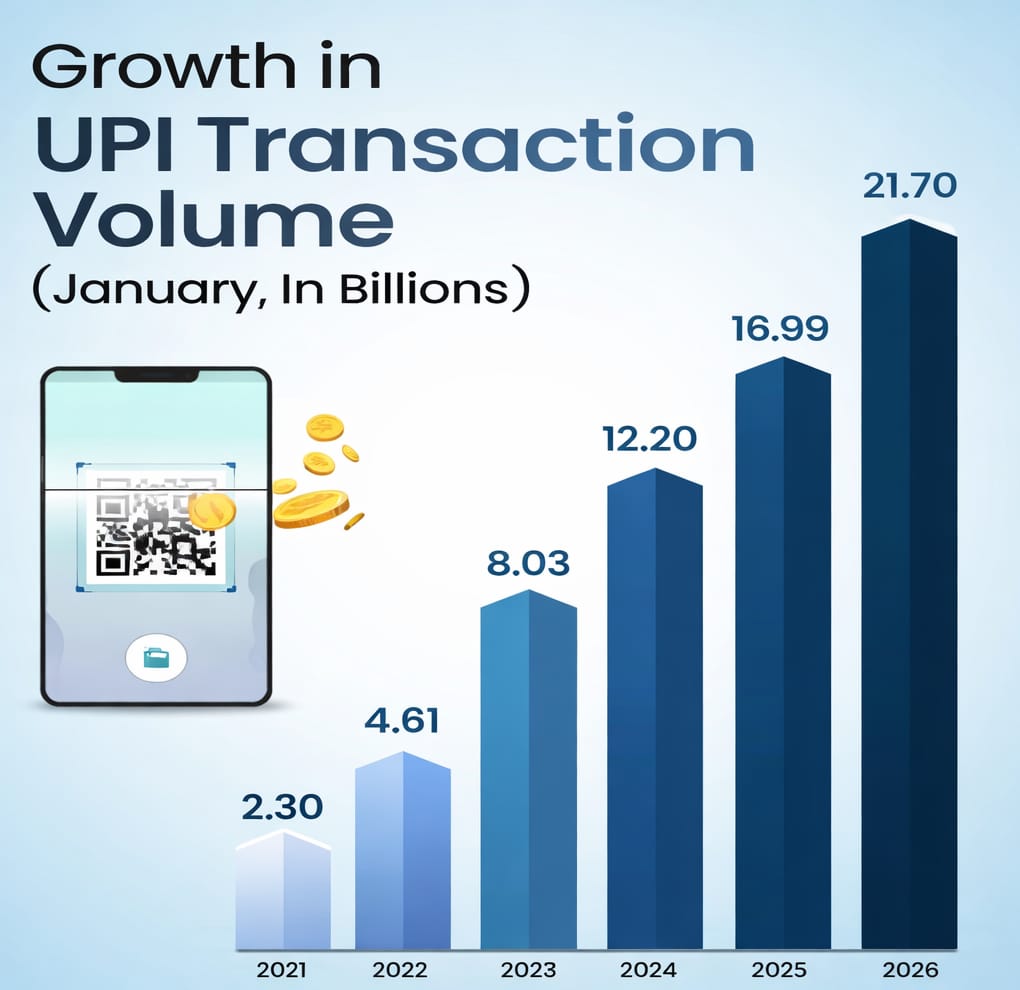
India has transformed its administrative framework by digitizing approvals at both central and state levels. Through unified single-window portals, businesses can navigate the regulatory journey electronically, ensuring unmatched transparency and operational speed. India’s digitized fiscal and trade infrastructure boosts business competitiveness by facilitating smoother goods movement and more efficient tax compliance. By transitioning approvals and tracking systems to high-speed digital gateways, the traditional bottlenecks have been removed leading to a transparent trade environment. The Digital Public Infrastructure (DPI) in India enables secure and co-ordinated interactions between people, businesses and governments.This integrated ecosystem dramatically reduces operational friction and enhances the Ease of Doing Business through instant, secure, and transparent digital interactions. UPI is a real-time payment system that enables instant money transfers between bank accounts through a mobile application. UPI brings multiple bank accounts into a single app and supports various features such as fund transfers, merchant payments, and peer-peer payment requests, making digital transactions quick and convenient. It promotes ease of doing business with safe and quick payments, ensuring privacy and provides QR code convenience. The system connects 691 banks on a single platform allowing people to make payments easily without worrying about which bank they use. In January 2026 alone it handled 21.70 billion transaction amounting to ₹ 28.33 lakh crore. UPI with other public digital infrastructure has reduced transaction and compliance costs.

India’s digital reforms have fundamentally transformed the business environment, making approvals, registration, and trade processes seamless and efficient. Enhanced transparency, faster compliance, and real-time data flow have strengthened organisations’ confidence and operational ease. Robust digital infrastructure is fostering innovation, reducing costs, and enabling smooth interactions between businesses, citizens, and government. These initiatives collectively position India as a secure, efficient, and highly attractive destination for enterprise setup and growth.