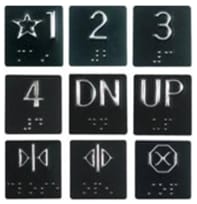
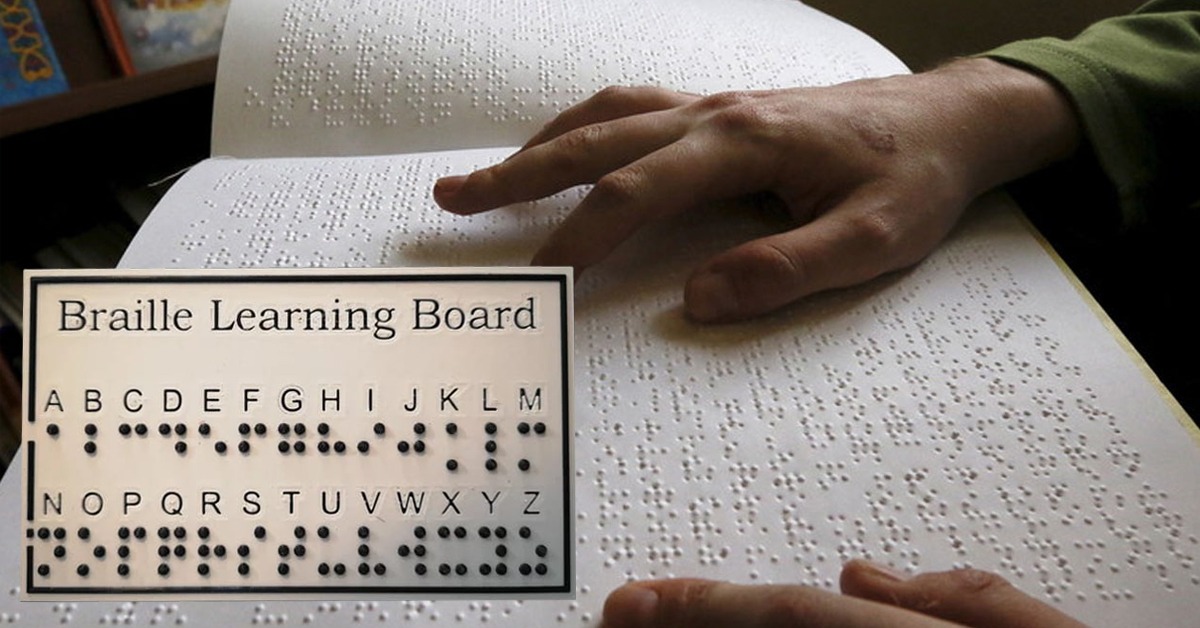
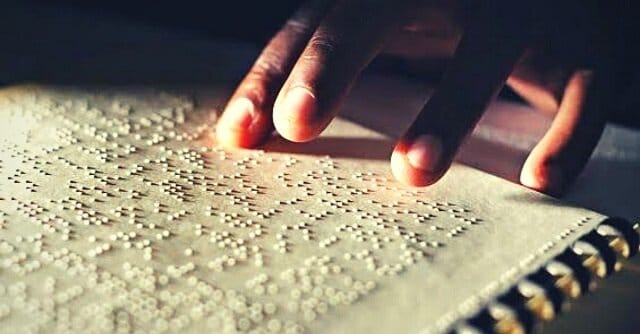
New Delhi: Braille is a tactile writing and reading system used by people who are blind or have low vision. It is based on a six-dot cell, arranged in two columns of three dots each. Different combinations of raised dots represent letters, numerals, punctuation marks and symbols, enabling users to read through touch. Braille (named after its inventor in 19th century France, Louis Braille) is not a language but a code that allows multiple languages to be read and written in tactile form.
Braille plays a vital role in ensuring literacy, independence, and empowerment for persons with visual impairment. It is central to inclusive education and equal participation in social and economic life. India, as a State Party to the UN Convention on the Rights of Persons with Disabilities (UNCRPD), is committed to ensuring access to information and education in accessible formats, including Braille.
The Government of India has established a comprehensive ecosystem to promote the development, dissemination, and use of Braille as a vital tool for inclusion and empowerment of persons with visual impairment. Rooted in constitutional commitments to equality, dignity, and social justice, these initiatives span education, social welfare, skill development, and digital accessibility.
India’s Braille ecosystem is anchored in a rights-based legal framework through the Rights of Persons with Disabilities Act, 2016. The Act mandates inclusive education for persons with disabilities, making Braille access and literacy a core requirement.
Inclusive education as a duty of educational institutions: The Act requires educational institutions funded/recognised by government to ensure inclusive education and accessible infrastructure (buildings/ campus/ facilities), reasonable accommodation, and appropriate support.
Braille and communication modes in schooling: For students who are blind (or deafblind), the Act stresses education in the most appropriate languages and modes/means of communication and explicitly supports Braille and related formats. Free learning material and assistive devices (up to 18 years): The Act includes measures such as providing books/learning materials and assistive devices free of cost for students with benchmark disabilities.
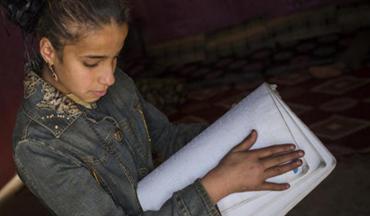
Observed every year on 4th January, World Braille Day foregrounds Braille not merely as a reading system, but as a gateway to education, dignity and equal participation for persons with visual disabilities. World Braille Day underscores a simple but powerful truth: access to information determines access to opportunity. India’s evolving Braille ecosystem is rooted in law, strengthened by institutional mechanisms and aligned with the United Nations’ rights-based vision. By standardising Braille and investing in accessible learning materials, India is further strengthening the foundations of inclusive education. Integrating tactile information across public services and building professional capacity are further helping transform constitutional principles into meaningful, lived accessibility. As these efforts further expand, Braille is increasingly recognised not just as a niche accommodation, but as a vital bridge to equality, participation and dignity for persons with visual disabilities.