
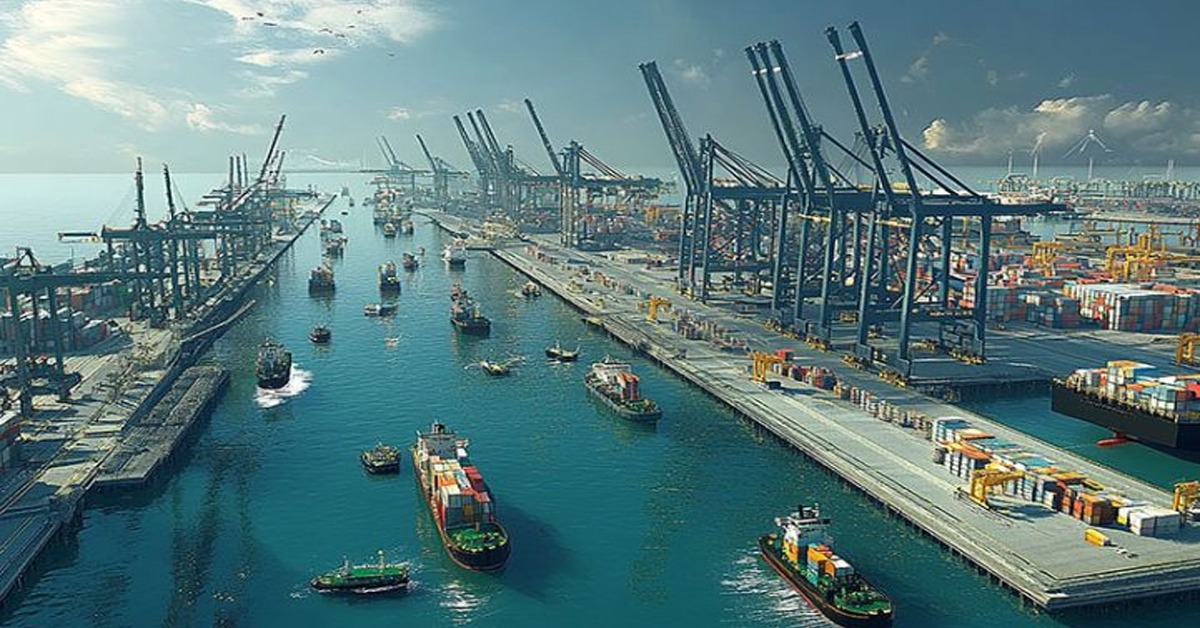
New Delhi: As a critical constituent of the infrastructure sector, ports account for nearly 95% of external trade by volume. During FY2024-25, India’s major ports handled 855 million tonnes of cargo-up from 581 million tonnesin FY 2014–15, reflecting a decadal growth of 47.16%. India’s ports are expanding rapidly to support economic growth in line with vision of Atmanirbhar Bharat, yet this surge intensifies environmental pressures. Ports are among the major sources of air and water pollution, and greenhouse gases (GHGs), putting stress on the rich biodiversity and marine life found in the mangroves, lagoons, coral reefs, and beaches along the coast.
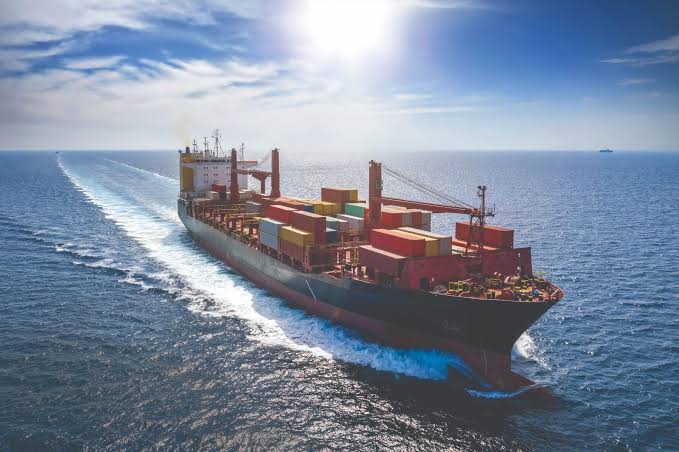
Hence, if India is to achieve its vision of Atmanirbharta, while also meeting its overall Intended Nationally Determined Contributions ((INDCs) under climate change negotiations, the maritime sector needs to work towards a plan for achieving sustainability. Additionally, global maritime organizations have also set targets for the shipping industry. For example, the International Maritime Organization (IMO) is aligned with 9 UN Sustainable Development Goals for safe, efficient, and sustainable ports, and has set a target of 40% CO2 reduction from shipping sector by 2030.
Empathetic Listening emerges as New Profession amid rising Elderly Loneliness in Kolkata
The idea of Green Maritime in India grew from the need to be aligned with such national and global priorities and commitments, HSE (Health, Safety, and Environment) standards, and the growing focus to make port operations safer, cleaner, and more sustainable.
To embed “green” in its approach, the obsolete Indian Ports Act, 1908 has been repealed and replaced by the Indian Ports Act, 2025, a modern statute institutionalizing cleaner, greener, and sustainable maritime operations.
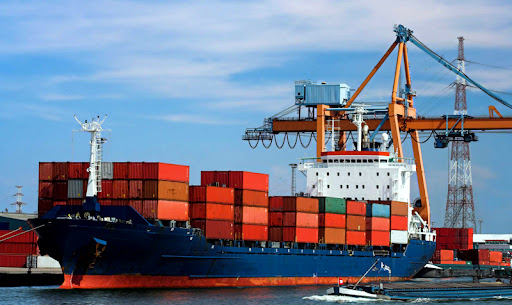
The strategy and plan for achieving these goals lie in the Maritime India Vision (MIV) 2030, launched by the Ministry of Ports, Shipping and Waterways in 2021. It lists The Indian Ports Act, 2025, which replaces the colonial and outdated Ports Act 1908, mandates adherence to global green norms, strengthening environmental safeguards in maritime operations. It introduces robust pollution control and disaster readiness measures to promote sustainable, eco- friendly port practices and reduce the sector’s environmental footprint. It also aligns withThe International Convention for the Prevention of Pollution from Ships (MARPOL)and Ballast Water Management.
150 initiatives for for building a sustainable maritime ecosystem and serves as the blueprint for coordinated and accelerated growth of India’s maritime sector over the next decade.It places a lot of focus on building a Safe, Sustainable and Green Maritime Sector and has identified key interventions like increasing usage of renewable energy, reducing air emissions, optimizing water usage, improving solid waste management, zero accident safety program, and centralized monitoring system to achieve this.
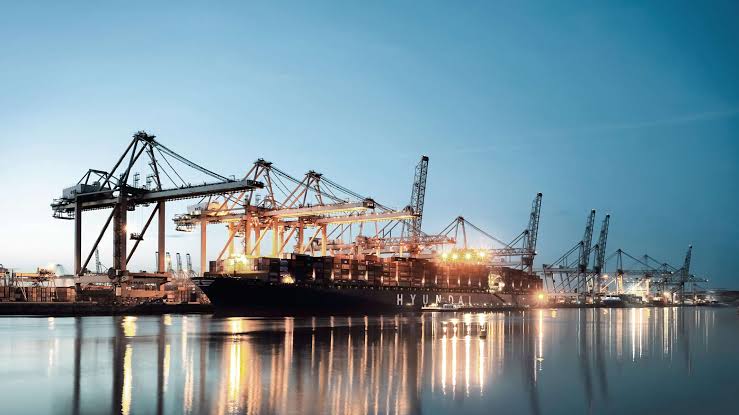
Additionally, long term vision and strategy for green ports is also anchored in Maritime Amrit Kaal Vision 2047, which is a long-term roadmap for India’s maritime resurgence, with investments of nearly ₹80 lakh crore earmarked for ports, coastal shipping, inland waterways, shipbuilding, and green shipping initiatives. Outlining more than 300 actionable initiatives, it projects India’s rise as one of the world’s top maritime and shipbuilding powers by the centenary of independence, anchored in sustainability.
The Harit Sagar Green Ports Guidelines of 2023 align with the targets set under the Maritime India Vision (MIV) 2030, and with India’s COP26 commitments to reduce emission intensity by 45% by 2030 and achieve net-zero by 2070. They serve as a comprehensive framework to help Indian ports develop safe, efficient, green, and sustainable operations.
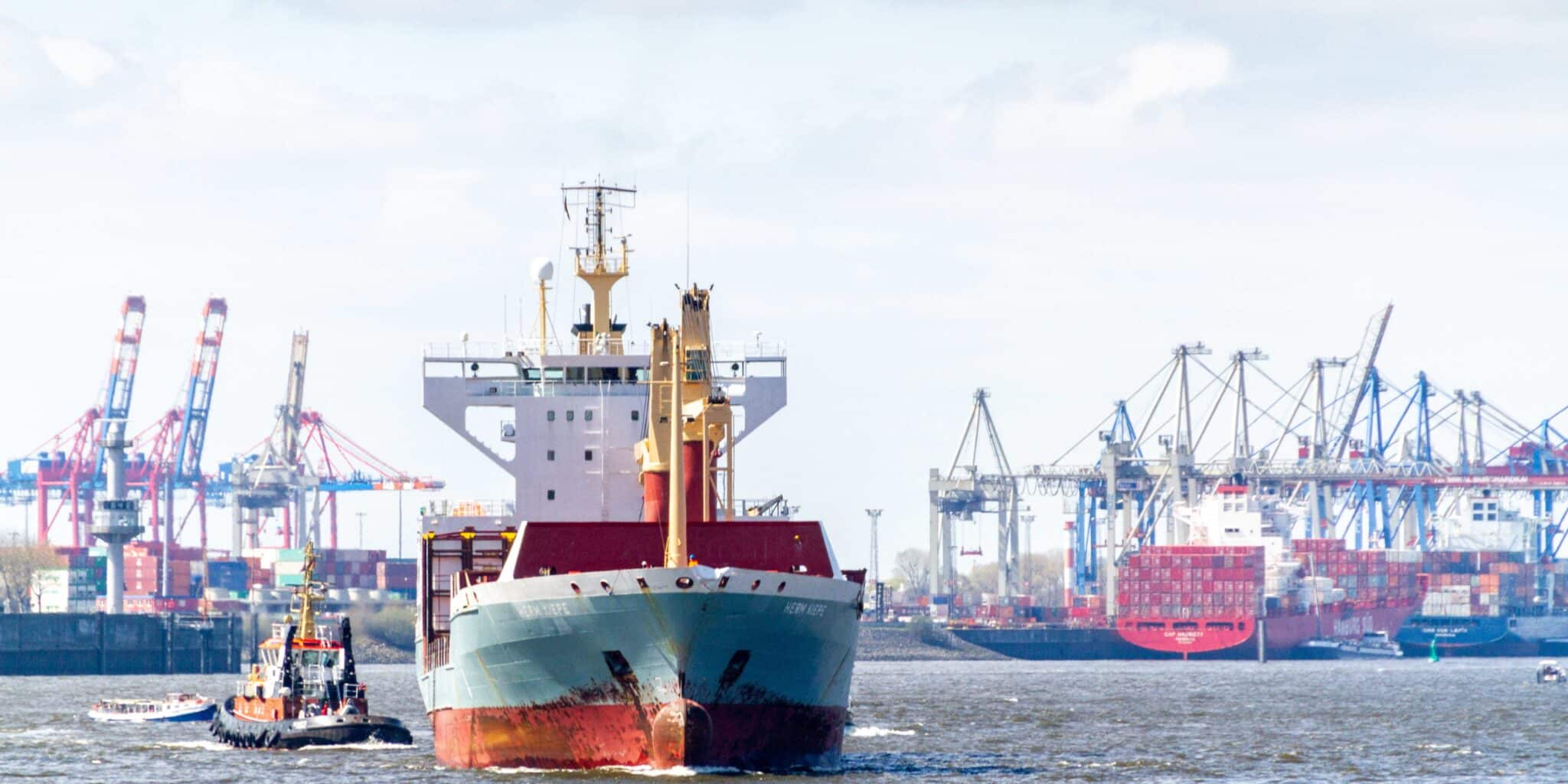
Salient features include:
1) Ports must reduce carbon emissions per ton of cargo by 30% by 2030 and 70% by 2047.
2) Ports must increase the share of renewable energy to over 60% by 2030 and over 90% by 2047. As of 2025, New Mangalore Port has achieved 100% solar power integration, serving as a benchmark for renewable adoption.
3) Ports must electrify more than 50% of port equipment and vehicles by 2030, rising to over 90% by 2047.
4) Ports must expand green cover by over 20% by 2030 and over 33% by 2047 to improve environmental quality.
5) Ports must ensure shore-to-ship power supply is available to all vessels in phases, reaching EXIM vessels by 2025.
6) Ports must achieve 100% wastewater reuse and reduce freshwater consumption by over 20% by 2030 through better resource management.