
Journalist
Bangladesh is facing one of the most serious challenges to press freedom in its modern history. Over the past year, journalists and media organisations across the country have been subjected to escalating violence, legal intimidation, and targeted attacks on news infrastructure. What began as assaults on individual reporters has evolved into coordinated attacks on media institutions, raising alarm among press-freedom advocates worldwide.
Escalation from Individual Attacks to Institutional Targeting:
In recent months, the nature of violence against the media in Bangladesh has changed dramatically. Journalists covering political unrest, protests, corruption, and governance issues were initially subjected to physical assaults, threats, and arbitrary detention. However, this violence has increasingly shifted toward media organisations themselves.
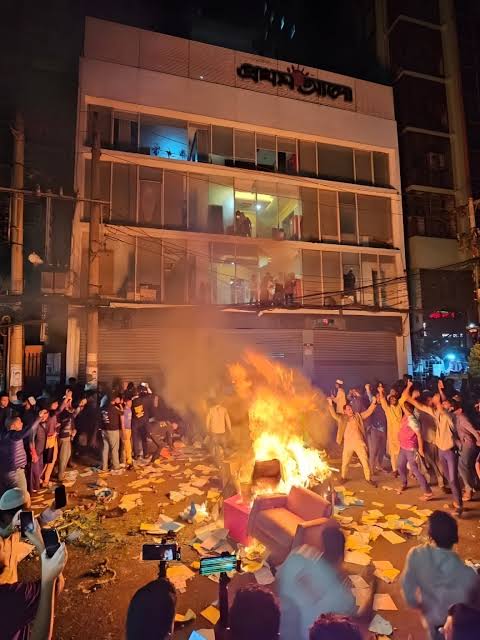
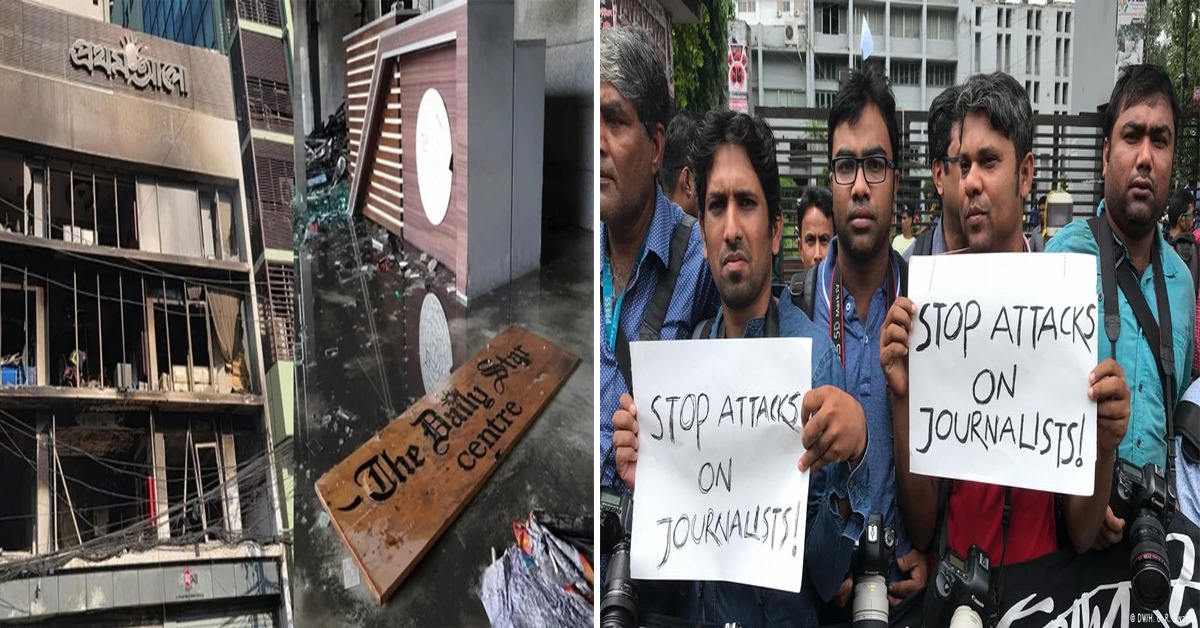
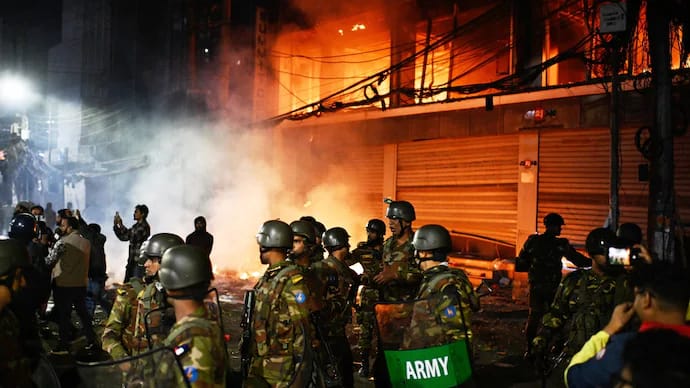
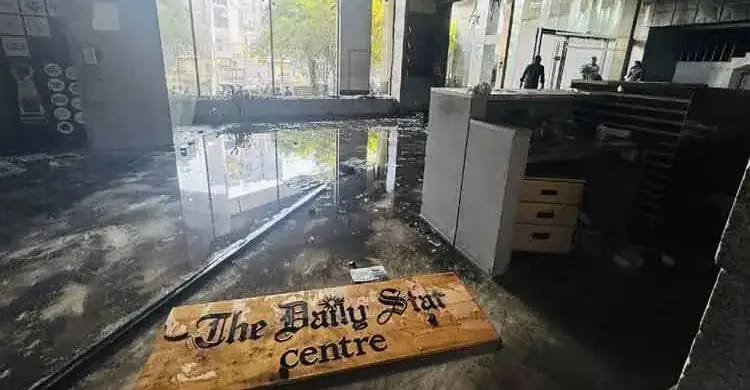
In December 2025, mobs attacked the offices of major newspapers in Dhaka, vandalising buildings, looting equipment, setting parts of newsrooms on fire, and forcing printing presses to shut down. Journalists were trapped inside their offices, and publication was suspended for the first time in decades. These incidents marked a critical escalation; attacks not just on reporters, but on the very infrastructure of independent journalism.
Documented Scale of Repression:
Data compiled by Transparency International Bangladesh (TIB) highlights the breadth of the crisis. Between August 2024 and November 2025, at least 1,073 journalists and media workers were affected by repression in 476 documented incidents nationwide. According to these findings 459 journalists were physically assaulted in 259 incidents,
99 journalists received direct threats,
27 journalists were detained in connection with their works,
70 journalists faced harassment.
Family members of 17 journalists were attacked or had their homes vandalised
189 journalists were dismissed, suspended, or forced out of their jobs. At least six journalists were killed while performing their professional duties. These figures indicate a persistent and nationwide pattern rather than isolated or spontaneous acts of violence.
Your Money, Your Right: Reclaiming Forgotten Financial Assets
Legal Harassment and Criminalisation of Journalism:
Alongside physical attacks, journalists in Bangladesh are increasingly facing legal persecution. Hundreds have been named in criminal cases, many of which press- freedom organisations describe as politically motivated or lacking credible legal basis. The filing of multiple cases against individual journalists has become a common tactic, effectively trapping them in prolonged legal battles. Detentions, denial of bail, and the threat of imprisonment have created a climate of fear that encourages self- censorship and forces some journalists to abandon the profession entirely.
Attacks on Newsrooms, A Dangerous Precedent:
The torching and vandalisation of newspaper offices represent a particularly alarming development. Attacks on media buildings signal an attempt to silence journalism at its source. When presses are shut down and newsrooms destroyed, the consequences extend beyond journalists to the broader public, cutting off access to verified information during moments of political instability. Such attacks undermine public trust, create information vacuums, and increase the risk of misinformation and disinformation filling the void.
Systemic Pattern, Not Isolated Chaos:
While some observers have questioned whether these events represent a coordinated conspiracy, the available evidence points to a broader systemic failure. Violence by mobs, legal intimidation, economic pressure, job losses, and attacks on infrastructure are occurring simultaneously and repeatedly. Whether driven by political polarisation, weakened rule of law, or deliberate tolerance of violence against the press, the outcome is clear. Space for independent journalism in Bangladesh is rapidly shrinking. The lack of accountability for those responsible has further emboldened attacks on the media.
Why This Crisis Matters Beyond Bangladesh:
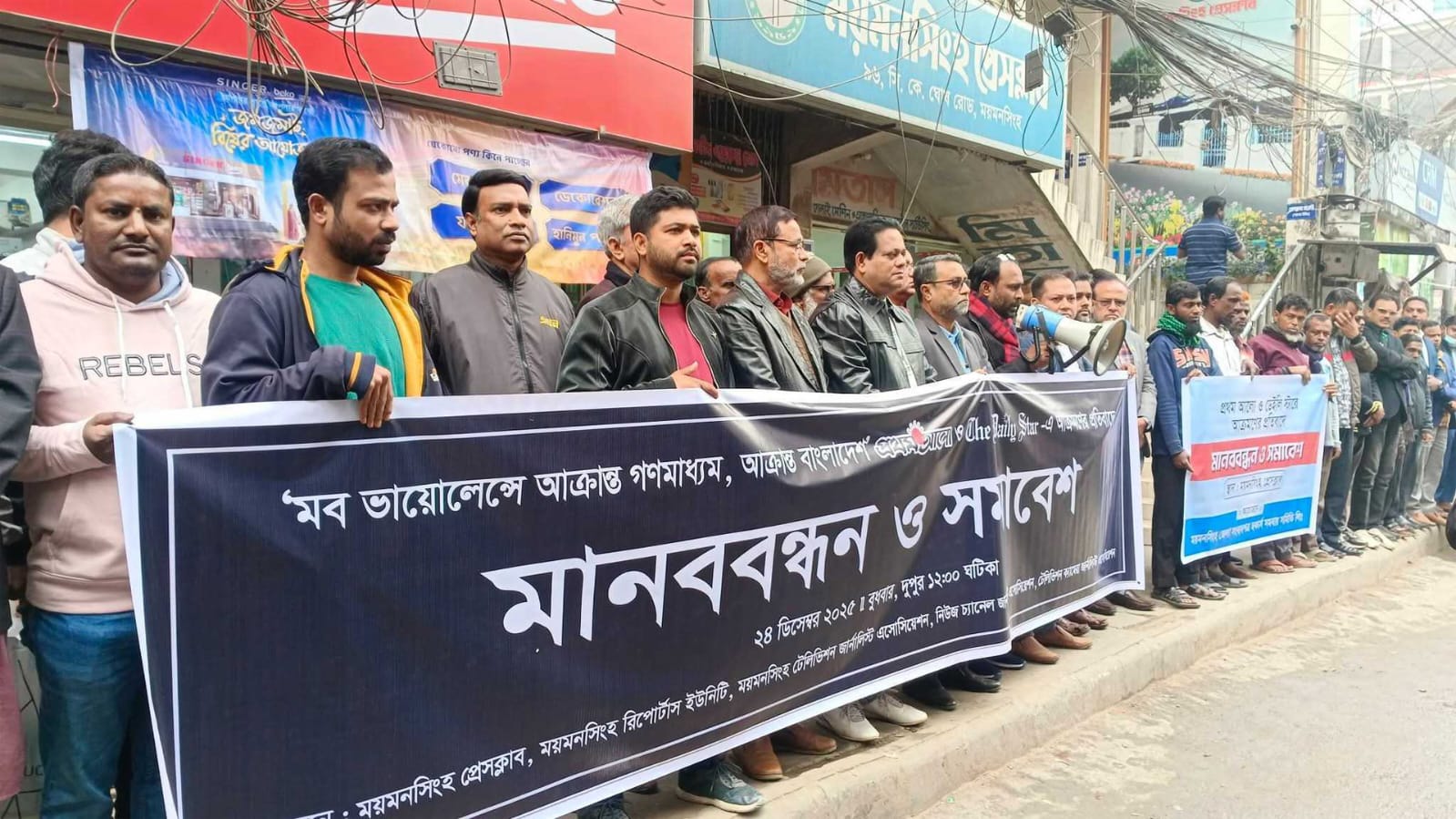
Press freedom is a fundamental pillar of democratic governance and a core human right. When journalists are assaulted, jailed, or killed, it is not only an attack on individuals but on the public’s right to information. Bangladesh’s media crisis has implications far beyond its borders. As a key country in South Asia, sustained repression of journalism there sets a troubling precedent for the region and weakens global efforts to uphold freedom of expression and democratic accountability.
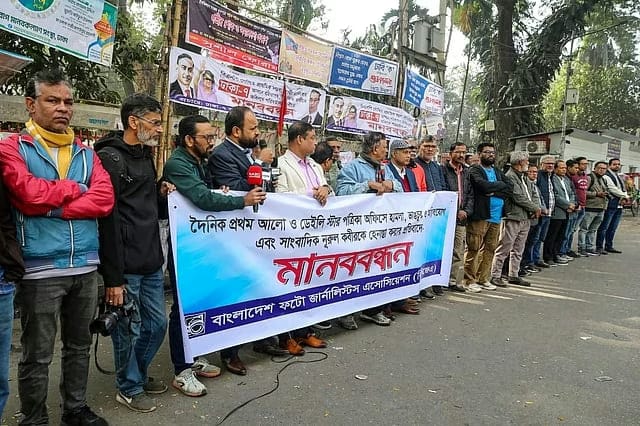
With more than 1,000 journalists affected, hundreds assaulted or threatened, dozens detained, media offices attacked, and journalists killed, Bangladesh is facing a profound press-freedom emergency. These developments are not isolated incidents but interconnected elements of a broader erosion of protections for independent media. Without urgent action to ensure accountability, protect journalists, and uphold the rule of law, the consequences will extend beyond the media sector undermining democratic norms and the public’s right to know.