
Journalist
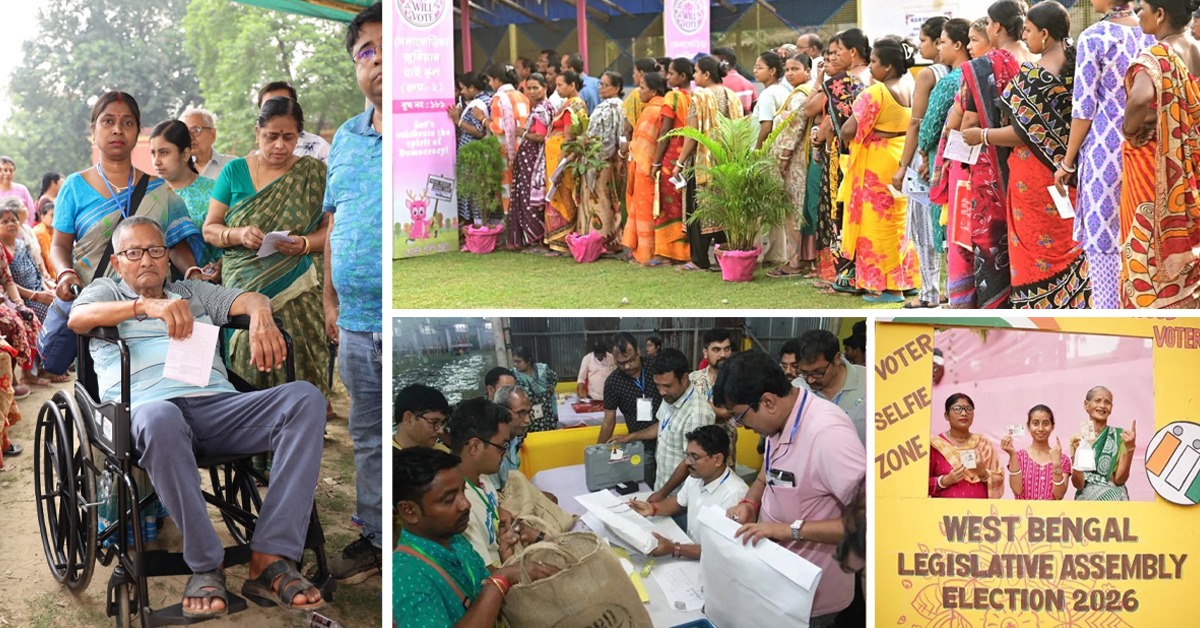
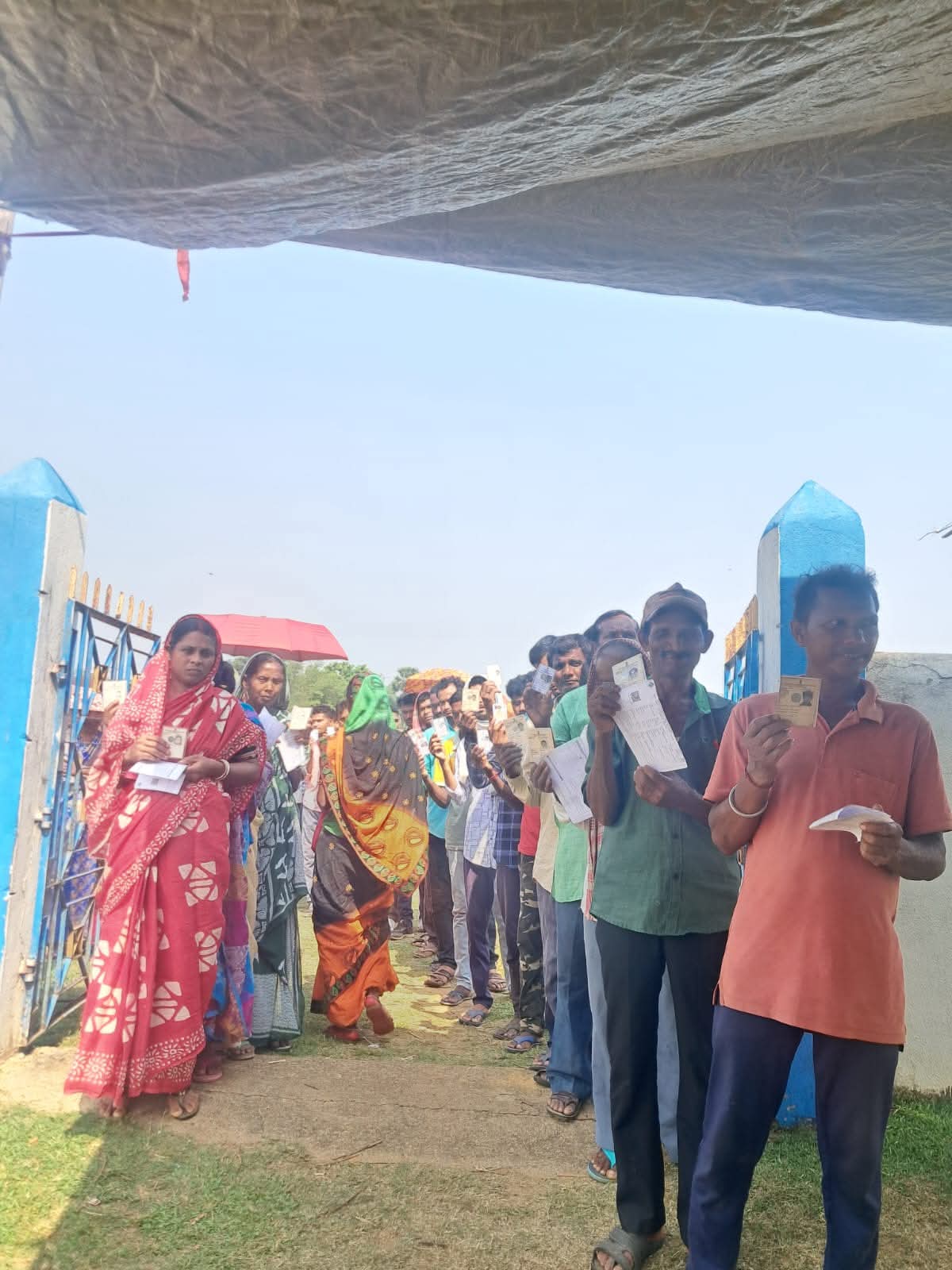
West Bengal has once again done what it does best— vote in overwhelming numbers. The first phase of the high-voltage Assembly elections has recorded an extraordinary turnout, brushing past 93 per cent across 152 constituencies and touching an astonishing 96.6 percent in pockets. In a state where political participation is almost a cultural reflex, high turnout is not novel. Yet, the scale this time, unfolding under oppressive heat and an equally charged political climate, demands closer scrutiny.
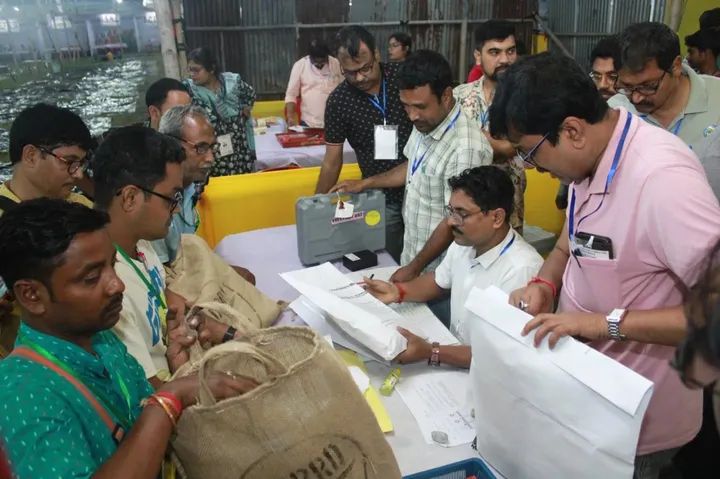
It is tempting—almost reflexive—for political actors to read such numbers as a referendum. The opposition, particularly the BJP, has been quick to interpret the surge as a groundswell of anti-incumbency. The ruling Trinamul Congress, led by Mamata Banerjee, has countered with equal conviction, framing it instead as a mass repudiation of what it calls “anti-Bengal” politics and the controversial SIR-driven voter list revisions. Both readings, however, risk oversimplification.
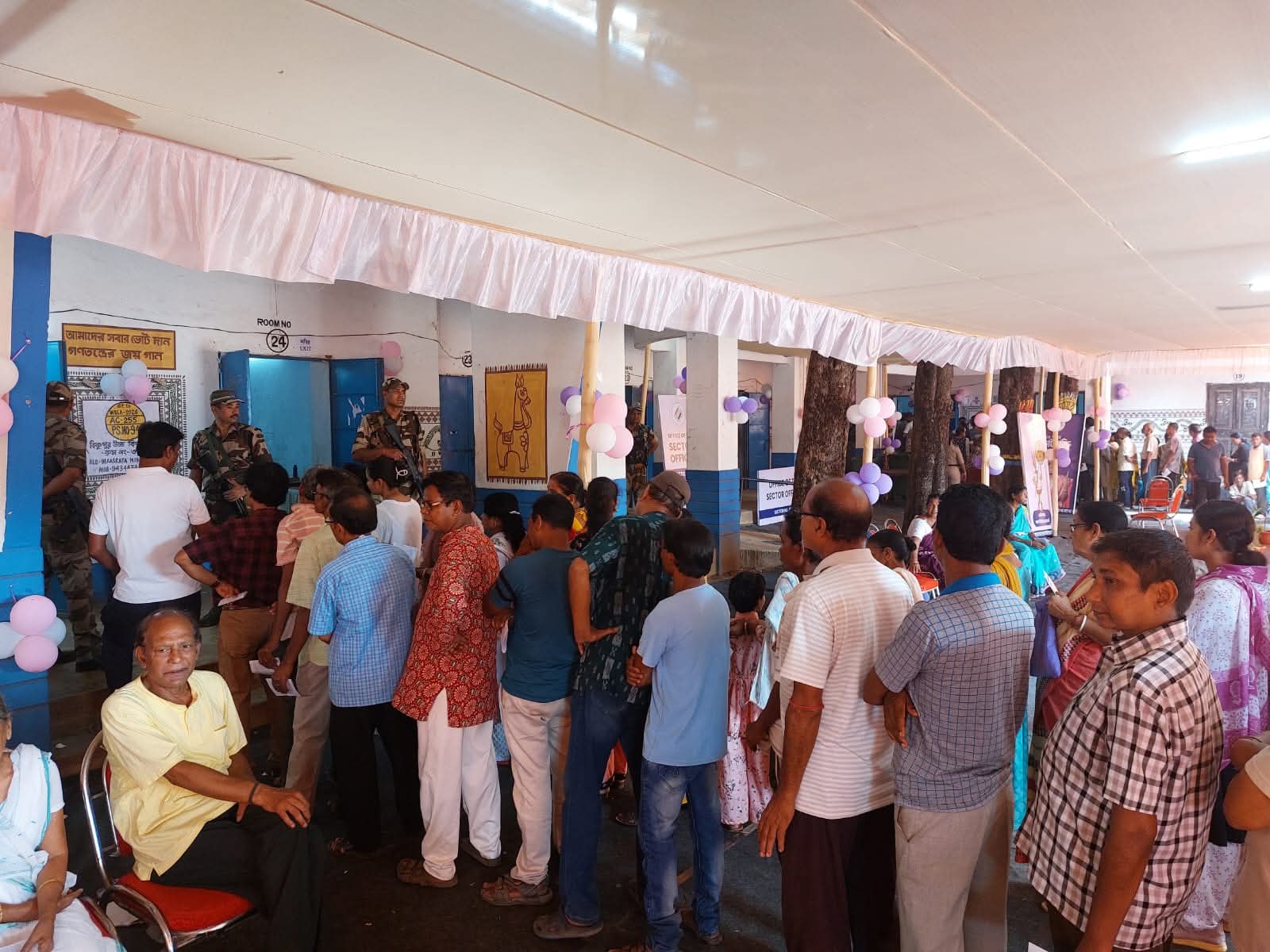
Bengal’s electoral history resists such linear interpretations. Turnout has consistently remained high, often breaching 80 per cent in both Assembly and general elections. Notably, in 2021 and again in 2024, robust participation coincided not with regime change but with the consolidation of the incumbent. High turnout, in Bengal, is less a barometer of political anger and more an expression of entrenched civic engagement— an electorate that shows up regardless of who it supports.
This time, however, there is an additional statistical wrinkle. The deletion of over 91 lakh names from the electoral rolls following the implementation of SIR has effectively shrunk the voter base. With a lower denominator, even marginal increases in absolute voter participation can inflate percentage figures. The headline number, therefore, must be read with caution; it may not entirely reflect a dramatic behavioural shift.
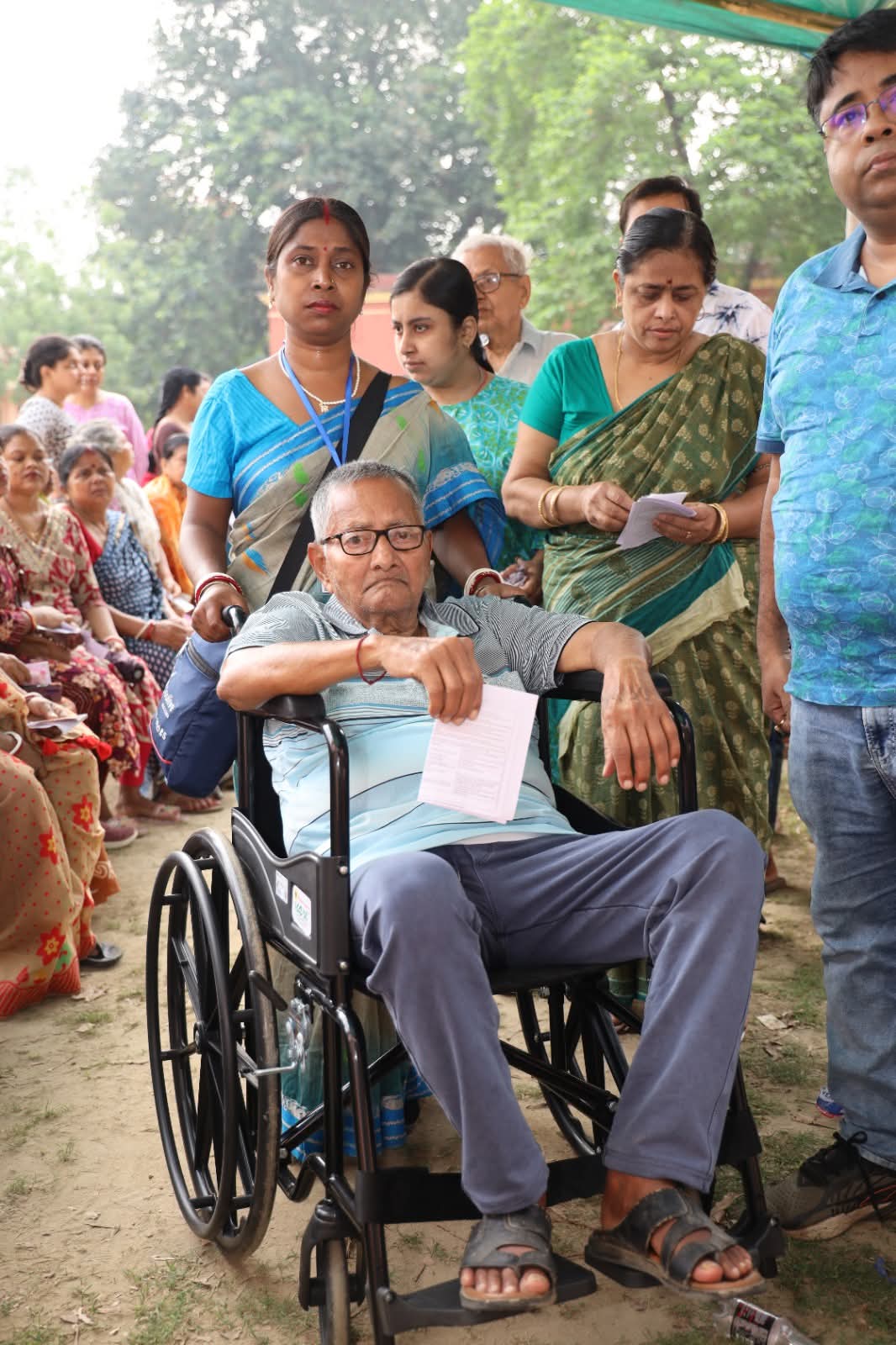
Yet, beyond the arithmetic lies a more textured political reality—one that unfolded, at times, dramatically on polling day. Reports from the ground painted a picture that complicates the narrative of a sweeping anti-incumbent wave. Incidents such as the alleged manhandling of a BJP candidate in Kumarganj, or the spectacle of opposition leader Suvendu Adhikari being chased away amid slogan-shouting crowds, raise uncomfortable questions. If discontent were indeed surging in favour of the opposition, why did its visible support appear so fragile in these moments? Why were booths reportedly unmanned, and why did party workers seem conspicuously absent in areas of supposed strength?
These are not isolated curiosities; they strike at the heart of electoral mobilisation. High turnout, after all, is not just about voters showing up— it is also about parties ensuring their presence, protecting their turf, and energising their base. The asymmetry observed on polling day hints at an organisational gap that numbers alone cannot conceal.
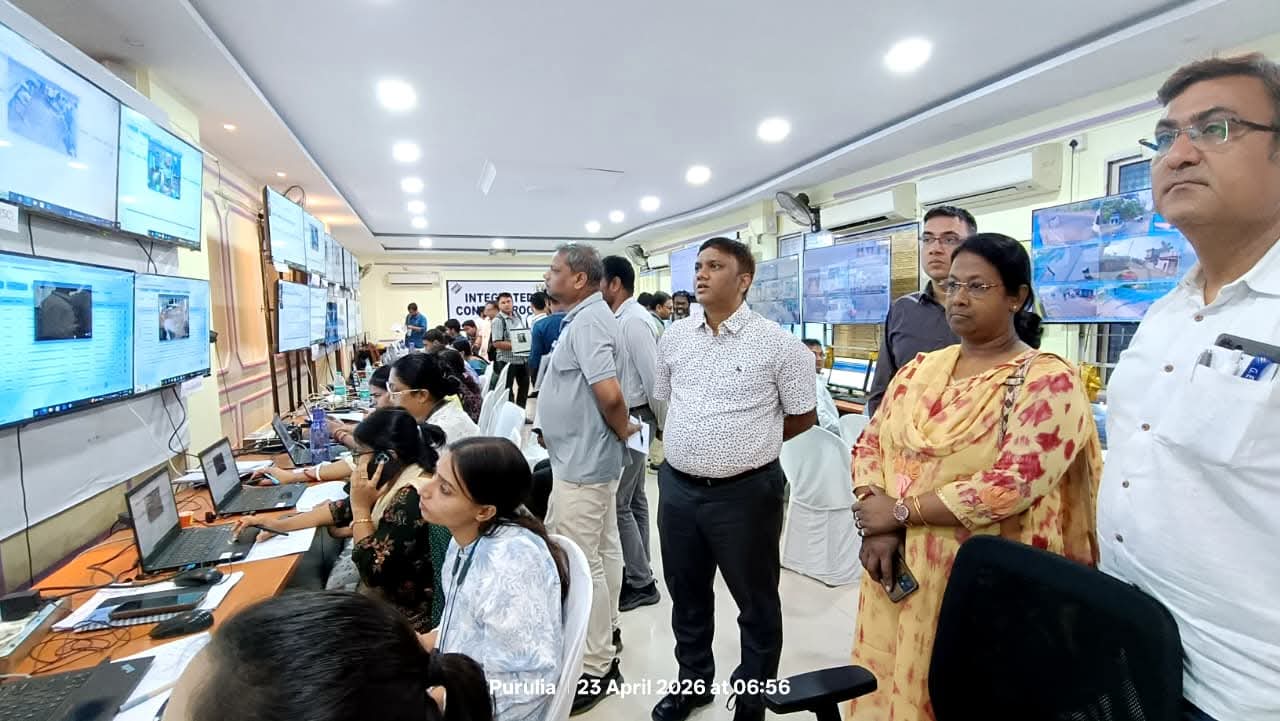
Equally significant is the gendered dimension of this electoral exercise. With women’s turnout reportedly exceeding 92 per cent, the silent but decisive weight of female voters looms large. Over the past decade, Mamata Banerjee’s government has invested heavily in women-centric welfare schemes, from direct cash transfers to social security initiatives. Long queues outside polling booths, many dominated by women, may well signal the consolidation of a constituency that has repeatedly demonstrated its electoral clout.
None of this conclusively settles the question of electoral outcome. High turnout can amplify both support and dissent; it can energise incumbents just as it can embolden challengers. But to view it through a single political lens is to miss the complexity of Bengal’s political sociology.
What the numbers do reveal, unequivocally, is a state deeply invested in the democratic process— even when conditions are far from ideal. What they do not reveal, at least not yet, is the direction of that investment.
In Bengal, turnout is a story. But it is never the whole story.