
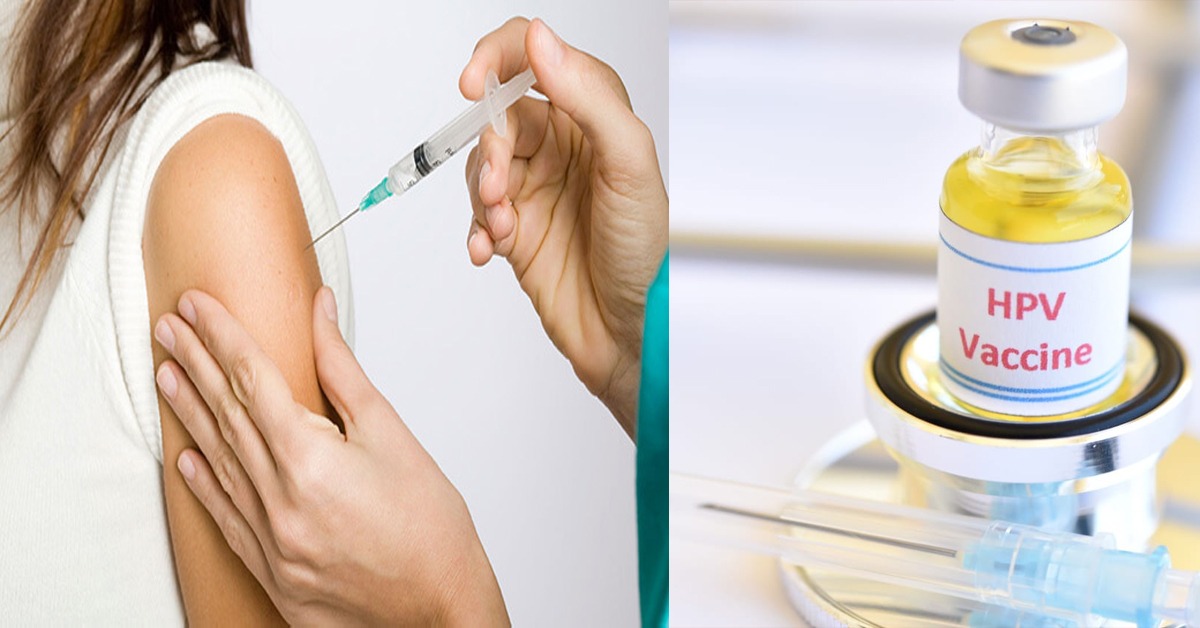
New Delhi: Prime Minister Narendra Modi launched a nationwide HPV Vaccination Programme on February 28, 2026, at Ajmer, Rajasthan for the prevention of cervical cancer among women. Following the national launch, States and Union Territories simultaneously conducted their own HPV vaccination launch events on the same day. Vaccines will be available free-of-cost at government facilities to approximately 1.15 crore girls aged 14 years across all States and UTs.
Girls who turn 15 within 90 days of the launch will also be eligible under the intensive three-month campaign. The 90-day vaccination drive will run daily to ensure maximum coverage. Thereafter, the vaccine will continue to be available on routine immunisation days.
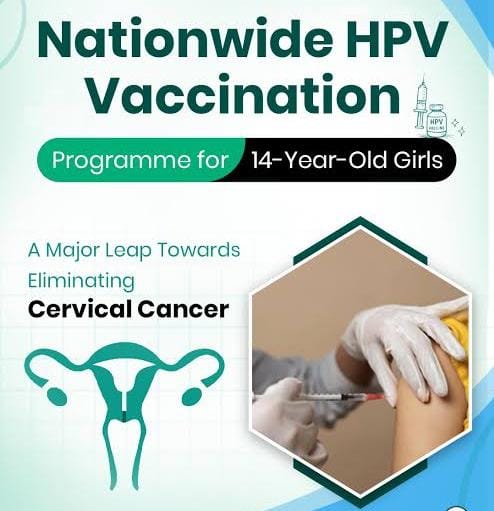
Cervical cancer is the fourth most common cancer in women globally, with around 660,000 new cases and around 350,000 deaths in 2022. Cervical cancer is caused by persistent infection with the Human Papillomavirus. Cervical cancer disproportionately affects younger women — 20% of children who lose their mother to cancer do so due to cervical cancer.
In India specifically, it is the second most common cancer among women, with over 1,20,000 new cases and nearly 80,000 deaths annually as per GLOBOCAN 2022 data. India accounts for 25% of global cervical cancer deaths. One in every five women globally who suffers from cervical cancer is from India. India ranks fourth globally in cervical cancer-related morbidity.
Cervical cancer is caused by Human Papillomavirus (HPV) — the only cancer preventable by a vaccine, if administered timely. Scientific evidence establishes that almost all cases are caused by persistent infection with high-risk HPV types, particularly types 16 and 18, which account for more than 80% of cervical cancer cases in India.
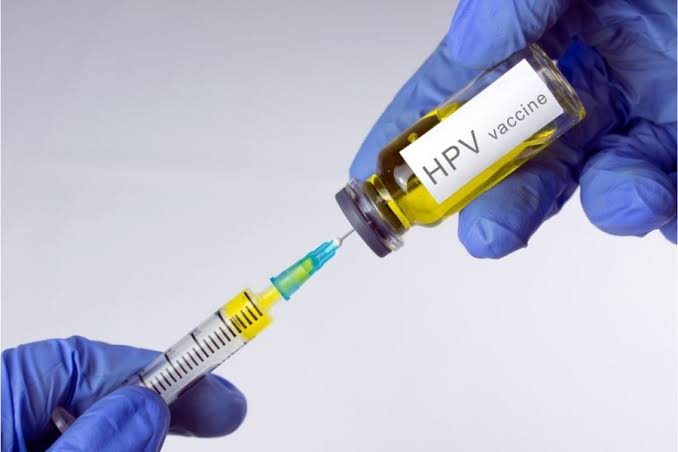
India’s national programme is using Gardasil, a quadrivalent HPV vaccine that protects against HPV types 16 and 18 (which cause cervical cancer), as well as types 6 and 11. The vaccine is approved by India’s drug regulator and meets stringent quality and cold-chain standards. To ensure uninterrupted supply and uncompromised quality, the vaccine is being procured through a transparent mechanism in partnership with GAVI, the Vaccine Alliance. The vaccination is given to young girls at the age of 14, before they become sexually active.
Vaccination is available only at Government Health Facilities with a functional Cold Chain Point (CCP), a dedicated medical officer for Adverse Events Following Immunisation (AEFI) management, and internet connectivity. Session timings are generally 9:00 AM to 2:00 PM and may be held on public holidays and weekends. All sites are linked to the nearest 24×7 government health facility for immediate medical support. Girls should not be on an empty stomach before vaccination. They must be kept under observation for 30 minutes post-vaccination.
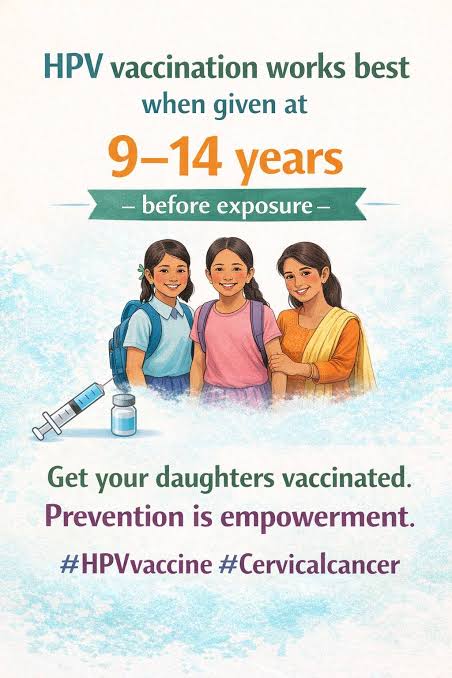
HPV vaccines are among the most extensively studied vaccines globally, with more than 500 million doses administered worldwide since 2006. The vaccine is 93–100% effective in preventing cervical cancer caused by the HPV types it covers. With this launch, India joins over 160 countries that have introduced HPV vaccination into their national immunisation schedules.