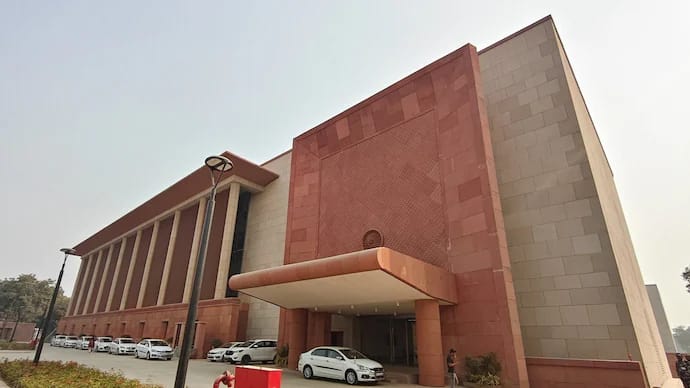
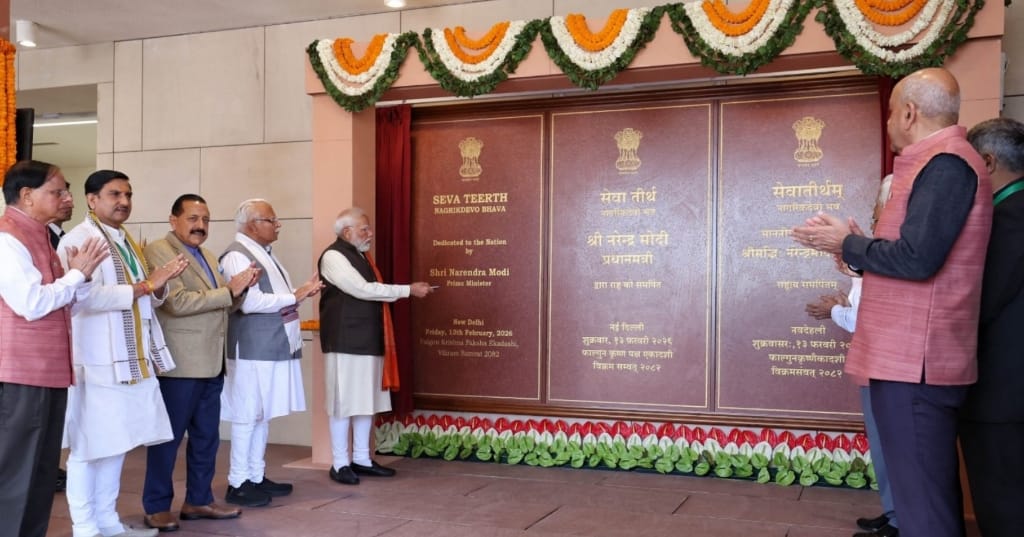
New Delhi: The Prime Minister Narendra Modi dedicated Seva Teerth to the nation, reaffirming his unwavering resolve to serve the people of India and highlighting the sacred spirit of ‘Nagrikdevo Bhava’ as its guiding force.
Shri Modi expressed that the dedication of Seva Teerth reflects a deep commitment towards public service and the welfare of citizens. The Prime Minister said that ‘Seva Teerth’ stands as a radiant and powerful symbol of duty, compassion and commitment to the principle of India First. He expressed hope that it will inspire generations to walk the path of selfless service and tireless dedication to the welfare of all, and continue to motivate people to move forward with dedication for the well-being of every citizen.
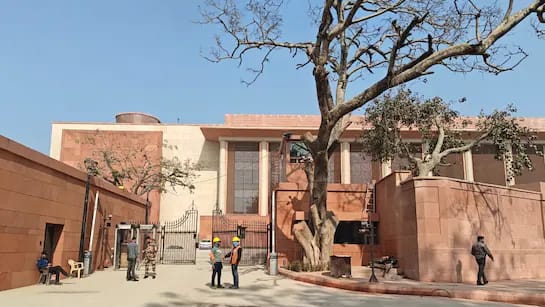
The inauguration marks a transformative milestone in India’s administrative governance architecture and reflects the Prime Minister’s commitment to building a modern, efficient, accessible and citizen-centric governance ecosystem.
For decades, several key government offices and ministries functioned from fragmented and ageing infrastructure spread across multiple locations in the Central Vista area. This dispersion led to operational inefficiencies, coordination challenges, escalating maintenance costs and sub-optimal working environments. The new building complexes address these issues by consolidating administrative functions within modern, future-ready facilities.
COMMUNITY WELFARE AND SOCIAL SECURITY SUPPORT FOR THE ARTISTS
Seva Teerth houses the Prime Minister’s Office, the National Security Council Secretariat, the Cabinet Secretariat, all of which were previously located across different locations. Kartavya Bhavan-1 & 2 accommodate several key ministries, including the Ministry of Finance, Ministry of Defence, Ministry of Health & Family Welfare, Ministry of Corporate Affairs, Ministry of Education, Ministry of Culture, Ministry of Law & Justice, Ministry of Information & Broadcasting, Ministry of Agriculture & Farmers Welfare, Ministry of Chemicals & Fertilizers and Ministry of Tribal Affairs.
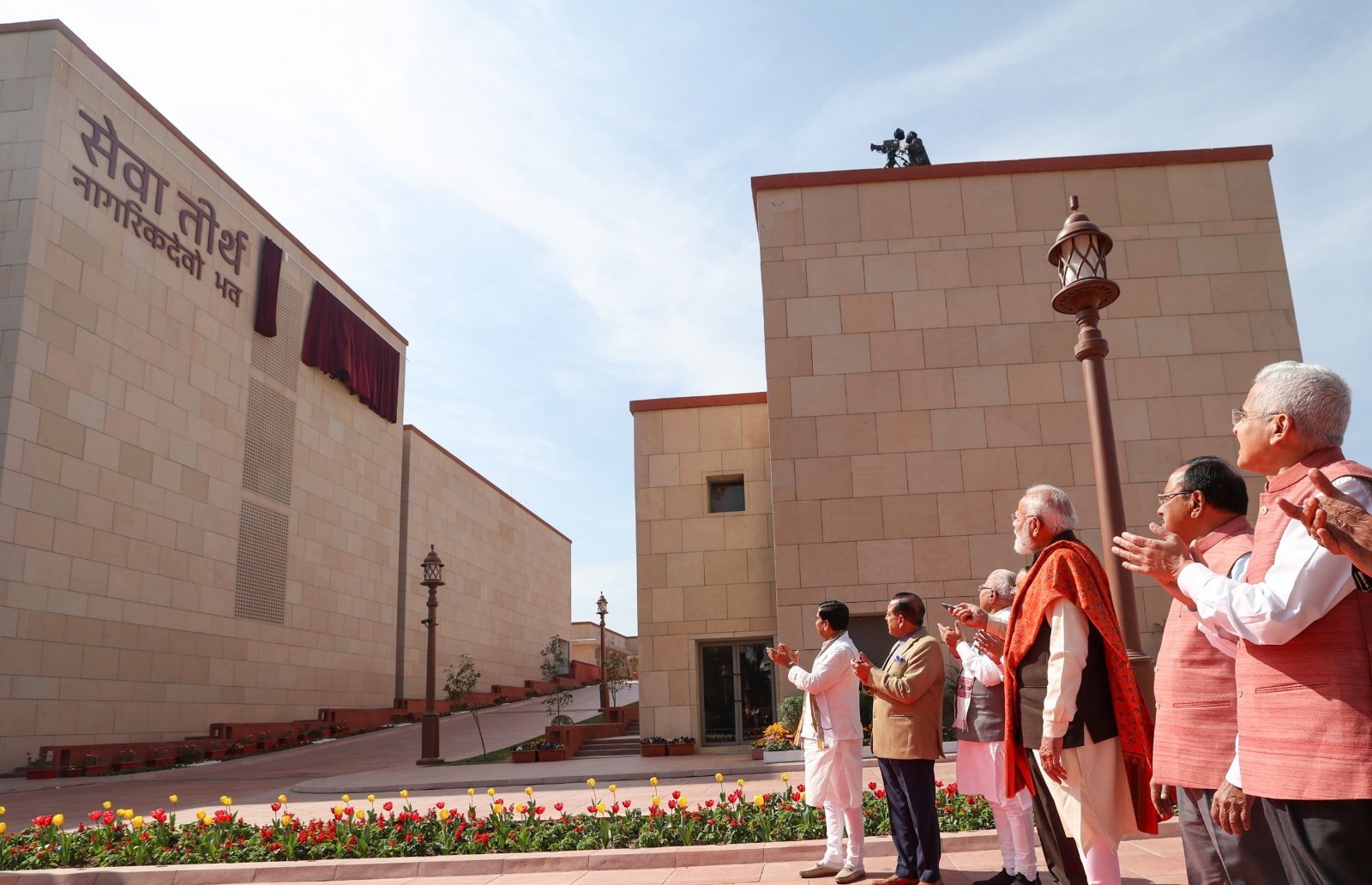
Both building complexes feature digitally integrated offices, structured public interface zones and centralized reception facilities. These features will foster collaboration, efficiency, seamless governance, improved citizen engagement and enhanced employee well-being. Designed in accordance with 4-Star GRIHA standards, the complexes incorporate renewable energy systems, water conservation measures, waste management solutions and high-performance building envelopes. These measures significantly reduce environmental impact while enhancing operational efficiency. The building complexes also include comprehensive safety and security frameworks, such as smart access control systems, surveillance networks and advanced emergency response infrastructure, ensuring a secure and accessible environment for officials and visitors.