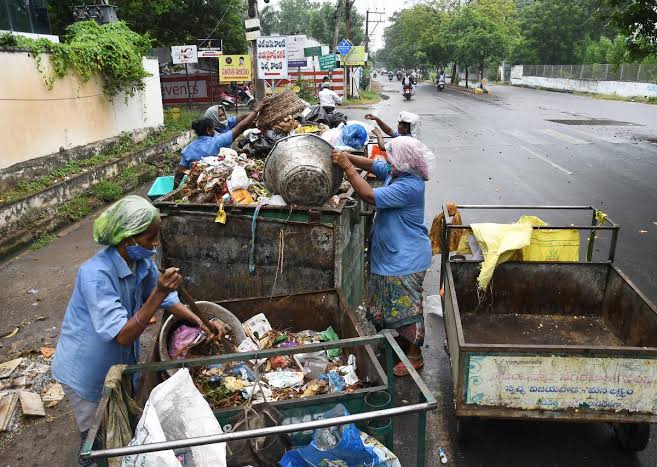
New Delhi: India has seen steady progress in cleanliness over the past few years. Initiatives under the Swachh Bharat Mission have strengthened sanitation and waste management systems across cities, laying the foundation for cleaner urban spaces.
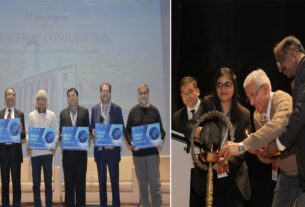
Building on this foundation, efforts are now focused on remediating legacy waste dumpsites. These are large accumulations of waste formed over many years. Eliminating these dumpsites represents the next phase of India’s urban cleanliness efforts. To accelerate this work, the Government of India launched the Dumpsite Remediation Accelerator Programme (DRAP) in November 2025, with the objective of achieving “Lakshya: Zero Dumpsites” by October 2026, with most dumpsites targeted for clearance within this timeframe.
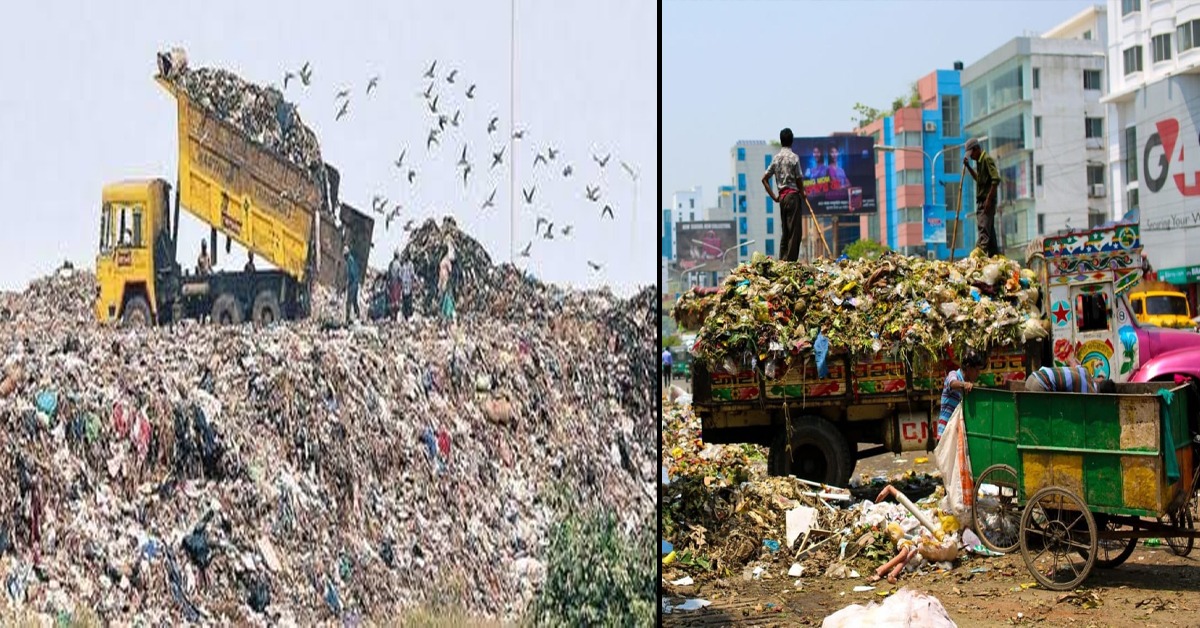
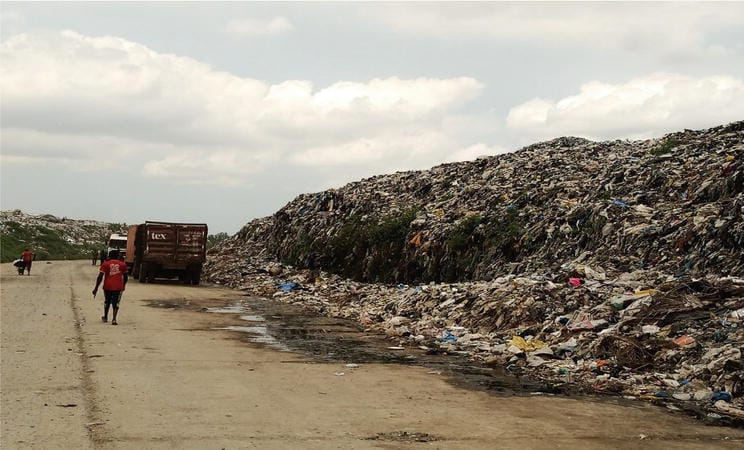
A dumpsite refers to land used by Urban Local Bodies for the disposal of municipal solid waste. Often this waste is accumulated over decades through unscientific disposal. When waste is disposed of in an open dumpsite, it adversely affects the surrounding environment by contaminating groundwater and soil, degrading air quality, and releasing methane, a highly potent greenhouse gas. Such dumpsites also pose fire hazards, attract disease-carrying vectors, and emit toxic fumes, leading to long-term health risks for nearby communities.
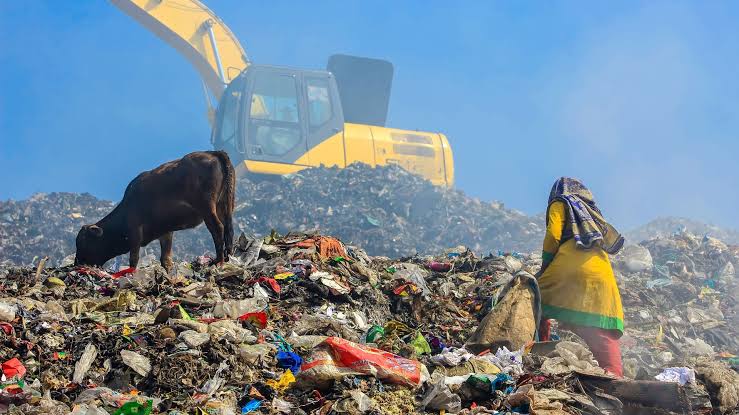
Approximately 2,479 dumpsites have been identified across the country, primarily those containing legacy waste of 1,000 tonnes or more. These sites together contain an estimated~25 crore metric tonnes of accumulated waste, spread across nearly 15,000 acres of land. The scale of legacy waste is compounded by rising urban waste generation. Cities currently produce nearly 1,62,000 tons of municipal solid waste each day, and total waste generation is projected to increase to 165 million tonnes by 2030 and 436 million tonnes by 2050. In the absence of timely remediation and scientific processing, greenhouse gas emissions from the municipal solid waste sector could rise to 41.09 million tonnes of CO₂-equivalent by 2030.
Read more: Bharat Parv 2026: A Living Tapestry of India’s Heritage
Currently, remediation is underway at 1,428 dumpsites across the country. Over 62% of legacy waste has already been processed. Under the Dumpsite Remediation Accelerator Programme (DRAP), 214 dumpsites have been identified as high-impact sites because they together contain nearly 80 percent of India’s remaining legacy waste. These sites, spread across 30 States & UTs covering 200 Urban Local Bodies, account for approximately 8.6 crore metric tonnes of accumulated waste and have therefore been prioritised for accelerated remediation. The approach to addressing legacy dumpsites follows a double-pronged strategy to remove old dumpsites and prevent new ones by setting up waste processing facilities.
Over the longer term, the removal of dumpsites will support improved land-use planning, reduced environmental stress, and healthier urban living conditions. By enabling cleaner, more resource-efficient, and better-managed cities, Mission Zero Dumpsites contributes to the broader vision of Viksit Bharat 2047, where urban growth is aligned with sustainability, productivity, and long-term quality of life.