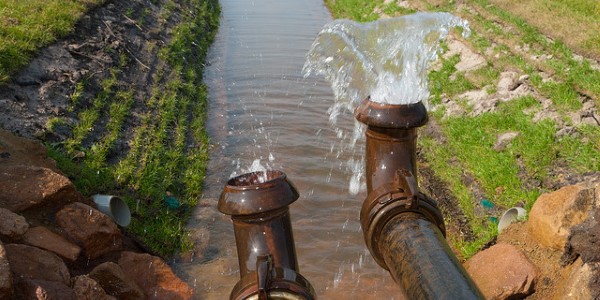
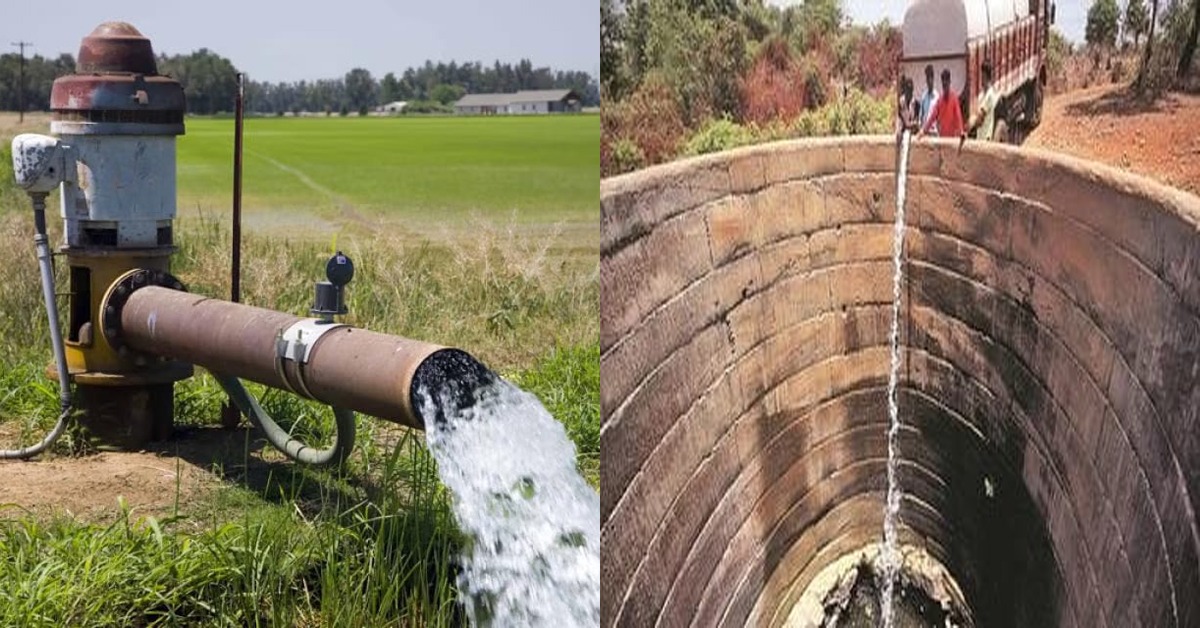
New Delhi: Groundwater comprises nearly 99% of Earth’s liquid freshwater and offers substantial social, economic, and environmental benefits, including climate resilience. In India, the groundwater serves as the primary foundation of agricultural activity and drinking water supply, meeting nearly 62% of irrigation needs, 85% of rural consumption, and 50% of urban demand. Rapid population growth, agrarian intensification, industrial expansion, and urbanisation have collectively intensified pressure on groundwater systems in the country. In this context, the adoption of scientifically informed and sustainable groundwater management practices has become imperative. While water governance lies within the purview of State Governments, the Central Government, notably through the Ministry of Jal Shakti and associated ministries, plays a facilitative role by extending coordinated technical and financial support through various schemes and programmes, designed to reinforce conservation, regulation, and enduring groundwater management across the nation.
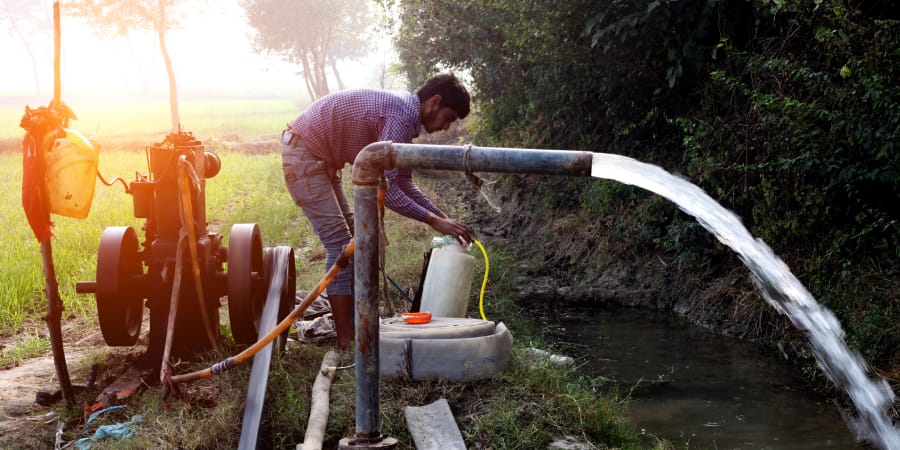
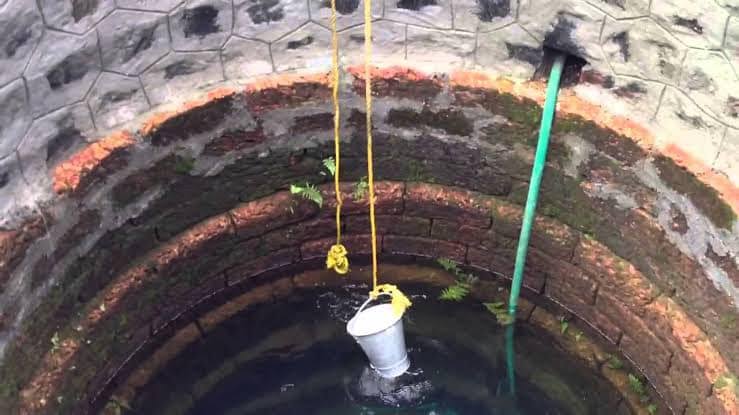
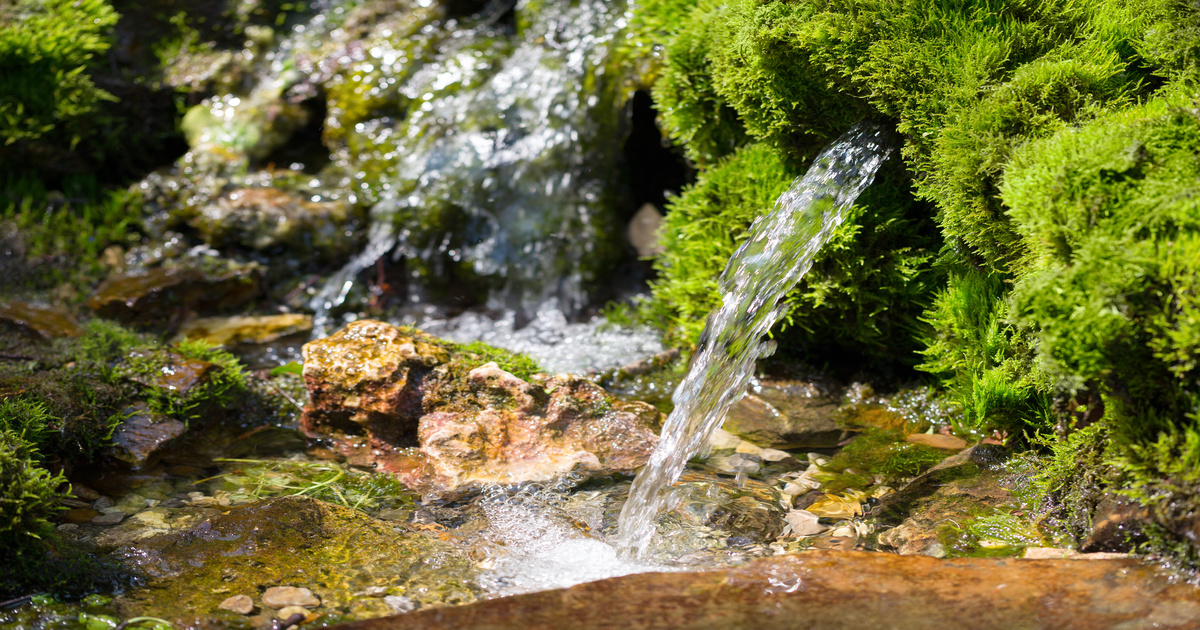
Groundwater is a freshwater that seeps into soil and rocks, where it is stored underground before naturally emerging or being drawn for human use. It maintains water levels in many rivers and streams, and it strongly influences the habitats of wetlands for plants and animals. The underground layer that can store and transmit ground water in sufficient quantities is called as Aquifer. The water from aquifers can flow out naturally, contributing to springs, streams and rivers or it may be pumped through dug wells, tube well and borewells.
Elements and Priorities
Groundwater management is a part of integrated water resources management and protection. The core foundations in groundwater management are the functions and uses of groundwater (aquifers), the problems and pressures (threats) acting upon them, and the impact of management measures on the overall functioning of the sustainability of the groundwater system. As per the United Nations Educational, Scientific and Cultural Organization (UNESCO), effective groundwater management needs 4 key priorities to ensure sustainable and balanced use of groundwater resources.
Necessity for Groundwater Management
India possesses extensive groundwater reserves whose physical characteristics and availability vary widely across regions, yet in recent decades these resources have faced growing stress from excessive extraction, declining quality, and limited regulation, raising serious concerns about long-term sustainability.
Groundwater is central to India’s water security, sustaining agriculture, drinking water supply, ecosystems, and agricultural activity, yet increasing pressures from overextraction, quality degradation, and climate variability have made sustainable groundwater management imperative. In response, India has embraced a comprehensive and multi-layered approach combining policy reform, scientific assessment, infrastructure creation, and community participation, led by the Ministry of Jal Shakti. Key initiatives such as the Model Bill on Groundwater, Jal Shakti Abhiyan: Catch the Rain, Jal Sanchay Jan Bhagidari, NAQUIM 2.0, the Master Plan for Artificial Recharge to Groundwater 2020, Atal Bhujal Yojana, and Mission Amrit Sarovar jointly reinforce recharge, monitoring, regulation, and demand side management.
Supported by an extensive network of groundwater monitoring stations, advanced data systems, and local knowledge centres, these efforts mark a transition towards scientifically informed, participatory, and outcome-oriented groundwater governance, establishing a durable framework for long term sustainability, climate resilience, and the achievement of national development goals.