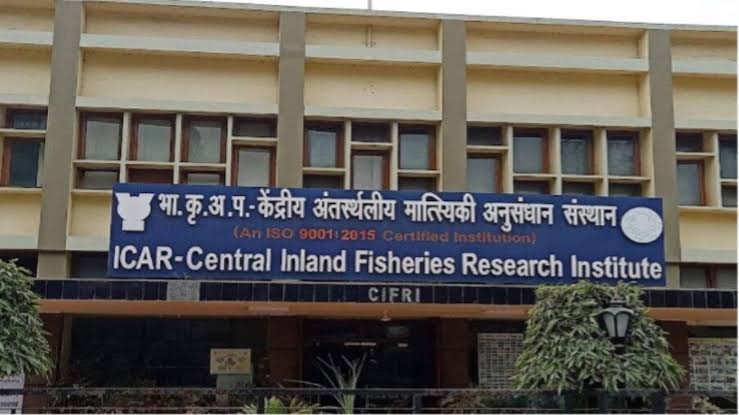
Kolkata: A decade-long scientific assessment by the ICAR–Central Inland Fisheries Research Institute (ICAR–CIFRI), Barrackpore, conducted under the Government of India’s Namami Gange Programme, has revealed that while the River Ganga continues to support rich fish diversity, many species remain vulnerable and in need of sustained conservation efforts. Carried out between 2016 and 2025, the comprehensive study documented 230 fish species across the Ganga basin. Of these, 221 are native and nine are non-native (exotic), highlighting the ecological significance of the river system. However, around 10 per cent of the recorded species fall under threatened categories of the IUCN Red List, underscoring growing conservation concerns.
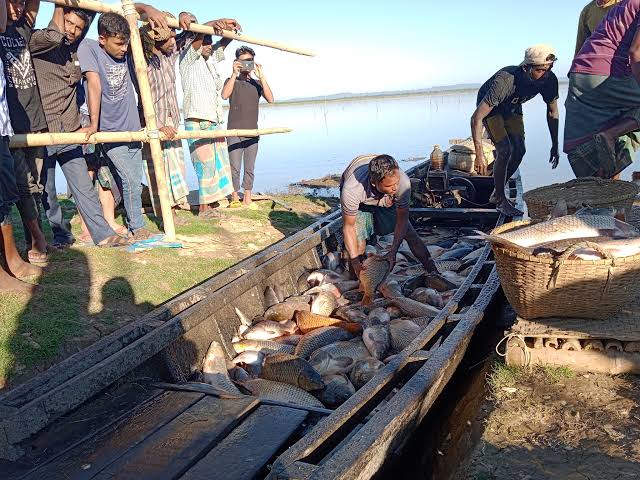
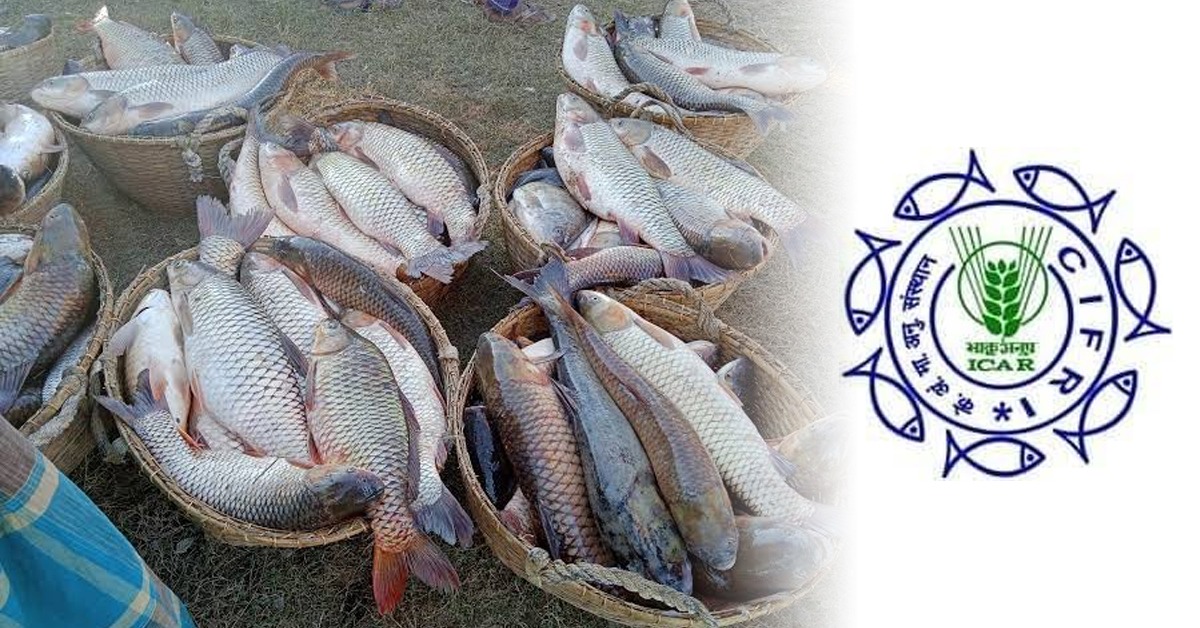
The study identified Cyprinidae as the most dominant and commercially important fish family in the freshwater stretches of the Ganga. This group, which includes Indian major carps and minnows, forms the backbone of inland fisheries and supports the livelihoods of thousands of river-dependent communities.
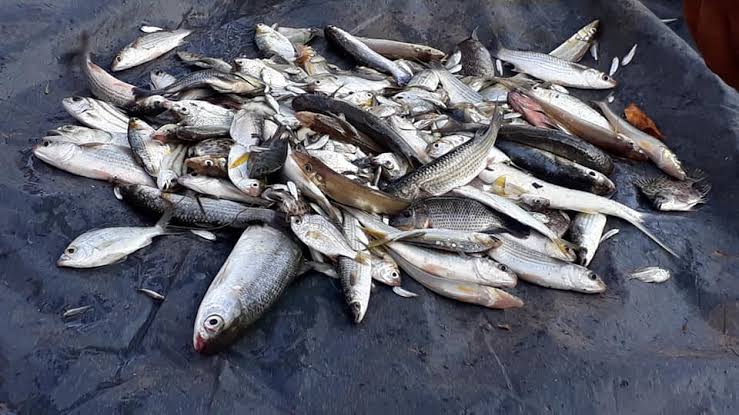
Historical scientific records spanning more than two centuries illustrate the ecological changes in the Ganga. The first major survey in 1822 reported 271 fish species, reflecting a highly diverse ecosystem. Rapid industrialisation, untreated sewage discharge, habitat degradation, declining water quality and intensive fishing gradually eroded this diversity. By 1974, the number of recorded species had declined to 207, falling further to 172 by 1991. The situation worsened in the late 1990s, when fish diversity reached its lowest point, with just 110 species recorded in 1998.
Bharat Electricity Summit 2026 Charts Power Sector Roadmap for Viksit Bharat 2047
Against this backdrop, the latest count of 230 species marks the strongest recovery in more than 50 years. Scientists attribute this improvement to sustained river rejuvenation initiatives, improved fisheries management practices and habitat restoration under programmes such as Namami Gange.
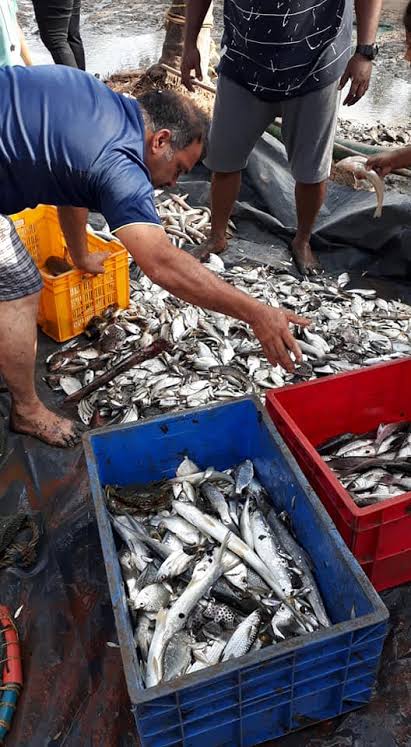
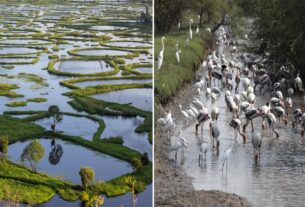
The assessment covered 33 tributaries and six floodplain wetlands across the Ganga basin. Uttar Pradesh emerged as the most diverse stretch, with Bijnor recording 109 species and Narora 93. In West Bengal, Farakka stood out as a key refuge with 85 species. Other locations, including Berhampore, Frazerganj, Balagarh and Tribeni, showed moderate recovery, while lower estuarine stretches such as Diamond Harbour and Gadkhali continued to report lower diversity.
Officials noted that stock enhancement and river ranching programmes played a crucial role in rebuilding fish populations. ICAR–CIFRI conducted 167 ranching operations, releasing over 2.03 crore fingerlings of Indian major carps—Rohu, Catla and Mrigal—along with Mahseer. As a result, landings of Indian major carps increased by 24.7 percent at Prayagraj and 41 percent at Varanasi compared to 1959 levels.
Improvements in water quality have also supported recovery. Dissolved oxygen levels are now higher than in the 1980s, while harmful metals and pesticides remain well below permissible limits. “This recovery reflects the cumulative impact of multiple rejuvenation initiatives, including Namami Gange,” said ICAR–CIFRI Director Dr Basanta Kumar Das, adding that the findings provide a strong scientific basis for policy making, conservation planning and sustainable fisheries management in the Ganga basin.