

Writer, Social Worker
For fifteen years, his life followed the architecture of modern corporate success. Glass buildings, calibrated calendars, quarterly reviews, leadership offsites, and growth charts defined both his time and his identity. He worked in senior human resources roles across some of the world’s most recognisable global corporations—institutions that prized scale, speed, and efficiency above all else. The work demanded precision, structure, and constant momentum. Decisions were made in meeting rooms far removed from their eventual impact. Success was measured in metrics, headcount, and shareholder value.
From the outside, it looked like a life well constructed for Suhas Ramegowda. There was stability, financial comfort, and the quiet validation that comes from being associated with respected names. Yet beneath the surface, a dissonance had begun to grow. It was not dissatisfaction in the conventional sense, nor burnout, nor conflict. It was something subtler—a slow distancing from the meaning of the work itself. The outcomes felt abstract. The days began to blur. Life, though comfortable, started to feel compressed into targets and timelines.The questions did not arrive dramatically. They accumulated quietly. Over time, they grew heavier.
Becoming a parent intensified everything. The birth of his son did not immediately change his career, but it fundamentally altered the lens through which he viewed it. Suddenly, the future was no longer theoretical; it was personal. He began thinking not only about providing security, but about the kind of world his child would inherit, and the values that would shape him long before he could articulate them.
He began to notice how deeply society conditions its definition of a “good life.” Certain schools. Certain degrees. Certain jobs. Marriage, a home, a car, children—achieved in the right order, at the right pace—were presented as inevitabilities rather than choices. He started asking who had written this script, and why deviation from it felt like failure.These questions did not push him out of corporate life overnight. Instead, they slowly loosened its grip.
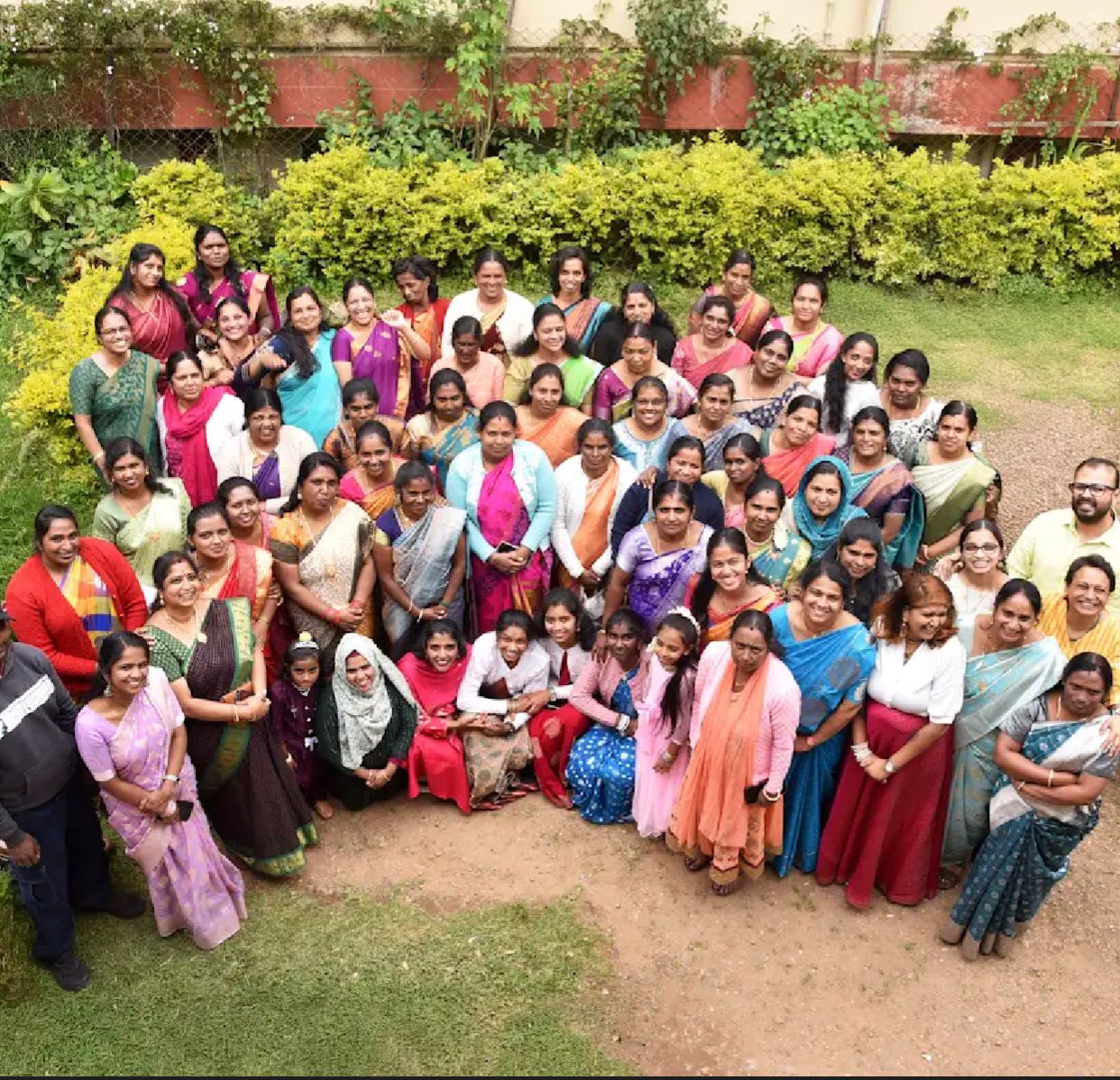
Long before any resignation letter was written, another idea had already taken root—one that had nothing to do with toys or consumer brands. The original intent was social, not commercial: to create dignified livelihoods for women from rural and indigenous communities in the Nilgiris mountains. The goal was not charity, but agency.
New Species of Blind Caecilian Discovered in Maharashtra’s Western Ghats
Yet sustainability demanded something more rigorous. Any initiative meant to endure had to be anchored in a product people genuinely wanted. In the early years, the founders invested close to ₹35 lakh from their personal savings, choosing to bootstrap rather than dilute intent.
One early experiment—a thoughtfully curated hamper featuring a handmade quilt and a cloth rag doll—failed commercially. But the doll lingered. People held it longer, asked questions, and returned to it. Someone casually called it an “Indian Barbie.” The phrase stayed—not as aspiration, but as a provocation.
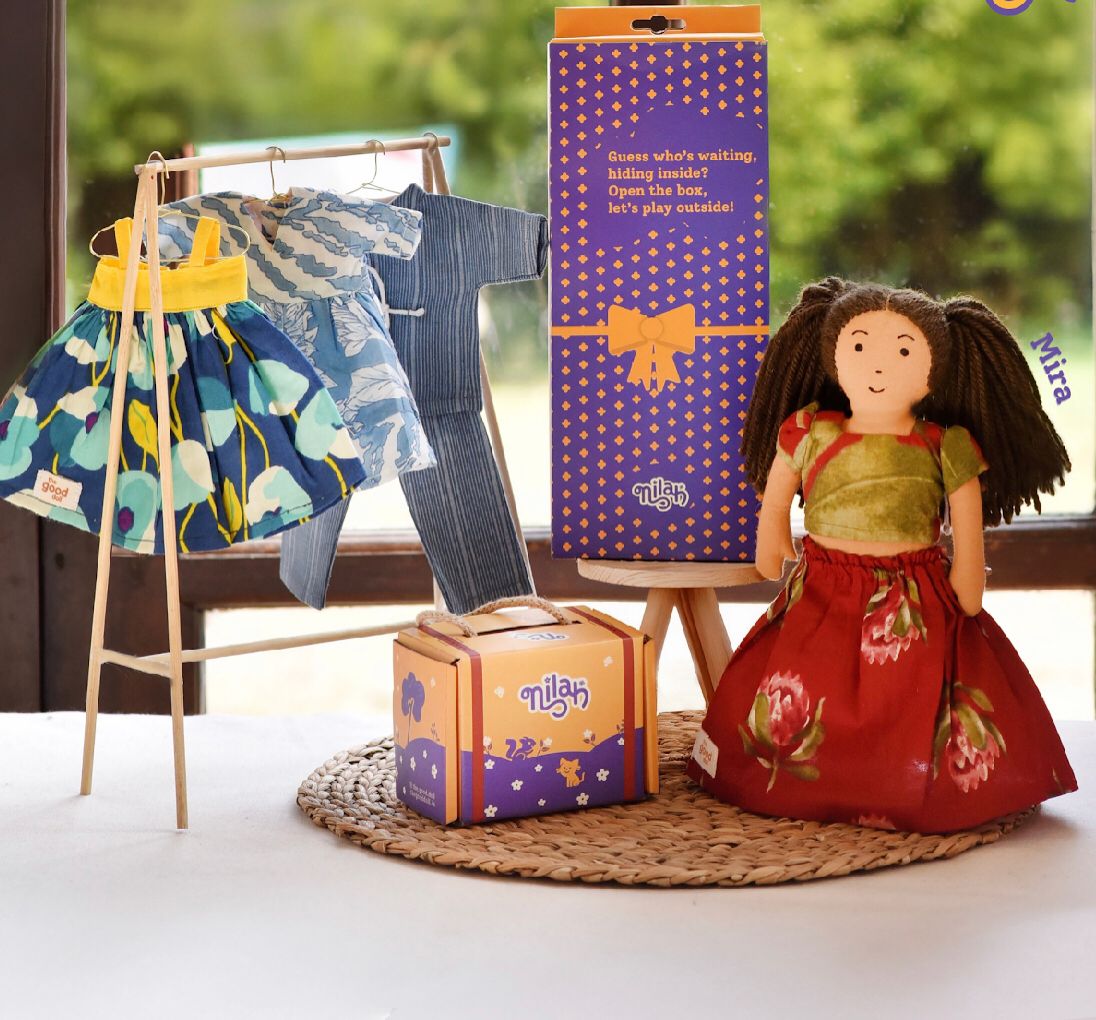
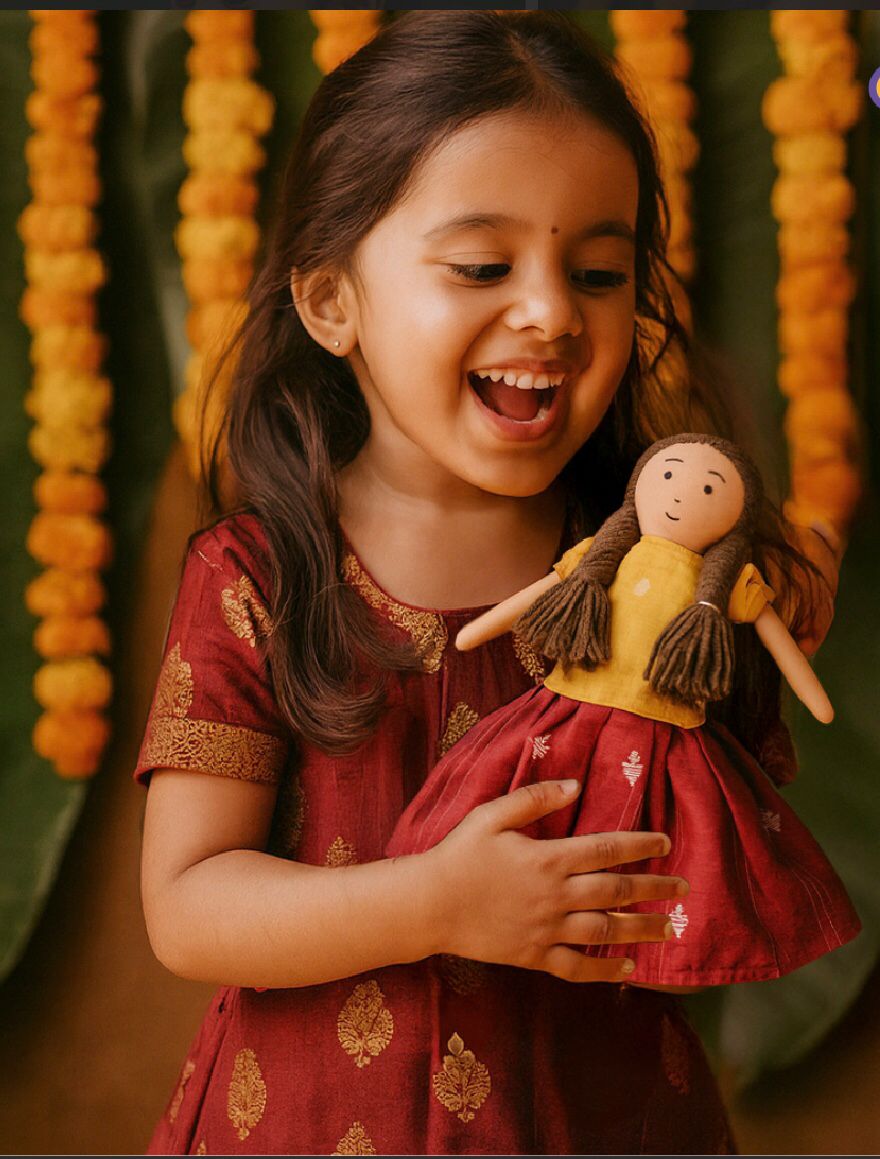
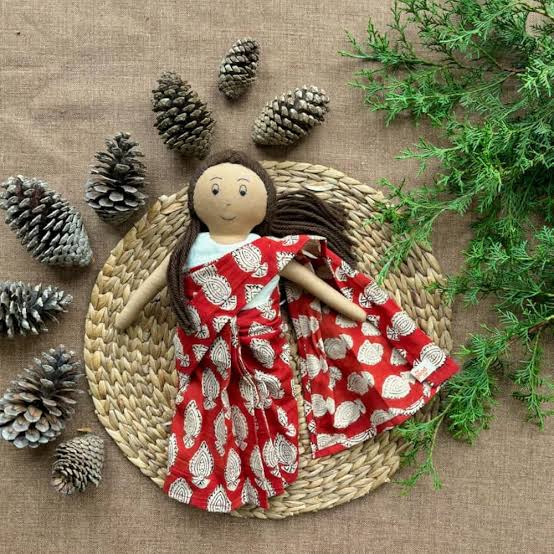
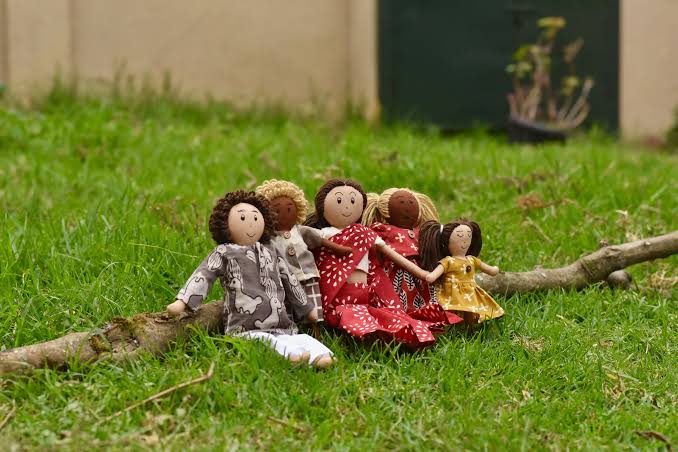
What emerged instead was the idea of a character doll—a soft, expressive companion designed not to prescribe beauty or ambition, but to invite imagination. Unlike plastic fashion dolls, these were meant to be hugged, lived with, and emotionally inhabited.
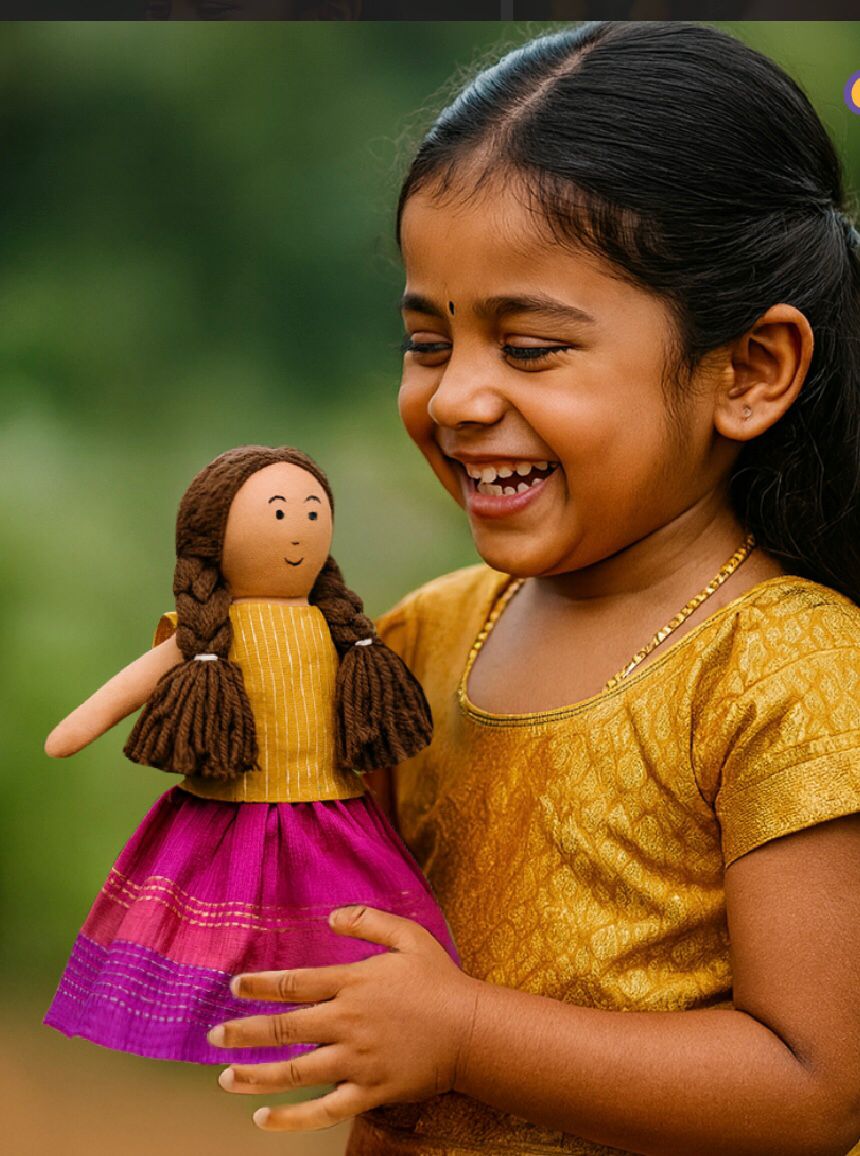
Pop-ups replaced pitch decks. Conversations replaced assumptions. Parents spoke of discomfort with plastic toys and relief at finding something gentler. Children responded without analysis. They hugged the dolls, carried them everywhere, and treated them as companions rather than objects.
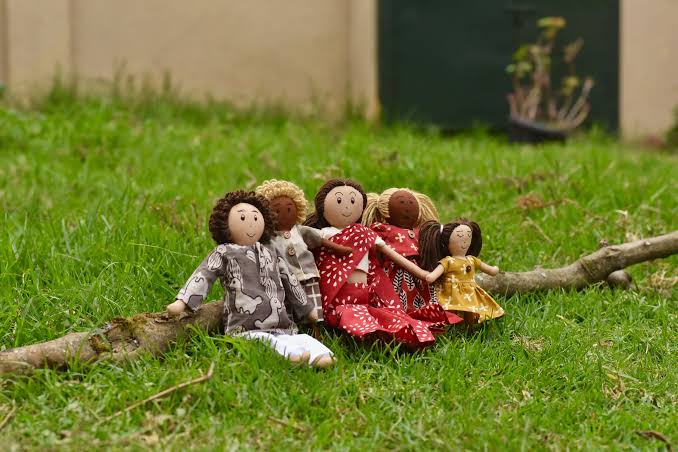
Without heavy advertising, more than fifty thousand dolls found homes. Over time, The Good Doll evolved into a family of nine character dolls, offered in two sizes—larger ones priced at around ₹1,250 and smaller companions at ₹650—amounts parents described as reasonable for a product designed to last years rather than months.
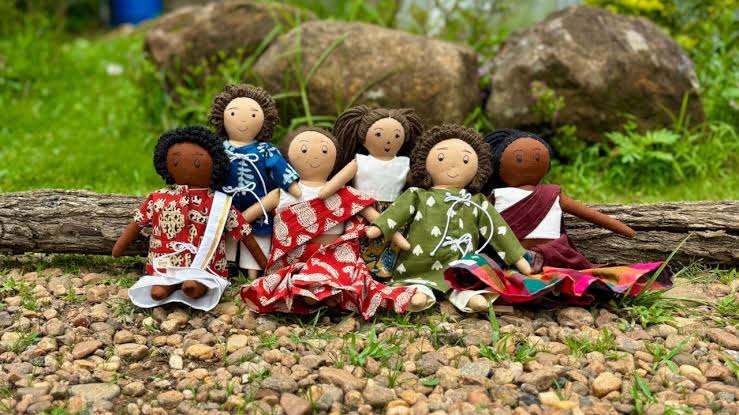
Plastic toys dominate because they are cheap, scalable, and visually loud. But they also carry hidden costs. Synthetic materials and paints can contain harmful substances, and children interact with toys using their entire bodies. Safety could not be optional.
The Good Doll’s character dolls are made using cotton fabrics, filled with recycled PET fibre, and coloured with non-toxic dyes. Each product undergoes rigorous testing and holds BIS and ISI certifications—not as labels, but as assurances.
Yet the founders realised wellbeing went beyond chemistry. Cloth dolls soften with time. They absorb scent, fade, and carry marks of repair. Children learn care, continuity, and attachment. Parents often speak of children refusing replacements, choosing instead to mend a beloved doll—a quiet rejection of disposability.
Production remains rooted in the Nilgiris, where women artisans create each doll under fair, dignified working conditions. Growth has been careful and deliberate, balancing scale with integrity.
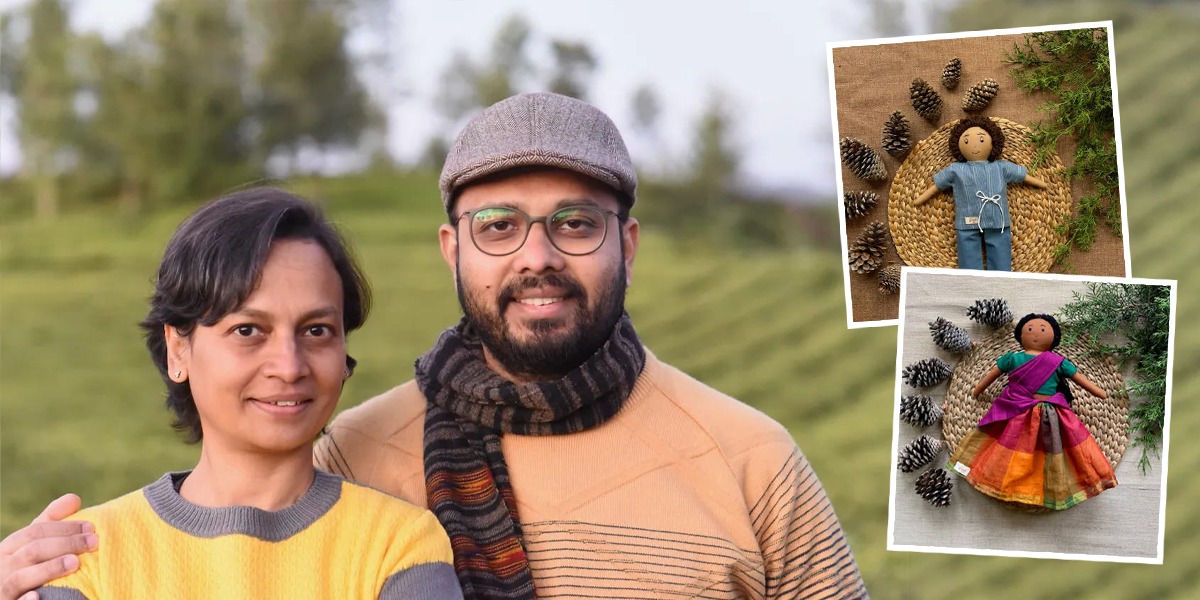
From the beginning, The Good Doll has been built as a partnership between Suhas Ramegowda and his wife, Sunita Suhas, Co-founder and CEO. While Sunita steers long-term vision and growth, Suhas anchors execution and operations.
“Building this together means sharing both the load and the belief,” says Sunita. “While I plan our growth, Suhas ensures we stay grounded in execution.”
That discipline is now reflected in scale. The Good Doll is on track to close the current financial year at approximately ₹3 crore in revenue, retailing through more than ninety-five stores across over thirty cities, with growing international demand and expansion planned into eastern India.
Leaving corporate life, for Suhas, was not an escape but a realignment. “The uncertainty remains,” he says, “but the alignment between belief and action makes it worthwhile.”
In a world driven by speed, volume, and synthetic certainty, choosing softness can feel countercultural. Yet softness here is not weakness—it is intention. It is care. It is the choice to value warmth over gloss, longevity over novelty, and connection over consumption.
And perhaps that is where change truly begins—not in grand gestures, but in the quiet character dolls children hold close.