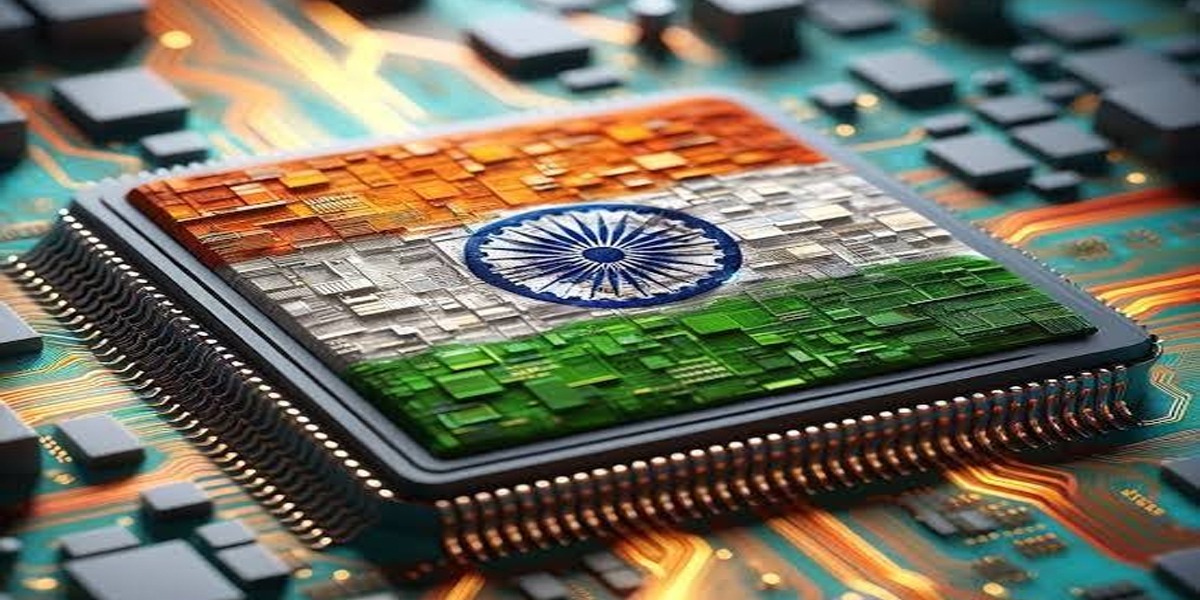
New Delhi: India is rapidly advancing its semiconductor ambitions, recognizing semiconductor chips as critical enablers of healthcare, transport, communications, defence, space, and emerging digital infrastructure. With accelerating digitalization and automation, global demand for semiconductor chips is rising sharply. In response, the Government of India, through the Semicon India Programme and the India Semiconductor Mission (ISM), is strengthening the domestic semiconductor ecosystem and supply chain. However, semiconductor manufacturing remains concentrated in a limited number of geographies, making global supply chains highly fragile and vulnerable to disruptions. This underscores the urgent need to diversify the global manufacturing base, with India increasingly emerging as a strategic and reliable player in the global semiconductor landscape.
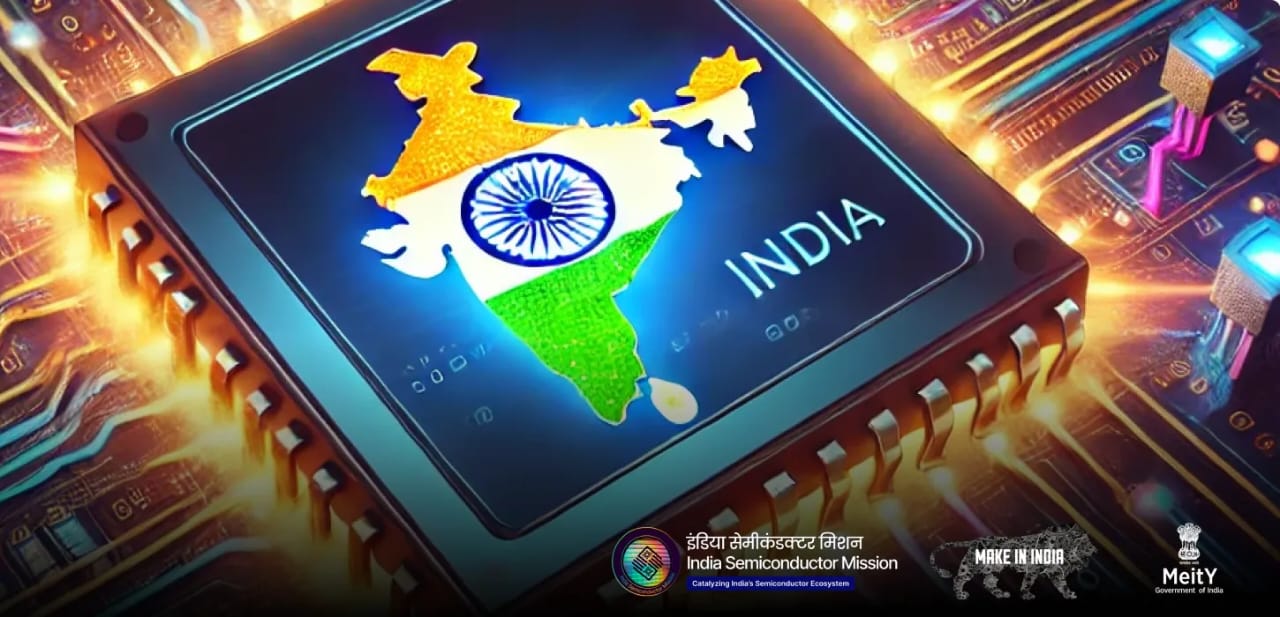
The Design Linked Incentive (DLI) Scheme is a key instrument in advancing India’s ambition to develop a strong fabless capability. The scheme is implemented by the Ministry of Electronics and Information Technology (MeitY) under the Semicon India Programme to catalyze a strong, self-reliant chip design ecosystem by providing financial incentives and access to advanced design infrastructure for domestic startups and MSMEs.
The DLI Scheme supports semiconductor design across the full lifecycle—from design and development to deployment—covering Integrated Circuits (ICs), chipsets, Systems-on-Chip (SoCs), systems and IP cores. By promoting indigenous semiconductor content and intellectual property in electronic products, the scheme aims to reduce import dependence, strengthen supply chain resilience, and enhance domestic value addition.
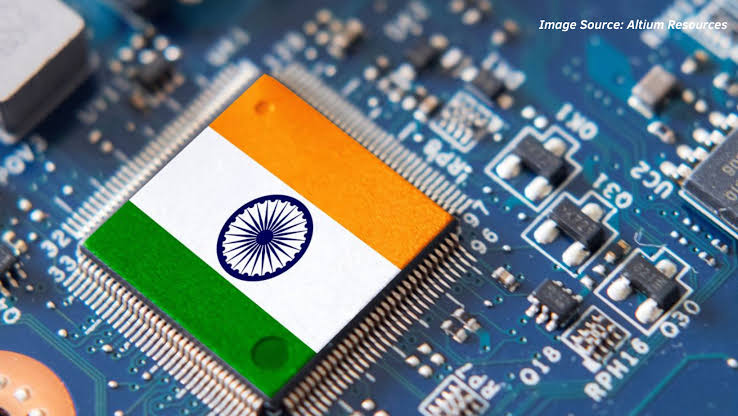
Since its launch in December 2021, the Design Linked Incentive (DLI) Scheme has been instrumental in shaping a stronger and more self-reliant semiconductor design ecosystem in India. By extending financial incentives, access to advanced design tools, and prototyping support to companies, startups, and academic institutions, the scheme enables innovators to progress seamlessly from ideas to actual silicon chips. This ecosystem-driven approach has been anchored by the creation of shared national infrastructure for chip design.
Growth, Stability, Confidence: The Tripod Stand of Indian Economy
India’s semiconductor ecosystem is being strengthened through a coordinated institutional framework that combines policy leadership, investment support, capacity building, and indigenous technology development. Key programmes and agencies provide end-to-end backing—from incentivizing chip design and manufacturing to developing skilled talent and fostering open-source microprocessor architectures, India’s progression toward a self-reliant and globally competitive semiconductor design ecosystem.
The Design Linked Incentive (DLI) Scheme is critical to anchoring India in the most strategic and value-intensive segment of the global semiconductor value chain—chip design. By reducing dependence on imported semiconductor IPs and chips, strengthening resilience against geopolitical and supply-chain disruptions, and ensuring assured access to critical technologies for defence, telecom, AI and mobility, DLI lays the foundation for strategic autonomy and long-term economic growth. The scheme also enables high-value growth by translating deep-tech innovation into globally competitive products, fostering startups and MSMEs, and building a highly skilled engineering workforce.