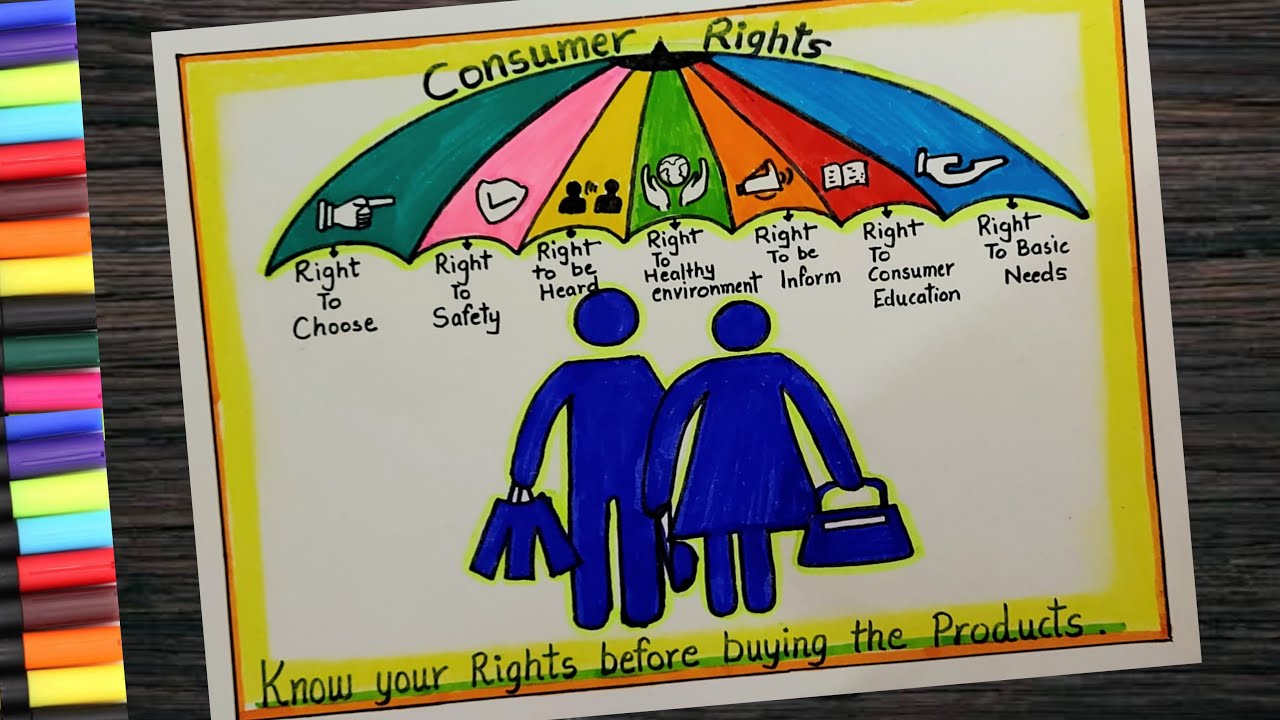
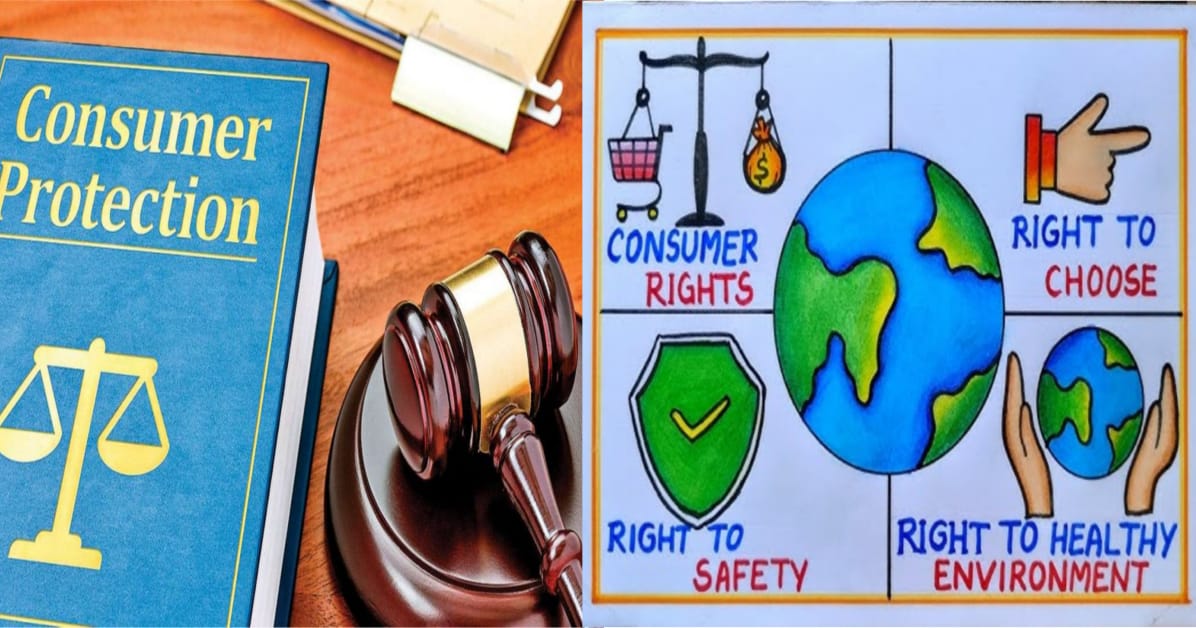
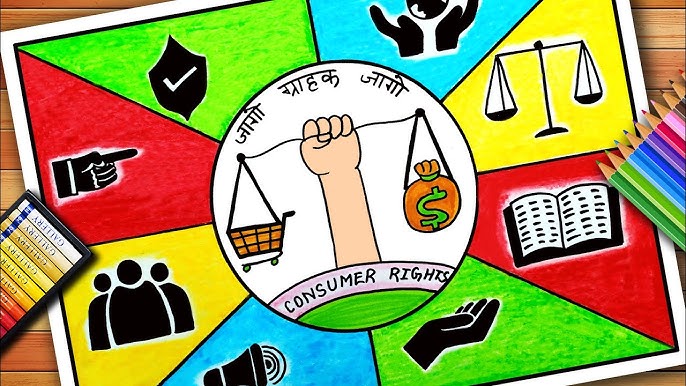
New Delhi: National Consumer Day is observed in India on 24 December each year to highlight the significance of consumer rights and the broader framework of consumer protection. It was on this day that the Consumer Protection Act, 1986, received the President’s assent, establishing a comprehensive set of rights for consumers. These include the right to be protected, the right to be informed, the right to be assured, the right to be heard, the right to seek redressal, and the right to consumer awareness. The observance aims to raise awareness and promote responsible practices among consumers and other stakeholders. In 2025, National Consumer Day is guided by the theme “Efficient and Speedy Disposal through Digital Justice,” reflecting India’s continued focus on technology- enabled, accessible, and timely consumer grievance redressal.
The Consumer Protection Act, 2019, represents a significant reform in the safeguarding of consumer interests in India. Enacted on 20 July 2020, it supersedes the Consumer Protection Act of 1986 and introduces a more contemporary framework for dispute resolution and marketplace accountability. The Act seeks to safeguard consumer welfare and promote fairness in commercial transactions by facilitating informed decision- making, ensuring uniform and equitable outcomes, and enabling prompt and effective grievance redressal. The law guarantees several key rights, including the right to be informed about the quality, quantity, potency, purity, and standards of goods or services, thereby safe guarding consumers against unfair trade practices. To operationalise its objectives, the Act establishes a three- tier adjudicatory structure for consumer dispute resolution.
District Consumer Disputes Redressal Forum (District Forum): the first tier, located at the district court, adjudicates complaints involving claims up to Rs. 50 lakhs.
State Consumer Disputes Redressal Commission (State Commission): the second tier, state- level body deals with complaints exceeding Rs. 50 lakhs and up to Rs. 2 crore.
National Consumer Disputes Redressal Commission (National Commission): the apex tier, operating at the national level, addresses complaints involving complaints above Rs. 2 crore.
The District Forum and State Commission are constituted by individual State Governments with the approval of the Central Government, whereas the National Commission is established directly by the Central Government. These adjudicatory bodies do not supersede the jurisdiction of civil courts, instead, they provide an alternative mechanism for resolving consumer grievances. e-Jagriti, launched on 1 January 2025, has rapidly emerged as a significant digital platform for consumer grievance redressal in India. It integrates earlier systems, including OCMS, e-Daakhil, NCDRC CMS, and CONFONET, into a single, streamlined interface, thereby enhancing accessibility and simplifying procedures. Now operational across the NCDRC and all States and Union Territories, the platform enables users to file complaints, make payments, participate in virtual hearings, and monitor case progress. Its multilingual support, chatbot assistance, voice-to-text features, and secure digital access ensure usability for all consumers, including senior citizens and persons with disabilities.