

New Delhi: Nuclear energy is the use of controlled atomic reactions to produce power. At its core, it relies on splitting atoms in a process called fission, which releases large amounts of heat. This heat is then used to generate electricity without producing greenhouse gases. Globally, nuclear energy is valued as a clean, dependable source that complements renewable options like solar and wind.
At a time when India is reimagining the future of its energy landscape, a new legislative step has emerged to guide the country toward a more advanced and resilient nuclear ecosystem. The Sustainable Harnessing and Advancement of Nuclear Energy for Transforming India (SHANTI) Bill, 2025, reflects the government’s effort to modernize the laws governing the nuclear sector. It brings together various elements of nuclear development under a single, comprehensive structure, aiming to create a more streamlined and future-ready system. The Bill focuses on a forward-looking approach and its role in shaping India’s long-term energy pathway. As a significant piece of legislation, it marks an important moment in the country’s broader journey toward building a secure and sustainable energy future.
India’s Traditional Medicine: Quality, Access and Global Confidence
Evolution of India’s Nuclear Laws:
India’s nuclear power journey has been guided by a series of landmark legislations that ensured the peaceful use of atomic energy while safeguarding national interests. Each step reflected the country’s growing confidence and maturity in managing nuclear technology responsibly.
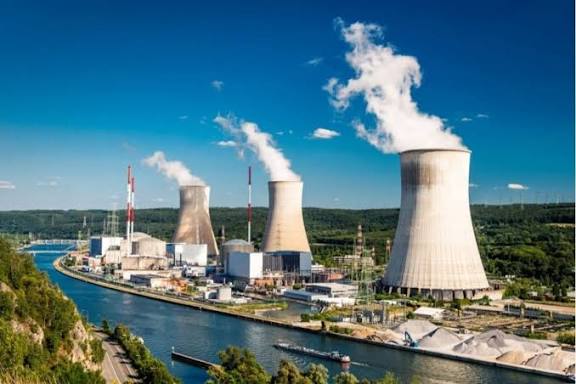
The Atomic Energy Act, 1962, replaced the earlier 1948 law and laid down the foundation for India’s nuclear programme. It empowered the government to regulate atomic energy for peaceful purposes, ensuring strict control over research, development, and use of nuclear materials.
Amendments in 1986, 1987 and 2015 in the Atomic Energy Act of 1962 gradually opened the sector beyond the Central Government, allowing government companies and joint ventures to participate in nuclear power generation. The amendments reflected India’s intent to expand capacity while keeping strategic oversight intact.
The Civil Liability for Nuclear Damage Act, 2010, introduced a no-fault liability regime, ensuring compensation in case of nuclear incidents. This law provided clarity on responsibility and built public trust by prioritizing safety and accountability in nuclear operations.
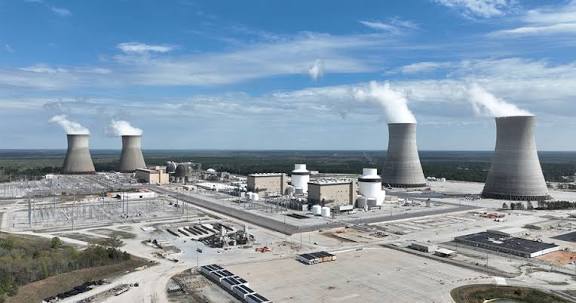
Rationale Behind The Bill:
At this stage of India’s energy transition, the country is revisiting the foundations of its nuclear framework to match present-day needs and future ambitions. Over the decades, India’s nuclear programme has matured, its technological capabilities have strengthened and its clean‑energy goals have expanded. These developments have created the need for a modern, comprehensive legislation that reflects today’s realities and tomorrow’s requirements.