New Delhi: Traditional medicine is one of the world’s oldest holistic healing processes. According to WHO, traditional, complementary and integrative medicine is used in 170 of its 194 Member States. While countries like India, China and Japan have long established systems of traditional medicines, they are also widespread in Africa and the Americas with many countries recognizing and integrating them into their health systems.
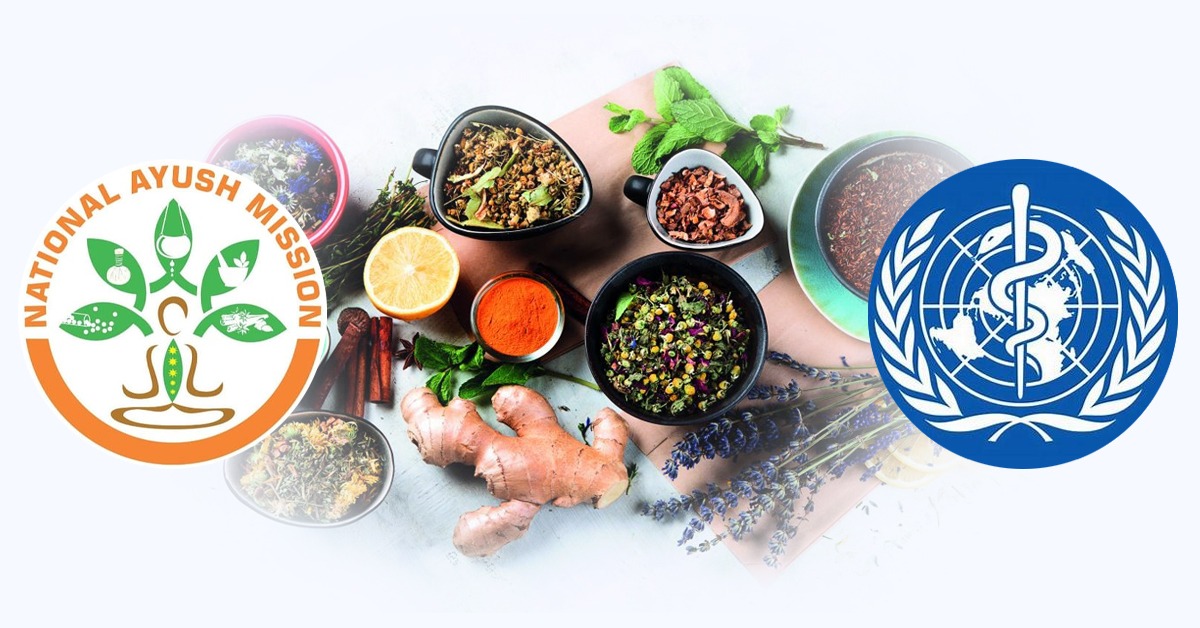
The World Health Organisation (WHO) acknowledges traditional, complementary and integrative medicine as a significant source of primary health care, valued for its cultural relevance, accessibility and personalised nature. With rising interest in scientifically validated traditional practices, the WHO and regional health bodies increasingly view these systems as contributors to health equity, particularly in contexts where affordability and cultural familiarity shape healthcare choices. The World Health Organization (WHO) organized Traditional Medicine Global Summits to promote the evidence-based integration of Traditional, Complementary, and Integrative Medicine (TCIM) into global health systems. These summits convene leaders, scientists, practitioners, and communities to build political commitment and share best practices on TCIM research, safety, quality control, and biodiversity conservation.

The objectives are:
1) Strengthen the evidence base through research, innovation, and culturally appropriate studies.
2) Support provision of safe, quality TCIM via robust regulatory mechanisms, standards, training, and ethical practices for practitioners and products.
3) Integrate TCIM into national health systems, particularly primary care, using standardized documentation and models for people-centered care.
4) Promote cross-sector partnerships, protect traditional knowledge, ensure biodiversity conservation, and respect Indigenous rights through coordinated efforts.
5) India’s longstanding expertise and institutional capacity in traditional medicine place it at the forefront of these global discussions. The first summit was held in Gujarat in 2023 in which methodologies for global research agendas were explored. WHO has also come out with its Traditional Medicine Strategy 2025-2034. The second summit has been held in New Delhi from December 17-19, 2025. These Summits are effective to offer a platform for India to present its evidence-oriented, system-wide approach to traditional medicine and to advance global collaboration on science, quality and equitable access.

The Ministry of AYUSH anchors India’s traditional medicine sector through a comprehensive institutional framework. It regulates education, research, drug quality and service delivery across AYUSH services. Its policy design emphasises scientific standards, system strengthening and integration of AYUSH into national healthcare delivery.