


Writer, Social Worker
As winter sets in and daylight fades earlier across the city, a growing concern is emerging behind closed doors in many households — the increasing loneliness of senior citizens who are left to live by themselves. The impact of migration, shrinking joint families, and the after- effects of the COVID-19 pandemic have combined to create circumstances where elderly residents, once surrounded by extended family and social circles, now spend long hours without meaningful conversation or support. In response to this rising emotional and social vacuum, a new profession is taking shape in Kolkata: Empathetic Listening.
This profession involves trained individuals visiting elderly persons regularly to provide company, engage in conversations, offer an empathetic ear, and report back on their emotional well-being to distant family members. It has now moved from being a niche idea becoming a structured service with significant demand and commercial viability. Families grappling with geographical separation are increasingly viewing it as a necessary part of elder care.
Moving towards more sustainable energy future in India
One such example is that of Sitamoni Devi (name changed), a 72-year-old resident living alone in North Kolkata. She lost her husband during the peak of the COVID-19 second wave and has since struggled with the silence of an empty home. Her son, who works in Bengaluru, calls her daily, but busy schedules and brief phone conversations do not allow her to share deeper feelings of grief, anxiety, and fear that accompany living alone at her age. When he learned about companionship and listening services, he subscribed immediately. A trained empathetic listener now visits her twice a week, spending time with her in conversations that range from fond memories to concerns about health. “He calls me every day, but can a mother talk about everything in a ten-minute call?” She says quietly, acknowledging the relief that comes merely from having someone physically present to listen.
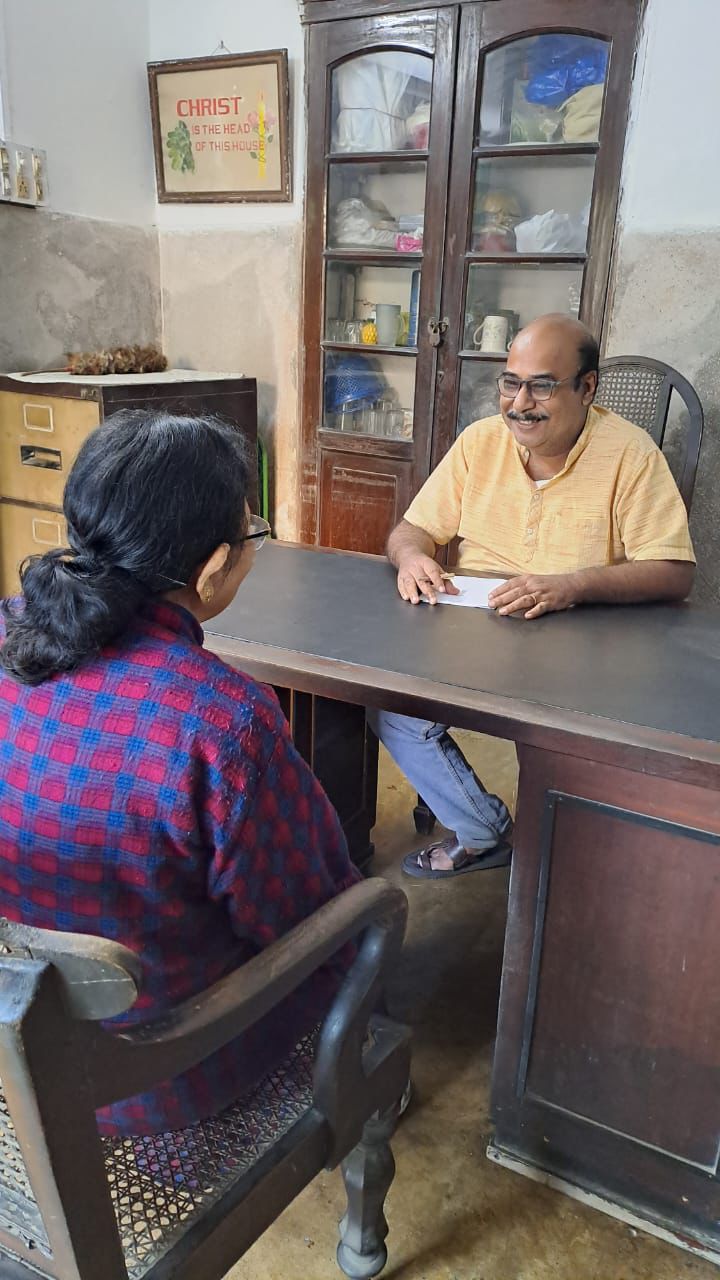
For empathetic listeners like Arnab Mandal, who left his corporate career seeking meaningful engagement with society, now runs his own organisation- World Life Consultancy, lending his shoulder to people who can’t share their emotions with distanced family members. “We are trained to listen without judging, interrupting, or giving unsolicited advice. The goal is to make them feel valued and heard,” he explains. His role includes observing signs of stress, loneliness, cognitive decline, or behavioural change and informing families if further professional help may be required. The work demands patience, strong communication skills, and emotional resilience.
The rise of such services is driven by demographic realities. Organisations working with the elderly estimate that nearly half of the senior citizens in Kolkata now live alone or in households without a full-time caregiver. Many of them have children working in other states or countries, leaving behind a widening gap between ageing parents and their support system. The pandemic only accelerated this transformation, exposing vulnerabilities that many families had not previously considered. Widowed individuals, especially women, have been the hardest hit, with limited mobility and reduced social interaction worsening isolation.
Private agencies and NGOs offering empathetic listening services confirm that demand has grown steadily in the past two years. The services typically operate on a subscription basis, with packages customised according to visit frequency and duration. Average pricing ranges from ₹300 to ₹2000 per session. Some families opt for daily check-ins, while others choose weekly or bi-weekly visits depending on need and affordability. For many children living away from Kolkata, subscribing to such a service has become a way of ensuring emotional support for parents in addition to routine housekeeping or healthcare assistance.
Service providers say that the work is far more than casual companionship. Listeners undergo verification, background checks, and training in empathy- building conversations and elder- care awareness. Companies collecting feedback from families maintain detailed logs of visits, ensuring transparency. The ethical framework stresses confidentiality, clear boundaries and respect for the dignity of elderly clients. While the profession is rooted in soft skills, it also holds responsibilities that require continuing guidance and psychological orientation. Agencies are now arranging regular counselling sessions for their workers to prevent emotional burnout, as prolonged exposure to bereavement stories and loneliness can take a personal toll on the listeners themselves.
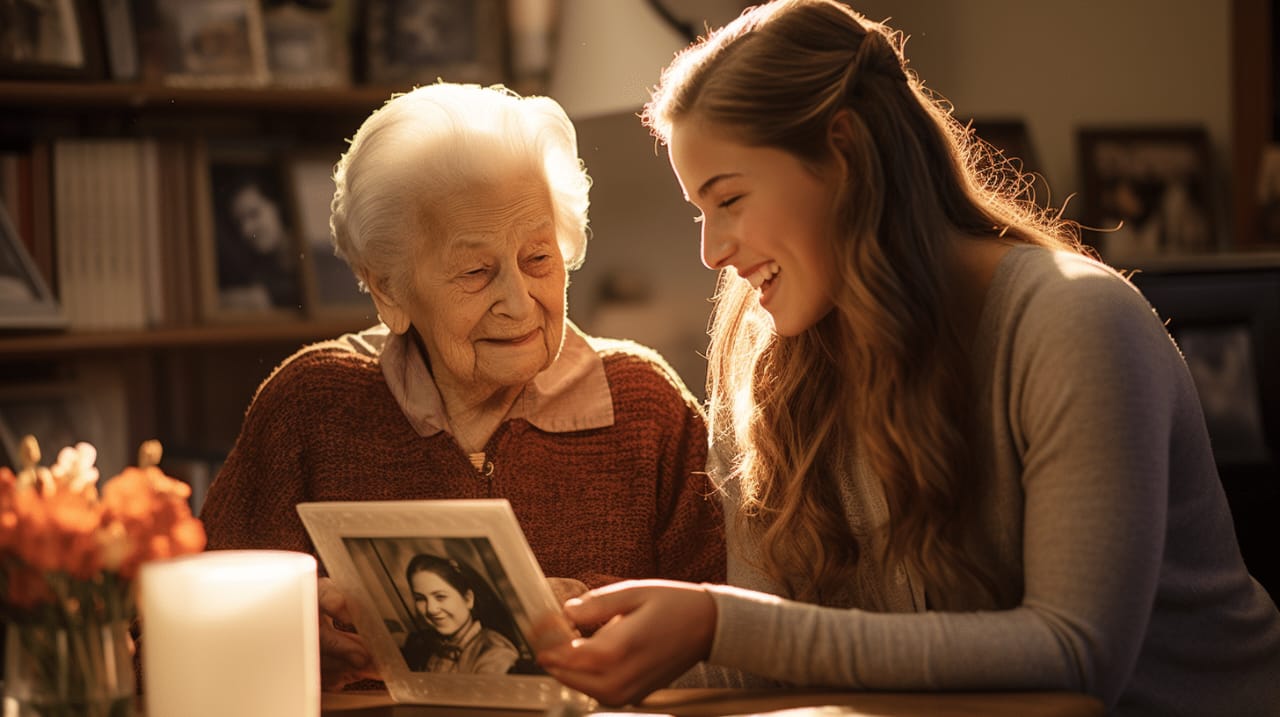
Mental-health specialists view this emerging sector as a positive development in urban elder-care practices. Psychologists say that regular human interaction can significantly reduce risks of depression, anxiety and memory-related disorders in ageing populations. A leading geriatric psychologist in the city states that loneliness is now recognised as a severe health concern, linked to poor immunity, heart conditions and cognitive decline. Preventive care in the form of companionship is therefore being taken more seriously by families and welfare organisations. Although empathetic listening cannot replace clinical therapy or medical supervision, it can bridge the emotional gap that medical systems alone can not fill.
However, challenges remain. The absence of formal regulatory frameworks raises concerns about quality and accountability. There is currently no government- mandated certification for empathetic listeners, and the industry lacks standardised pricing and defined operational guidelines. Advocates for elderly welfare suggest that regulatory oversight will be necessary as the sector expands, to prevent potential exploitation or mishandling of vulnerable individuals. They also point out that while such services are accessible to middle- class and upper middle- class families, more affordable community- based models are required to reach economically weaker sections who face equal, and often greater, levels of isolation.

Despite these concerns, industry analysts expect empathetic listening to grow significantly in the coming years, especially in metropolitan regions like Kolkata that have a larger ageing population than many other Indian cities. With India projected to have nearly 200 million senior citizens by 2031, the shift toward professional emotional support is likely to become integral to elder- care planning. As families continue to break geographical boundaries and younger generations build careers away from home, the emotional needs of parents left behind will require structured attention.
Back in her apartment, Sitamoni prepares tea for Arnab before he leaves for the evening. She says the sessions bring her a sense of peace and reduce the tension she often feels when alone. While the service does not erase her grief, it gives her strength to navigate daily life. For her son, unable to be physically present, it is a way to ensure that she does not feel forgotten. In a city known for its cultural warmth and community bonds, the rise of empathetic listening may be a reminder that human connection is still a basic necessity— one that now requires professional intervention in an increasingly disconnected urban world.